

Road to Africa · News & developments
AFRICA IN
MOTION.
The developments shaping cleaner movement of goods and people. Corridors, rail, charging, fleets and public transport — brought together from trusted publishers.
Latest selection · 6 November 2026
Malawi launches EV framework and net-metering pilot
Malawi launched its Electric Mobility Regulatory Framework and Net-Metering Rules on 4 November. UNDP says ESCOM is piloting the rules with 34 prosumers expected to export 3.9 MW to the grid. The measures connect EV and charging policy with distributed renewable generation. This is a regulatory launch and pilot, not evidence of a nationwide net-metering rollout.
FOTON reports new-energy agreements in three African markets
FOTON reports agreements covering 200 new-energy vehicles in Mozambique, 100 in Ethiopia and 100 in Kenya, signed at its 29 October Africa partner conference. Its announcement also describes finance, manufacturing and parts partnerships. These are agreements, not confirmed operating electric fleets; delivery dates and the powertrain breakdown are not specified. The separately announced 1,800 heavy-truck deliveries should not be counted as electric vehicles.
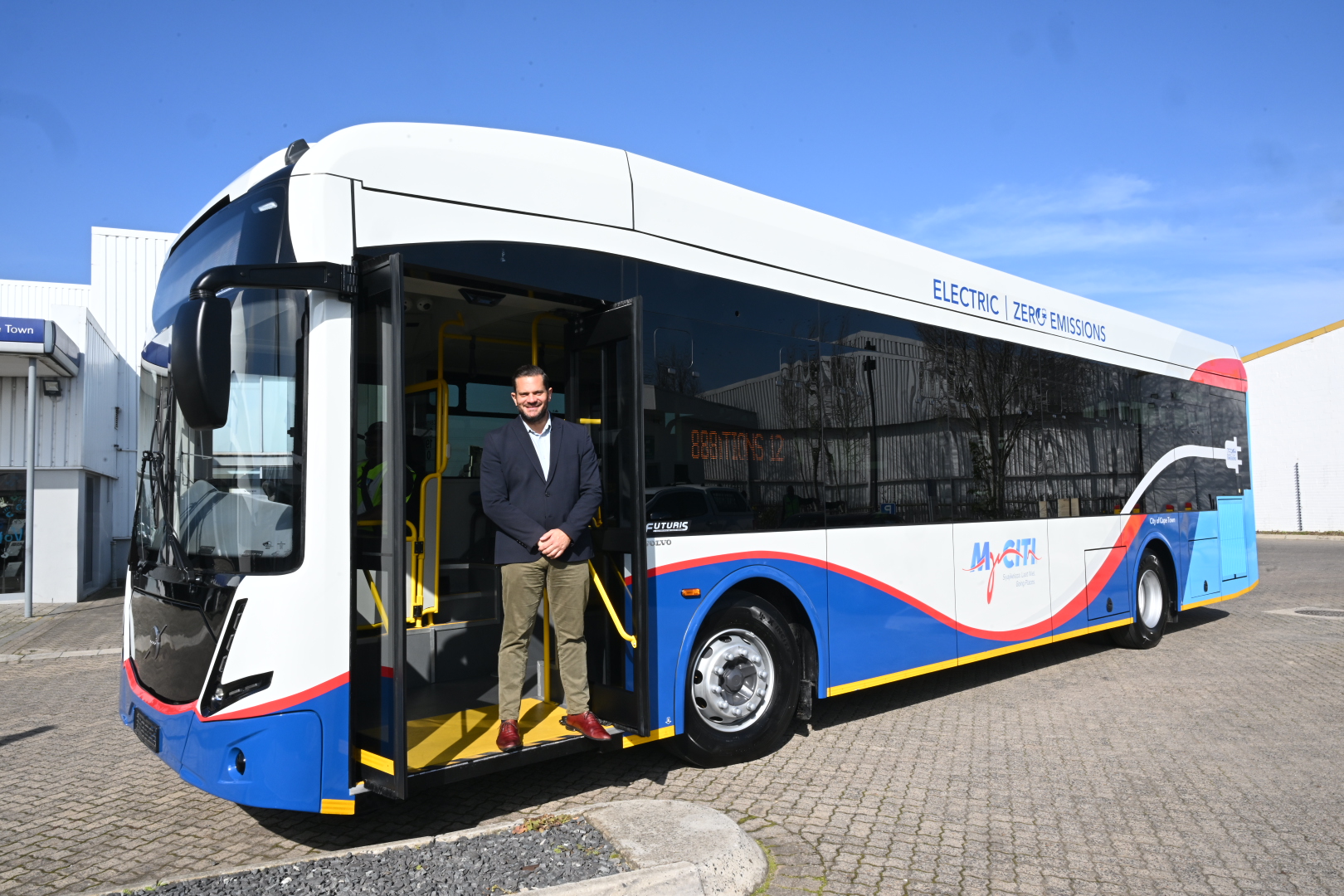
Cape Town receives seven more battery-electric buses
Seven newly delivered buses bring the city’s battery-electric fleet to eight, including its prototype. A further 13 were expected in November 2026, with 17 more planned for January–March 2027. Delivery is confirmed; passenger service for the new buses was not confirmed in the announcement.
Read original articleFirst 50 women begin e-mobility training in Rwanda
Spiro and Entrepreneurial Solutions Partners say the first 50 women began training in October 2026. The programme combines riding and road safety with business, financial and digital skills. Its 500-woman Rwanda pilot and ambition to reach 5,000 women across Africa by 2030 remain targets.
Read original articleNithio seeks $150 million for African e-mobility debt fund
Nithio has launched fundraising for FUEL, targeting US$150 million to finance commercial e-mobility and supporting infrastructure in sub-Saharan Africa. Planned loans range from US$2–15 million, with a US$100 million first close targeted for 2027. These are fundraising and lending plans, not an announcement that the capital has been raised.
Read original article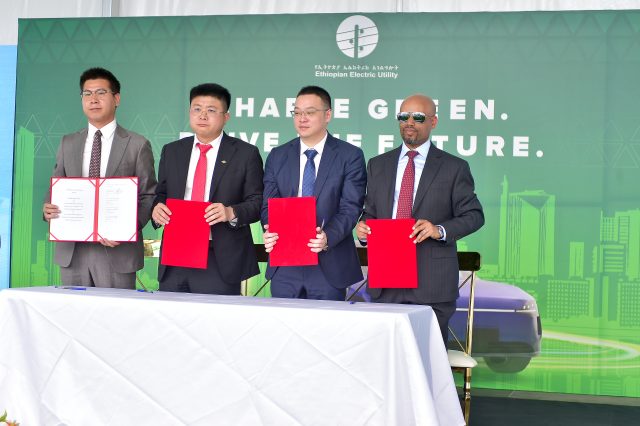
Ethiopia–Djibouti truck charging moves into feasibility study
Ethiopian Electric Utility and its partners will assess power capacity, substations and charging locations for heavy trucks on the trade corridor. The agreement covers a study; investment and deployment decisions are still ahead.
Read original articleTanzania and Angola announce ambition to connect ocean corridors
The proposed link would connect the Dar es Salaam and Lobito transport corridors through Zambia and the DRC, bringing TAZARA and the Benguela railway into a wider network. The announcement did not include a completion date.
Read original article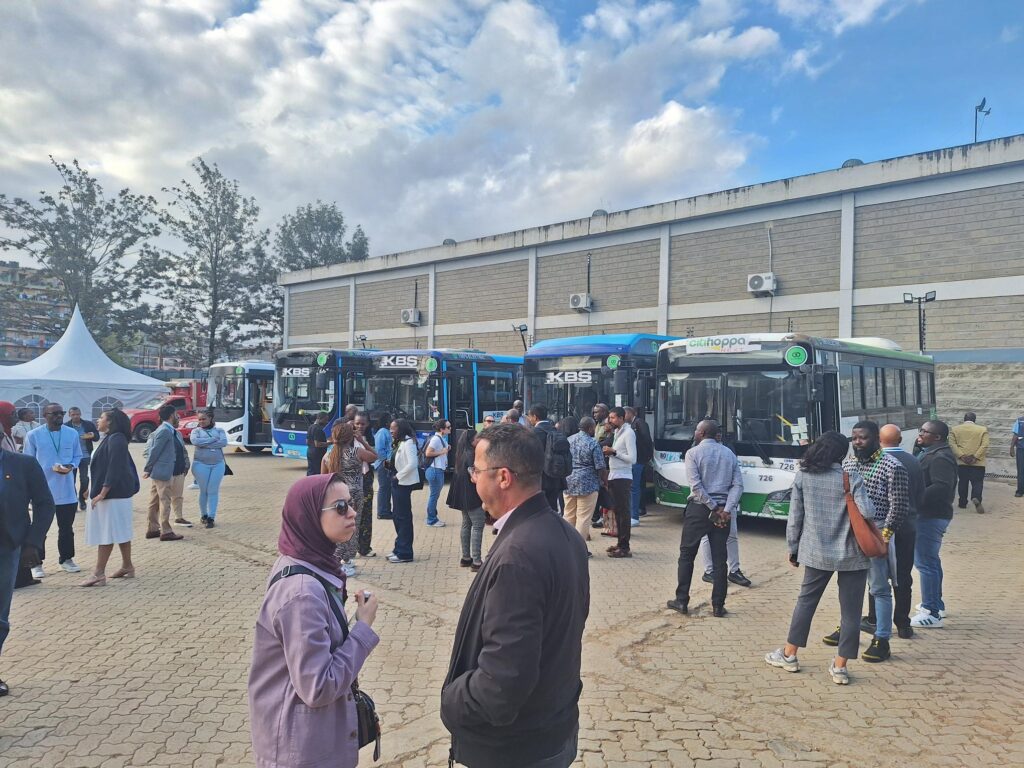
Rabat prepares electric buses powered by solar energy
A C40 Cities Finance Facility-supported project plans 30 electric buses for the Témara–Rabat–Salé express line, alongside solar energy at depots. The project launch brings the city into the preparation and delivery process.
Read original articleZambia–Lobito railway selects preferred construction bidders
Africa Finance Corporation has selected preferred bidders for the planned 830-kilometre railway through Zambia and Angola. Contract negotiations are expected to follow in November, advancing a new connection towards the Atlantic coast.
Read original article
Nairobi forum focuses on scaling zero-emission freight
Kenya’s transport ministry reports on the Africa EV Freight Forum, co-organised by Smart Freight Centre and Intro Africa. Discussions examined charging, finance, policy and the practical lessons from electric journeys across African borders.
Read original article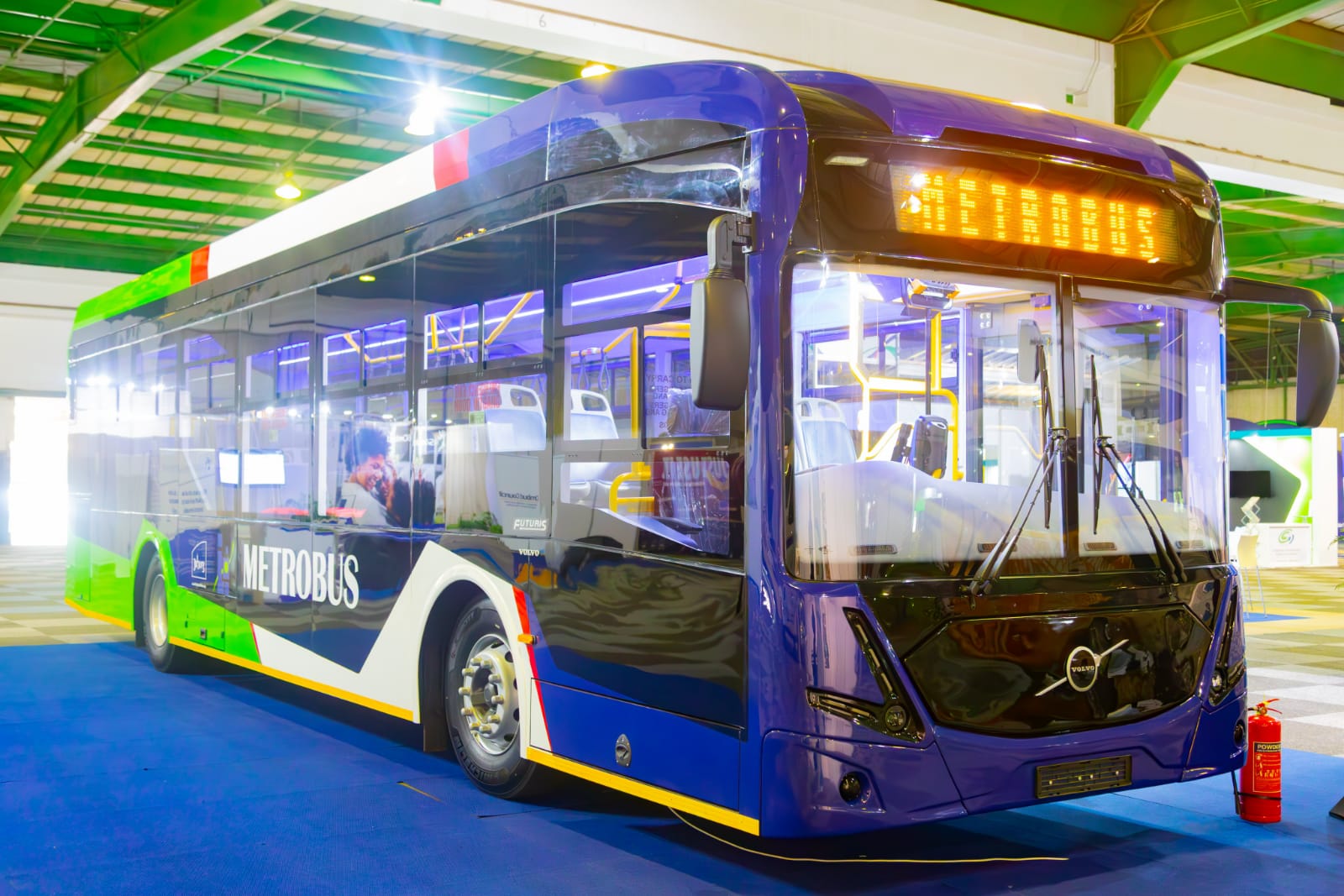
Johannesburg announces electric-bus trials on Metrobus and BRT routes
The city announced a 30–60 day trial beginning on 3 September, covering Metrobus and Rea Vaya routes. Testing will examine energy use, reliability, maintenance, costs and passenger experience to inform future fleet decisions.
Read original articleResearch & evidence
PLANNING THE TRANSITION.
Reports and data on vehicle sales, climate policy, charging and battery circularity — connecting the infrastructure conversation with practical evidence.
South Africa’s new-energy sales: three different powertrains
For January–September 2026, naamsa reports 11,090 conventional hybrids, 8,082 plug-in hybrids and 3,217 battery-electric vehicles: 22,389 new-energy vehicle sales in total. Battery-electric vehicles account for about 14.4% of that reported total. Keeping the three categories separate shows what requires plug-in charging. These are industry-reported sales for the period, not the number of vehicles on the road.
Freight remains a blind spot in national climate plans
A GIZ/SLOCAT assessment of 128 third-generation national climate plans submitted by 1 September 2026 found that 48 included mitigation actions for freight or combined freight and passenger transport. The global report highlights gaps in freight coverage and in explaining how transport measures will be delivered. It assesses stated plans, not implementation or verified emissions reductions.
Planning Kenya’s EV charging infrastructure
This 66-page feasibility study examines charging locations, grid requirements, costs, financing and business models across urban, fleet and highway use. It provides planning guidance for infrastructure deployment. Its financial figures describe modelled scenarios, rather than realised project returns.
Read the researchKenya’s EV battery stock and retirement outlook
Using NTSA registration data and cohort-based modelling, AfEMA estimates installed EV battery stock at 176.7 MWh and models future retirements to inform reuse and recycling planning. Stock figures are estimates for the report’s registered-EV scope; future retirement volumes are projections. The publication dates differ between the report cover and its webpage.
Read the researchCurated summaries by Road to Africa. Dates refer to the original publication. Reporting and photographs are credited to their publishers; editorial graphics are labelled. Linked articles open in a new tab. Announcements, plans and trials are described at their reported stage.