
Road to Addis
Africa’s Electric Journey Begins

historic CROSS BORDER EV TRAVEL
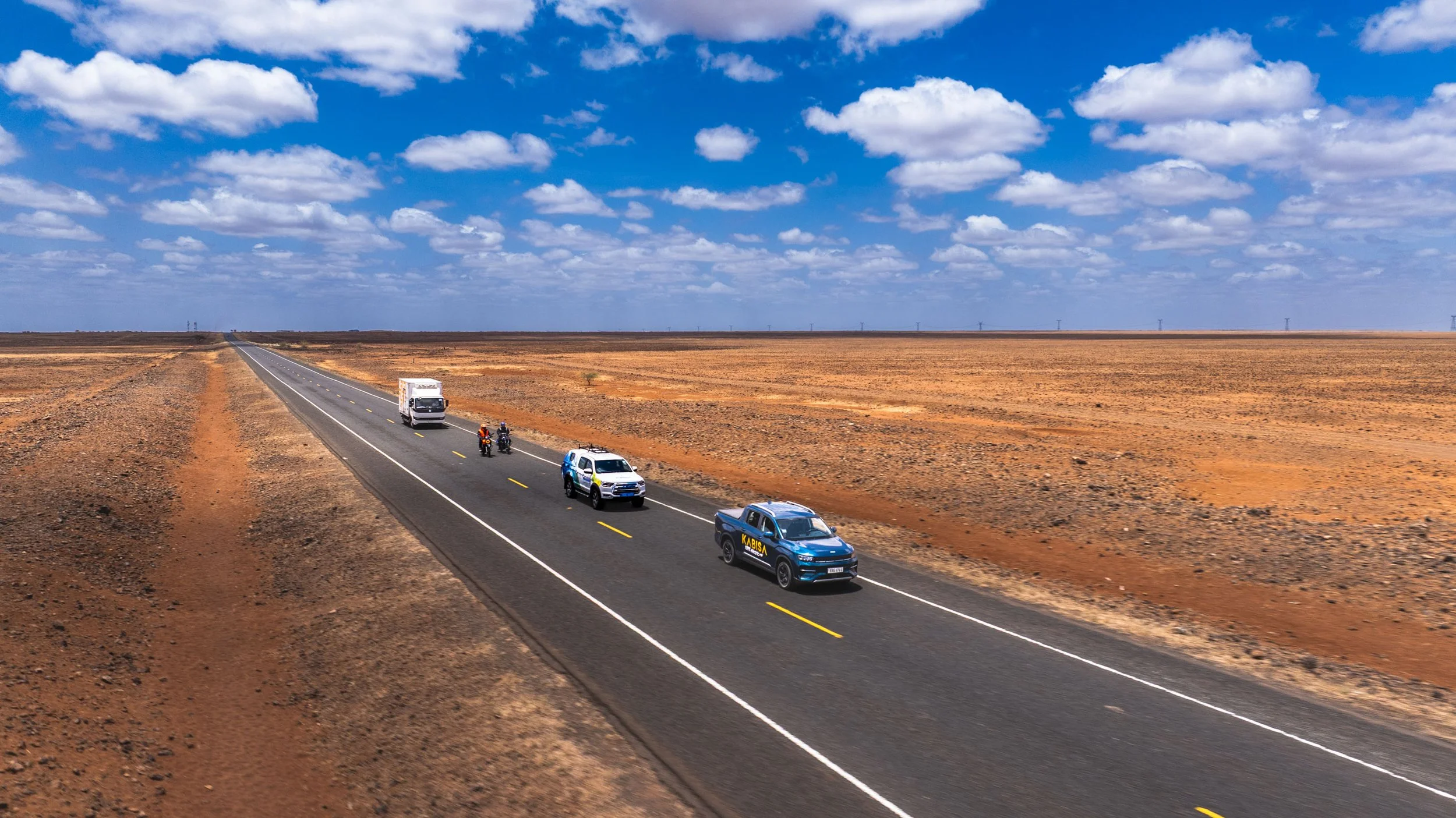
The Road to Addis marked the first long-distance electric mobility expedition between Nairobi and Addis Ababa, a 1,600-kilometer journey (one-way) through some of East Africa’s most breathtaking terrains. The goal was simple: to test, document, and understand what it takes to travel across borders powered only by electricity.
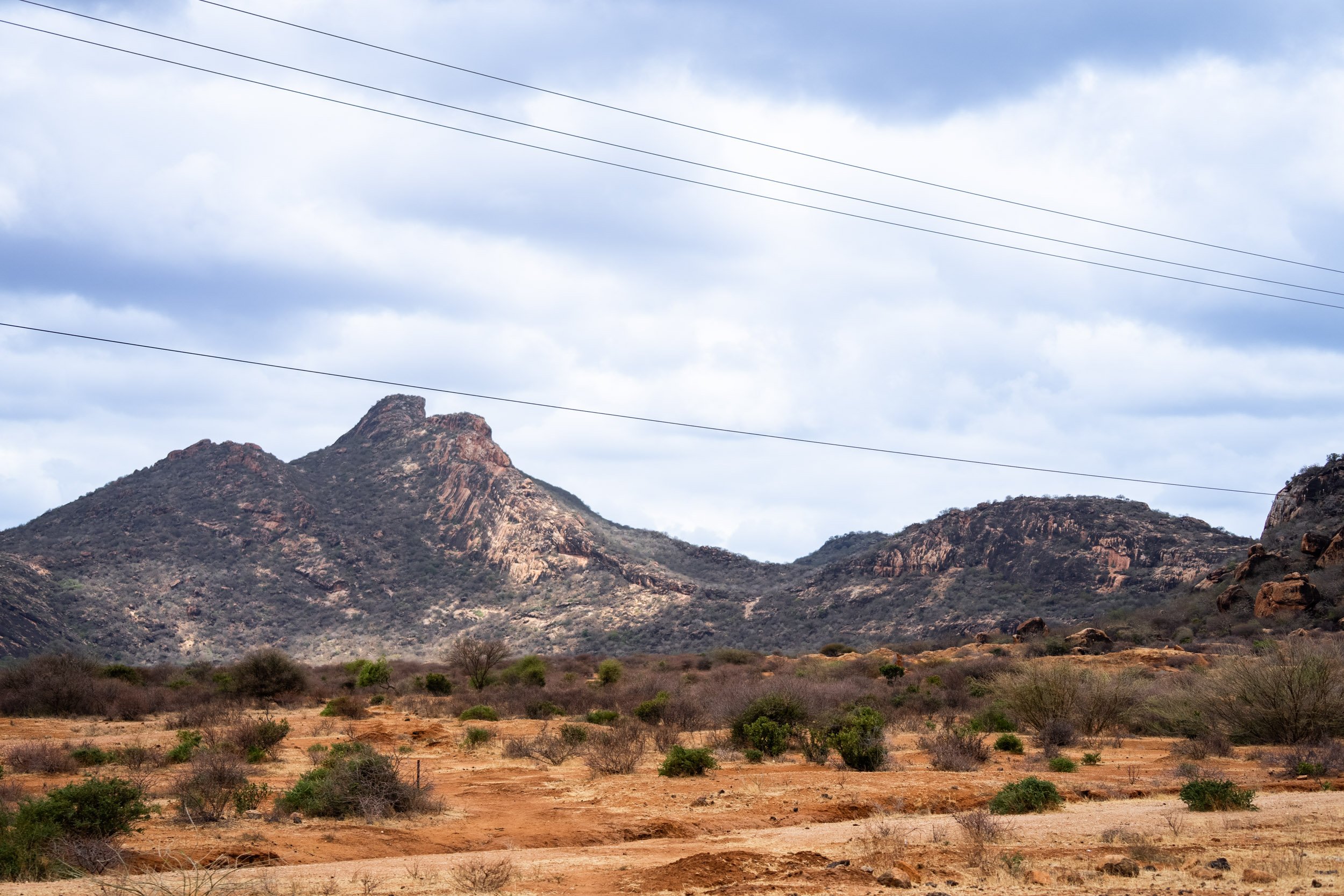
Conceived as a live experiment, the Road to Addis set out through the most inhabited stretches of northern Kenya and southern Ethiopia. As one of the technical leads put it, getting a full convoy together for such a route was an ambitious plan.
WATCH VIDEO ↓
A Convoy That Made Sense
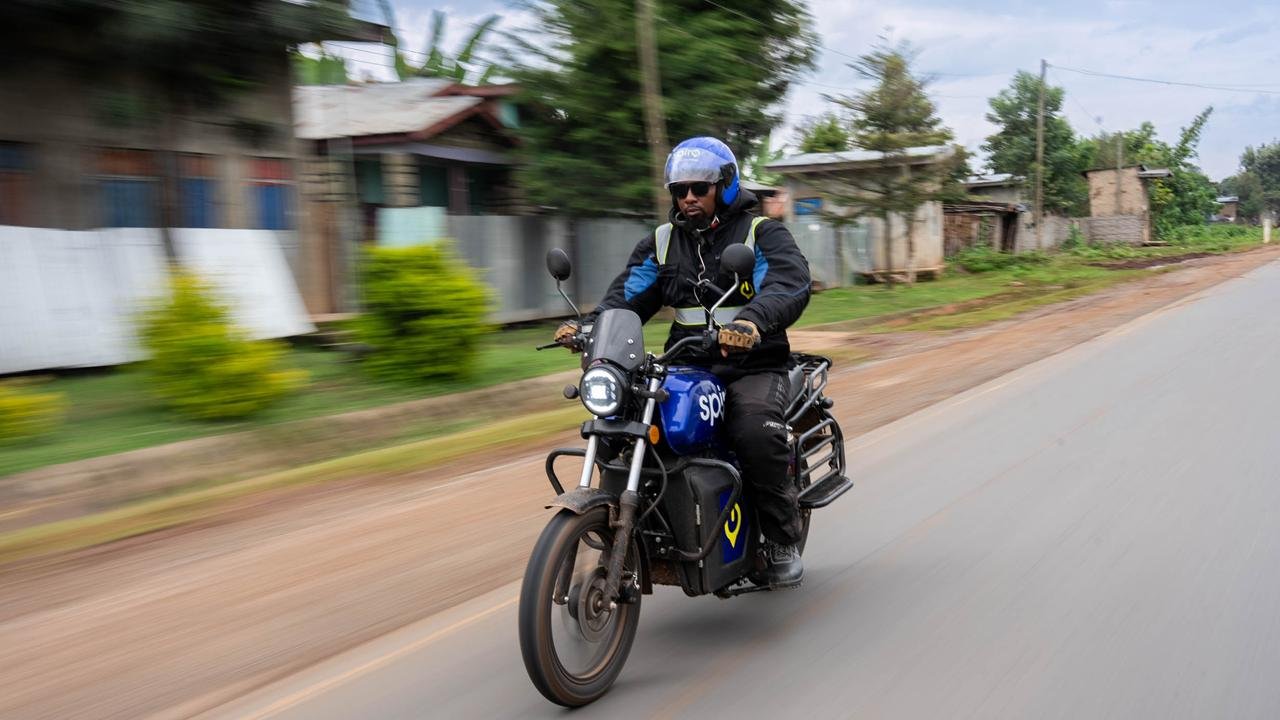
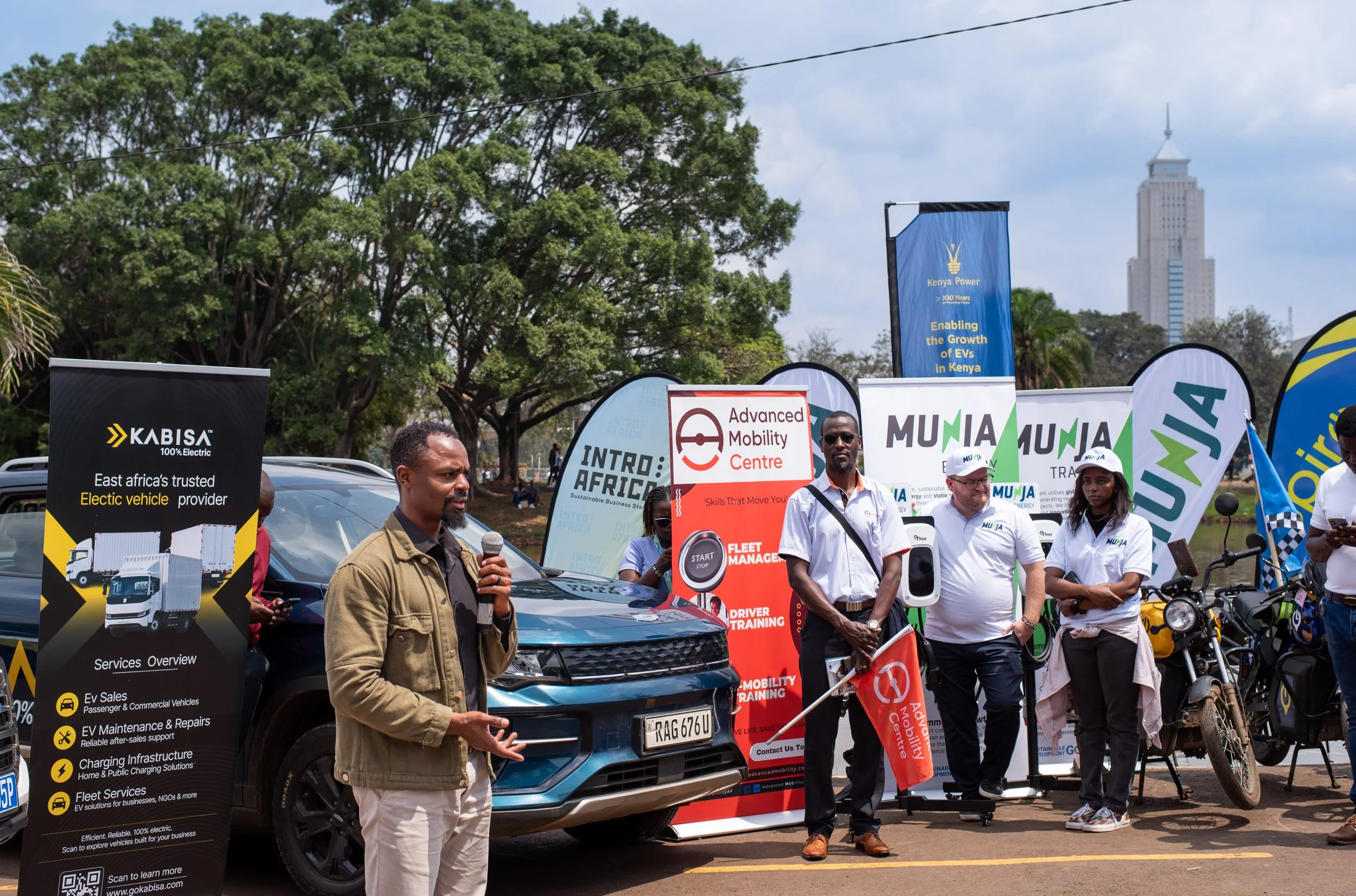
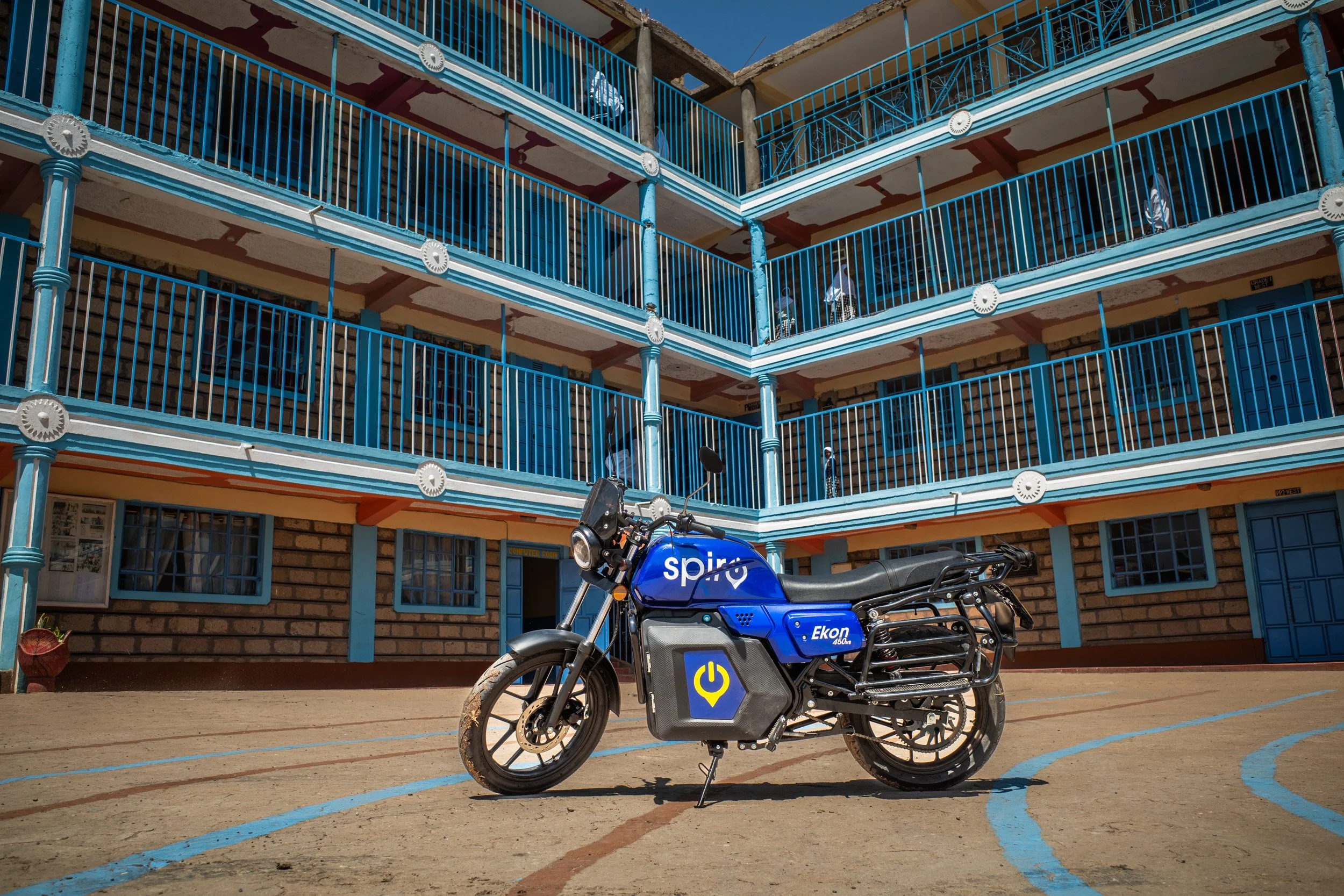
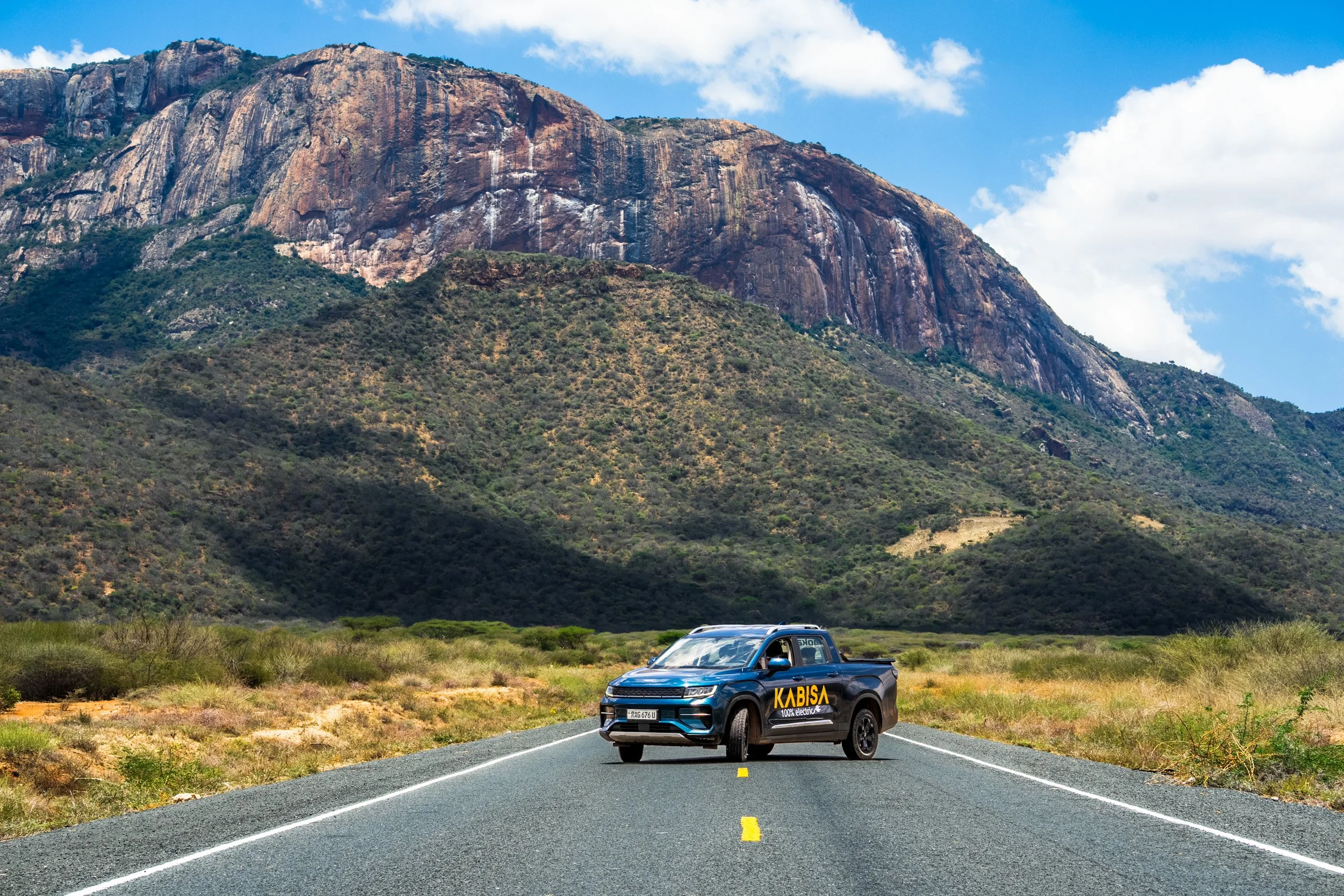
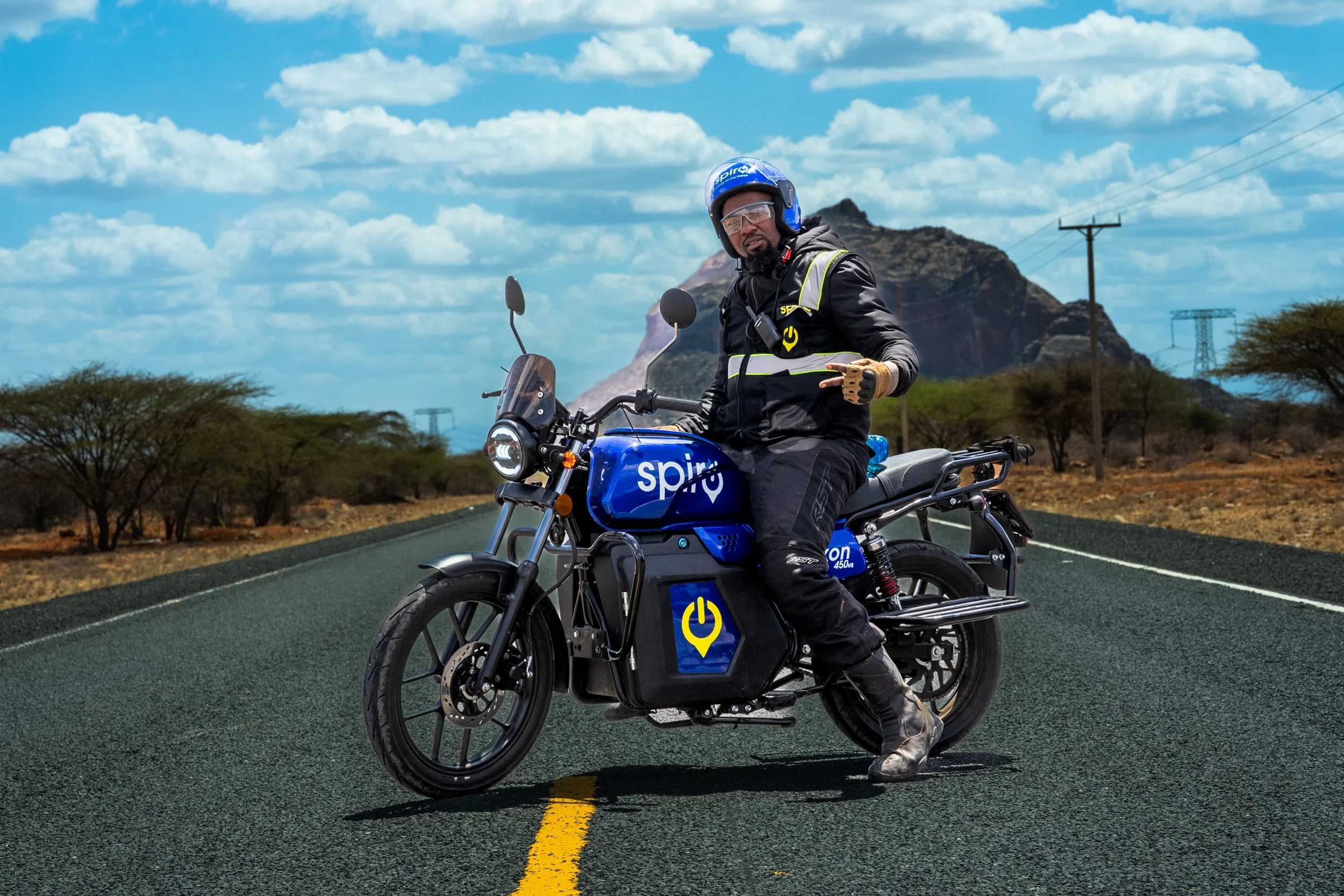
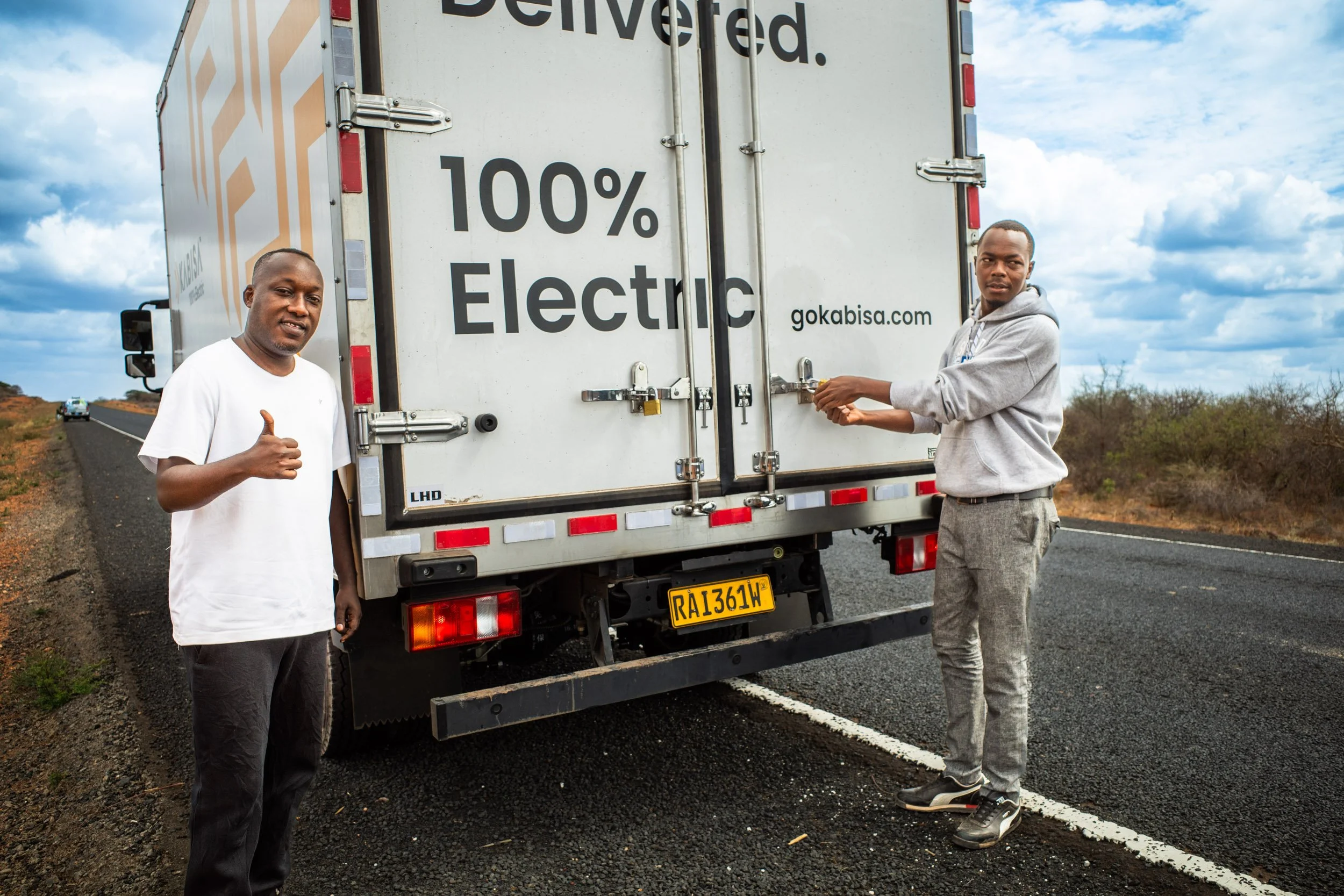
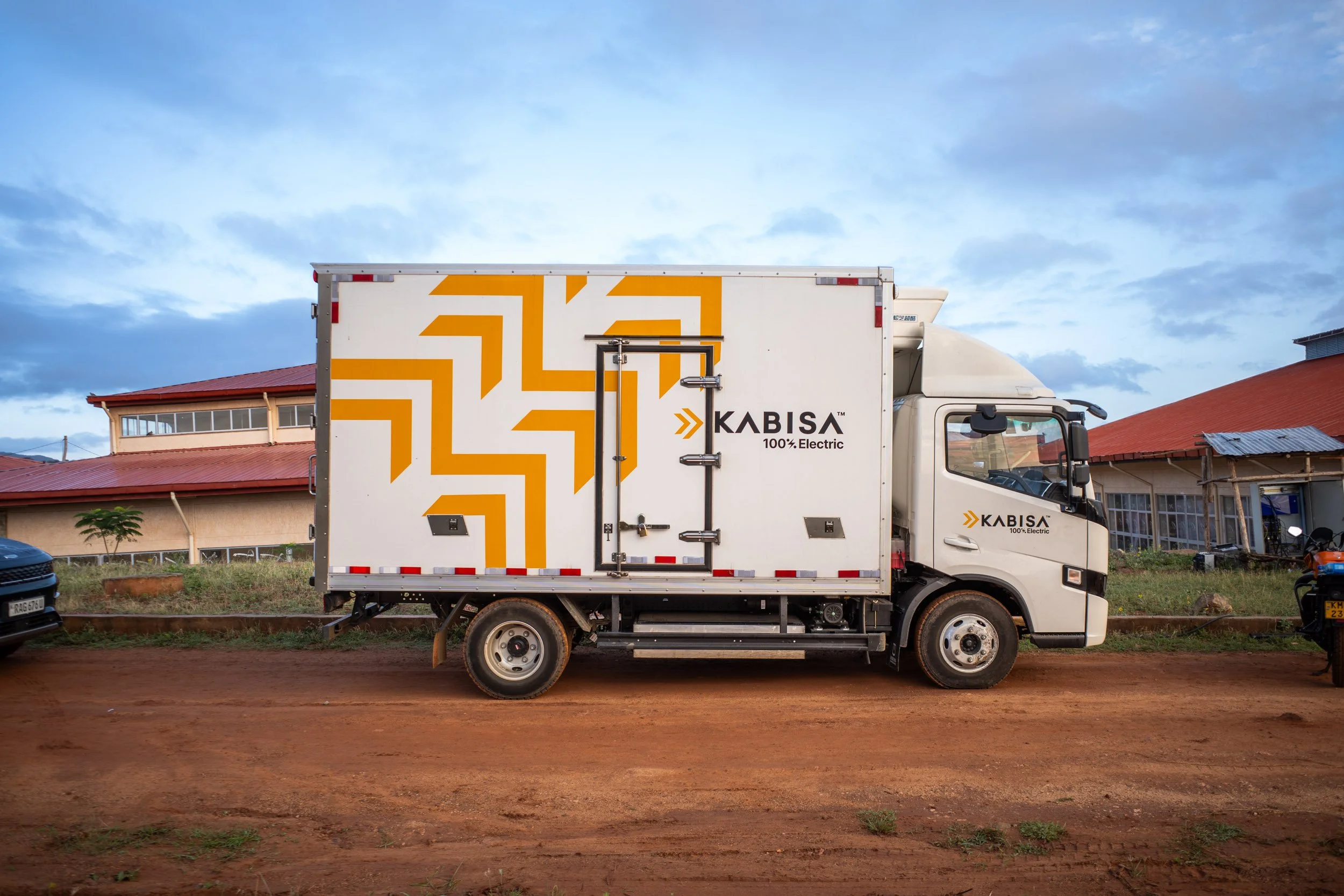
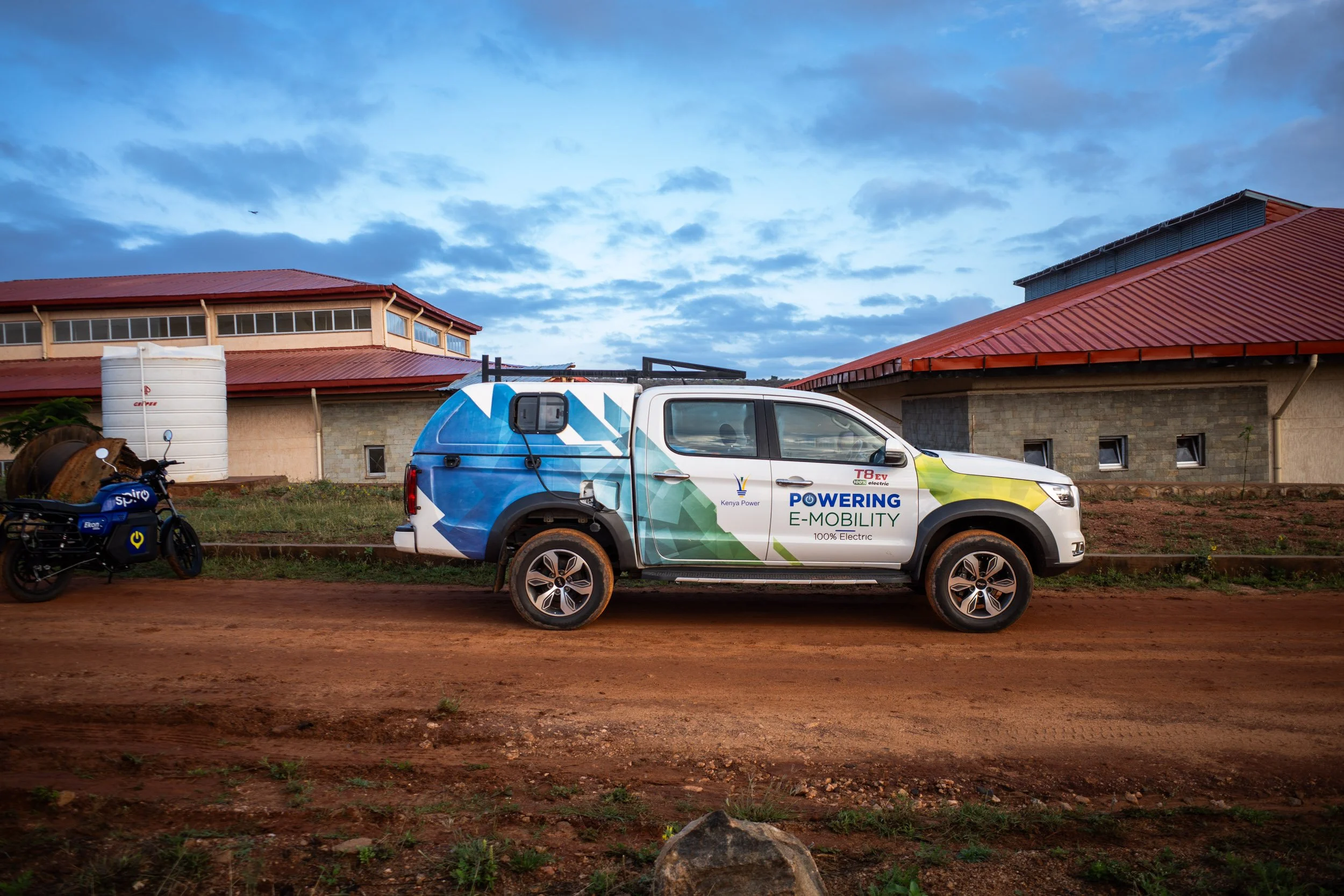
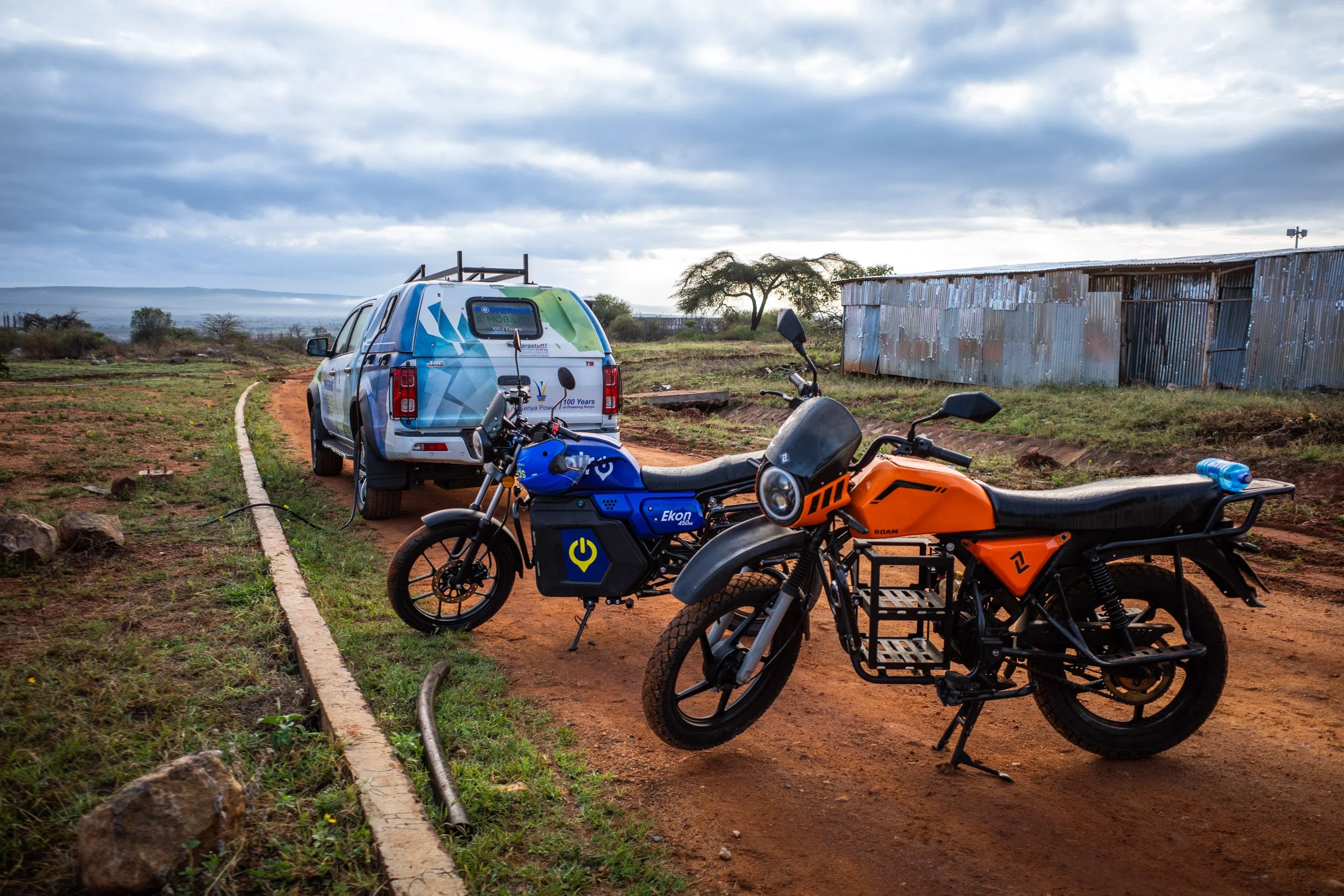
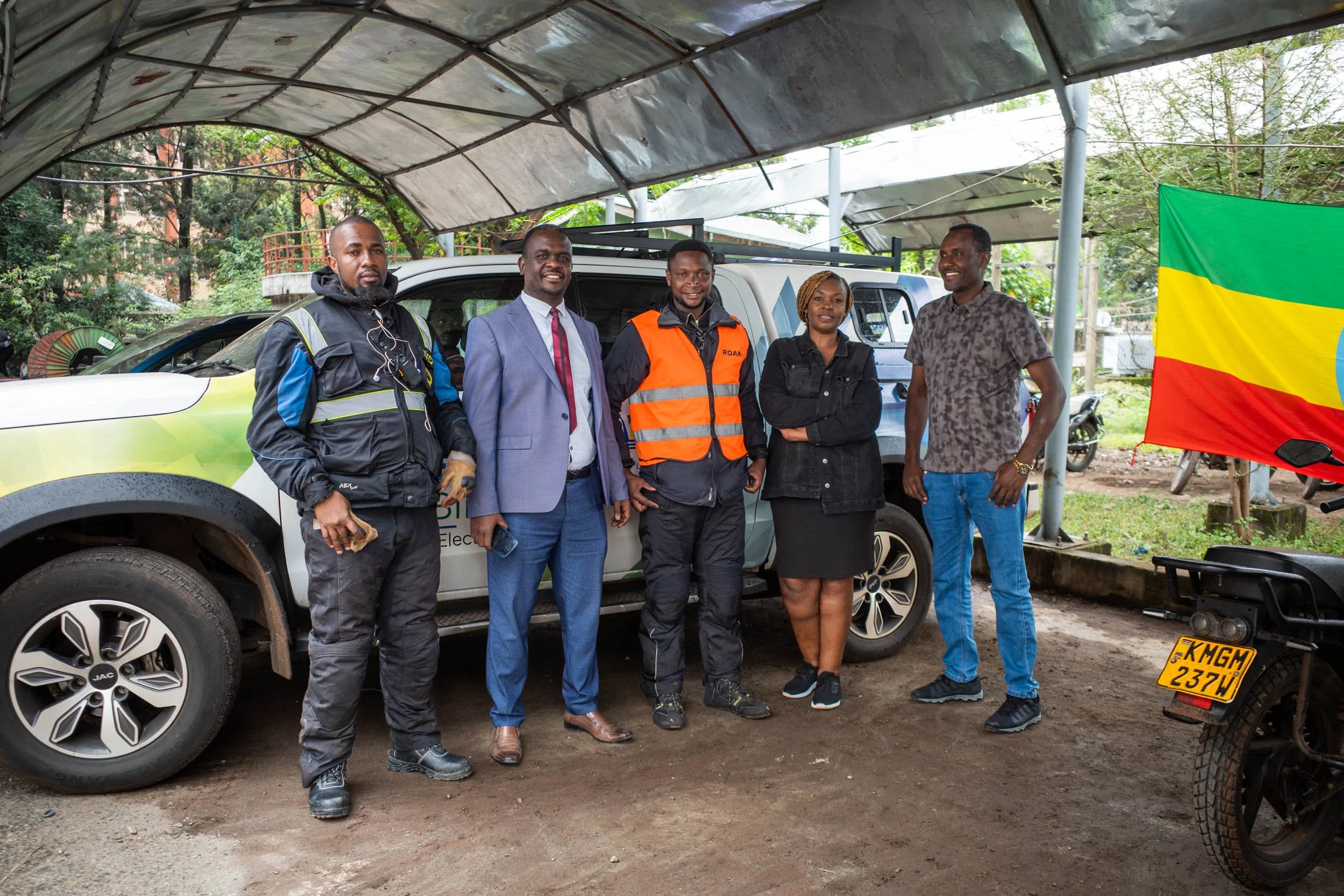
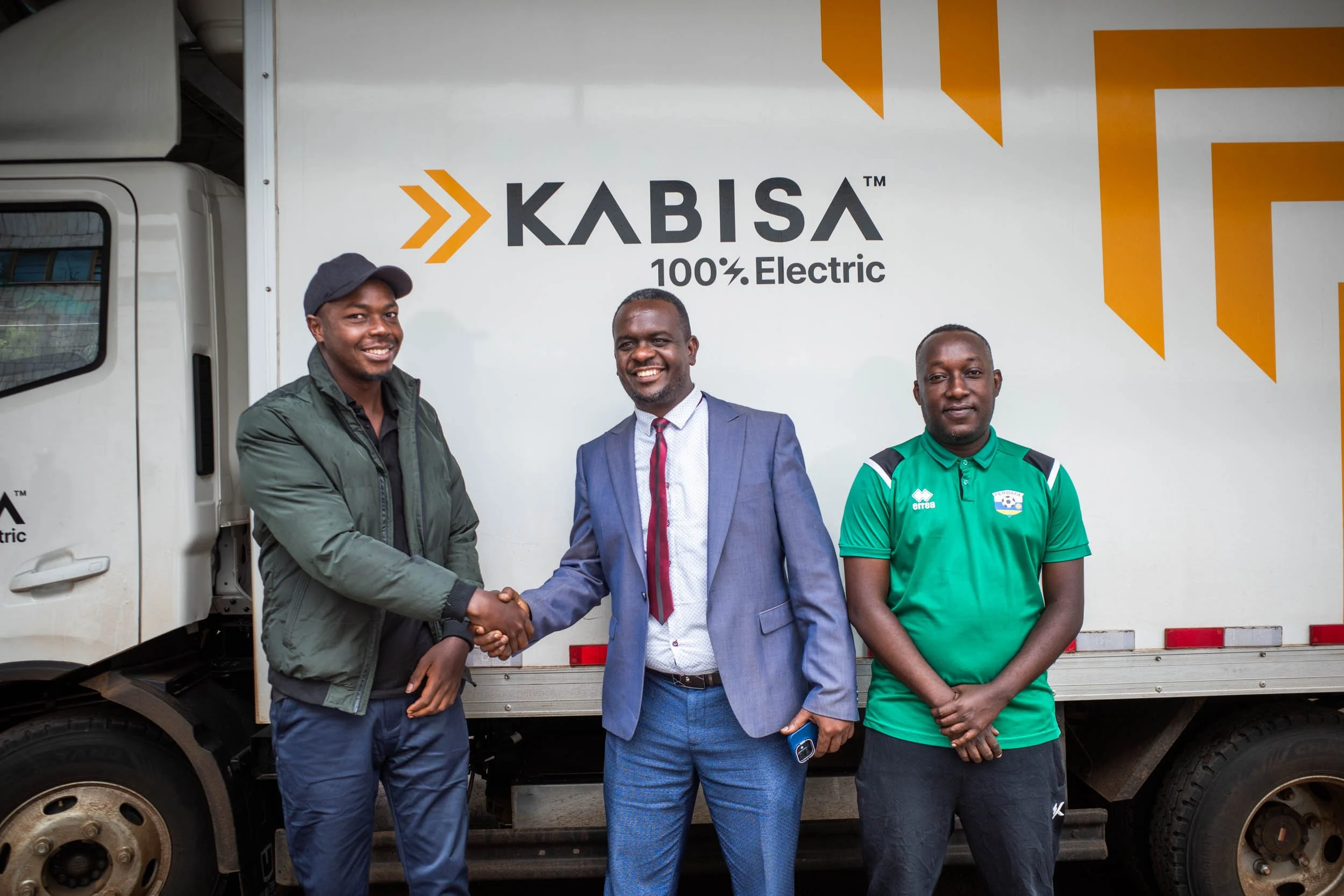
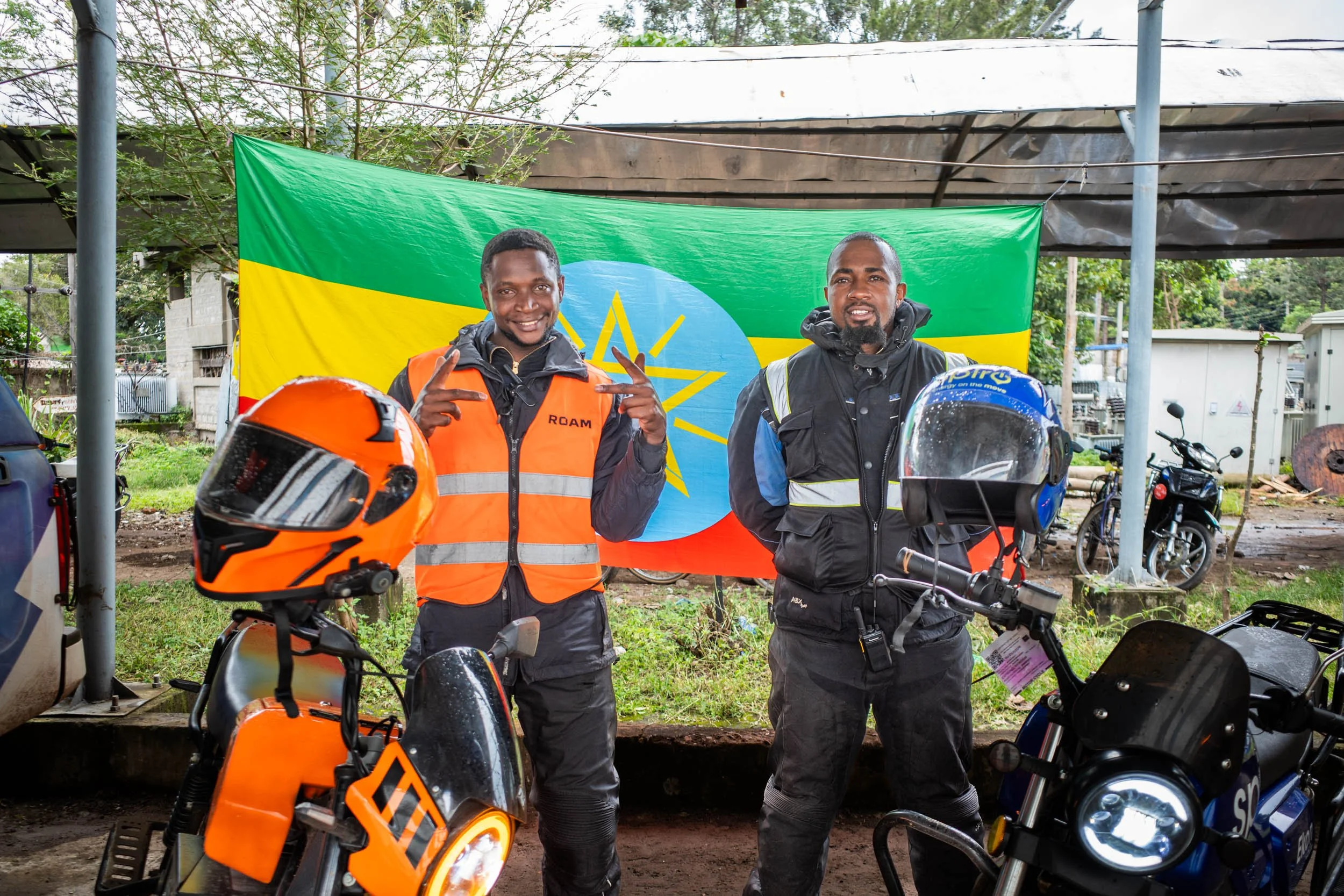
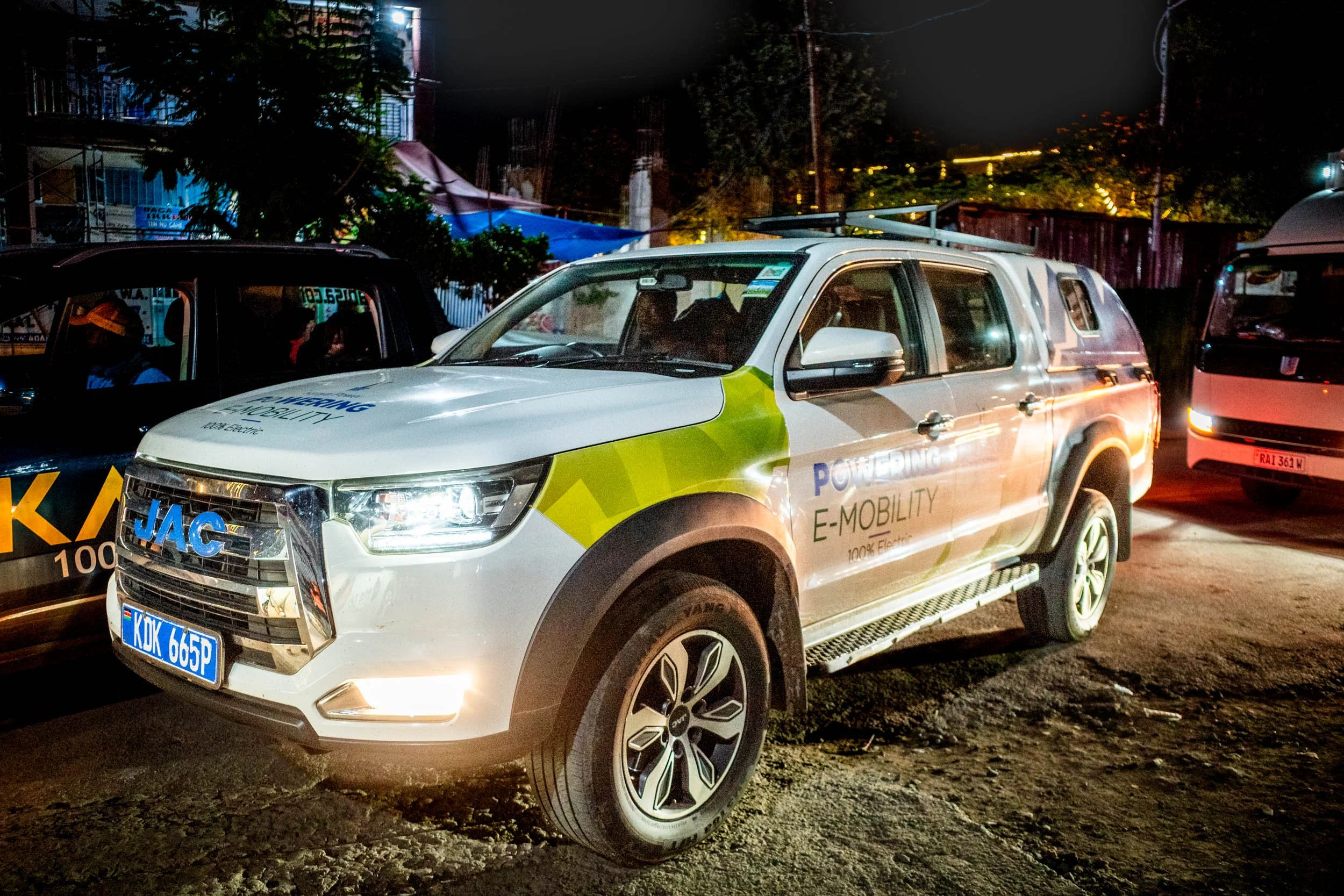
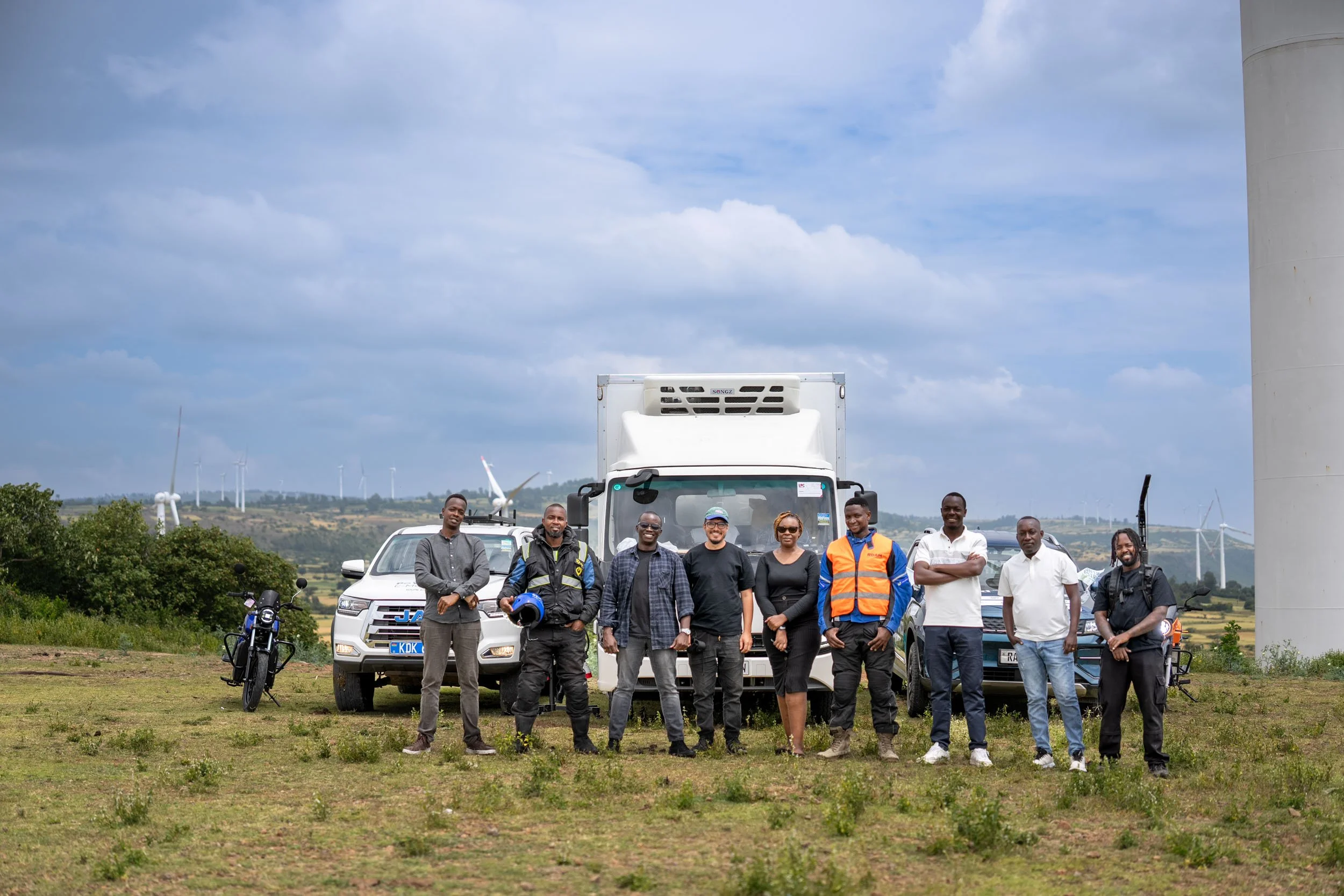
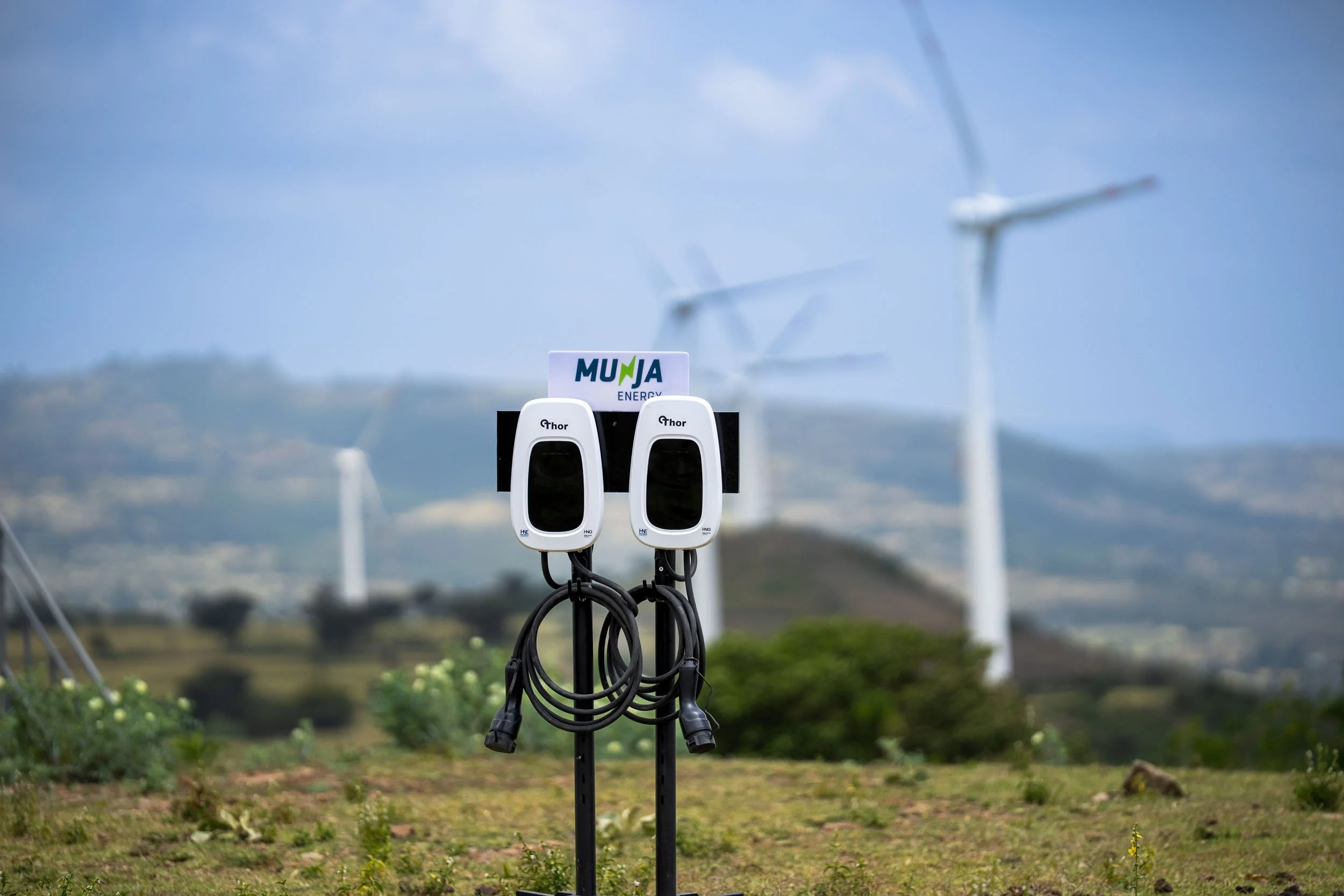
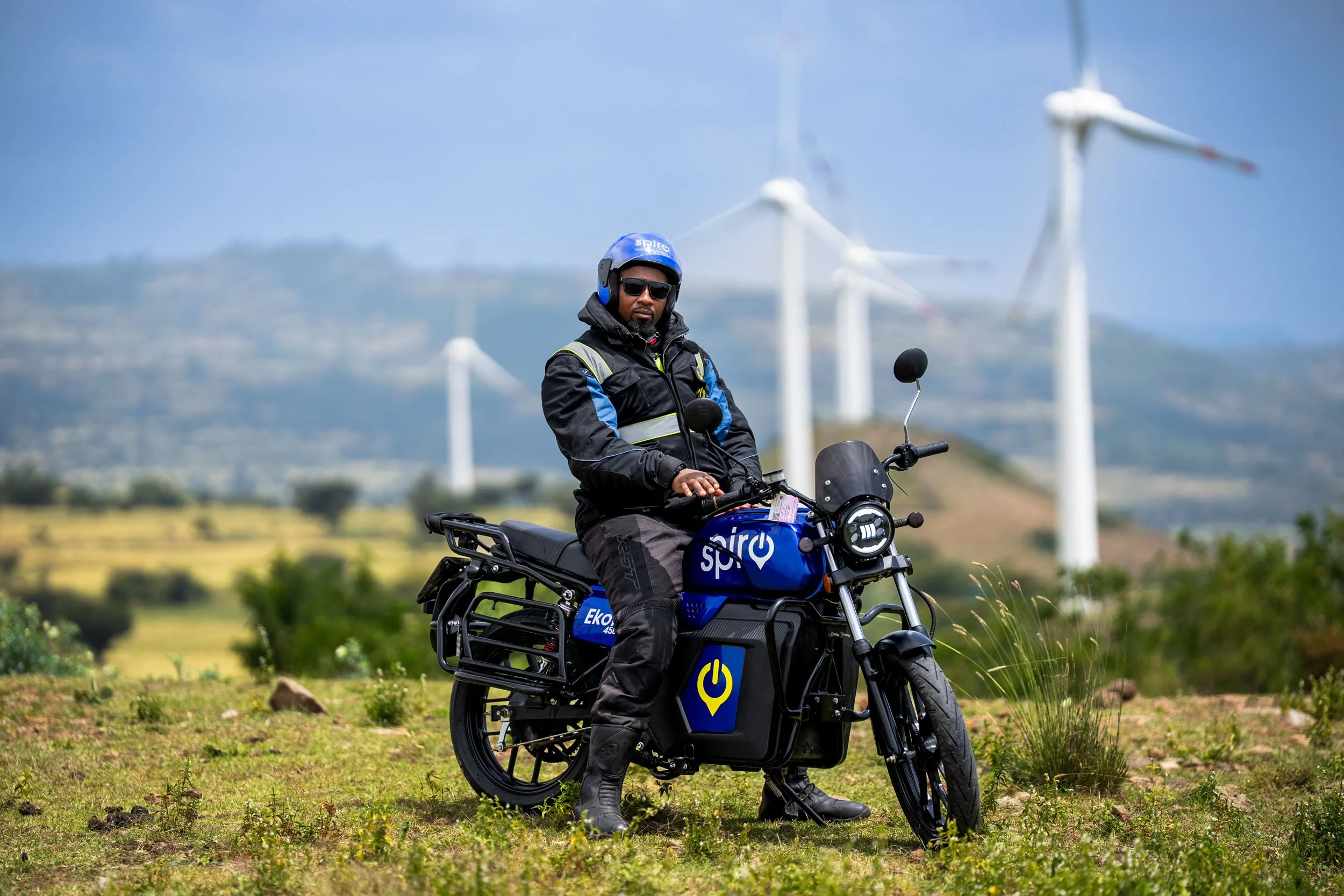
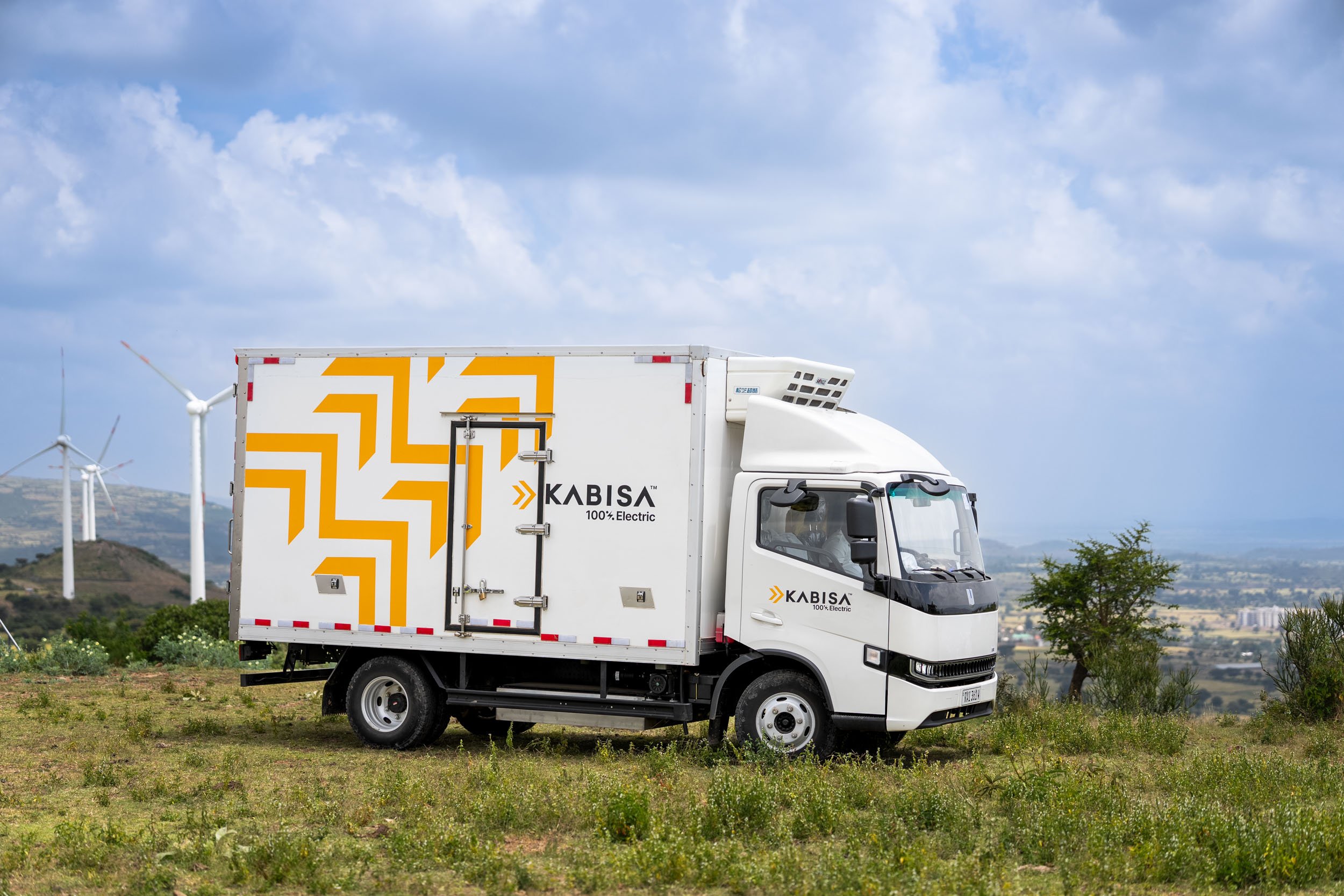
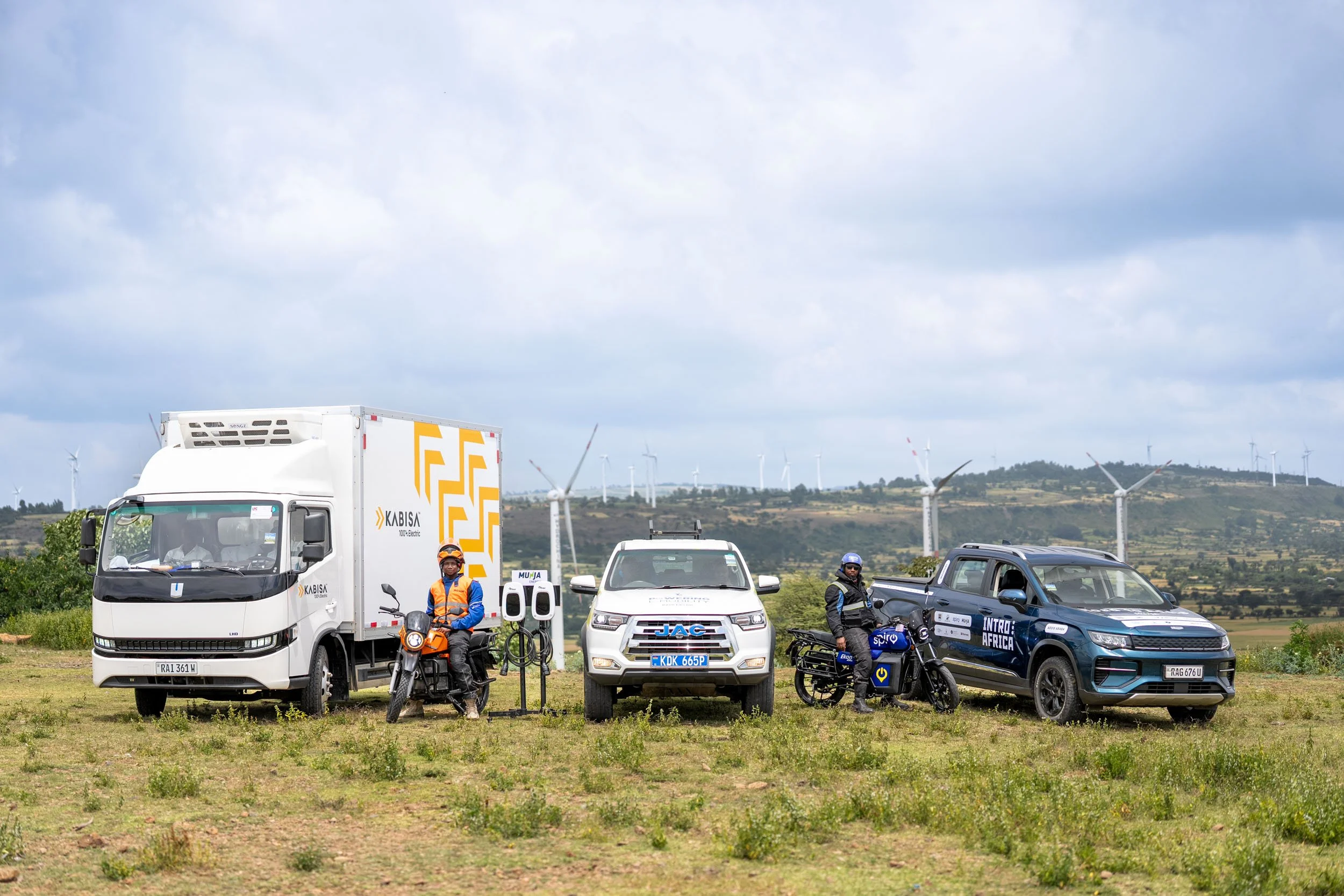
The Road to Addis was initiated by Intro Africa and Thought Leader Africa, with Munja Energy as platinum partner powering the journey. The convoy brought together vehicles and teams from Kabisa, Kenya Power, Spiro, and Roam, supported by a broad ecosystem of institutions and companies committed to testing what an electric corridor could look like in real conditions.
Main partners included Africa E-Mobility Alliance, Africa E-Mobility Week, the Ethiopian Ministry of Transport and Logistics, the Kenyan Ministry of Roads and Transport, Kenya Power and Lighting Company (KPLC), Ethiopian Electric Utility (EEU), Kuehne Foundation, the Norwegian Embassies in Addis Ababa and Nairobi, and Hyatt Regency Addis Ababa. Supporting partners such as Eazy Power, Spiro, Ethiopian Petroleum and Energy Authority, UNEP, Basigo, Advanced Mobility Centre, Roam Electric, Ampersand, Taxime, Dodai, Lion Green Solutions, House of Procurement, Nice Innovation Incubation Centre, E-Cars Society of East Africa and others ensured technical, logistical and institutional backing along the way.
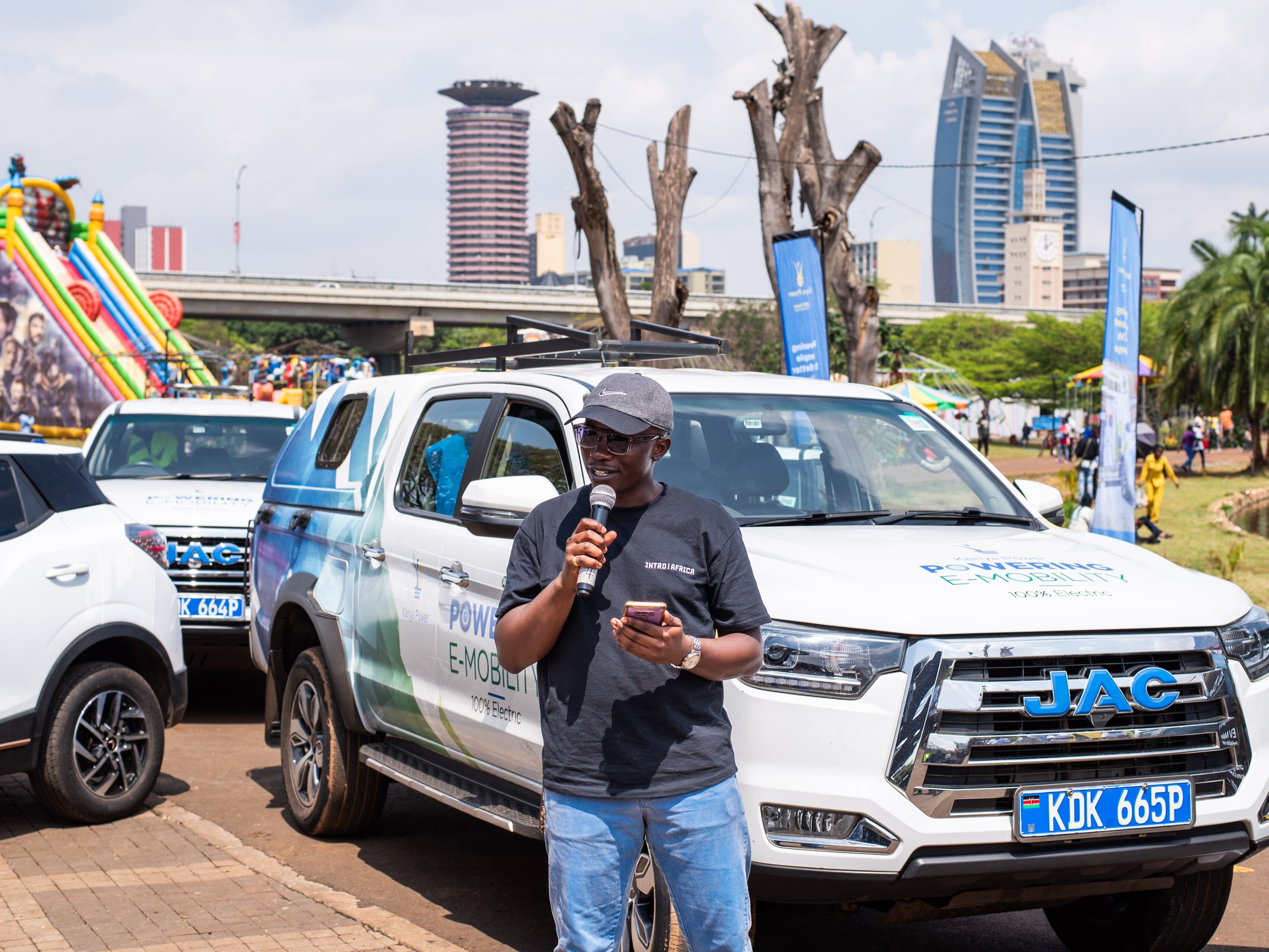
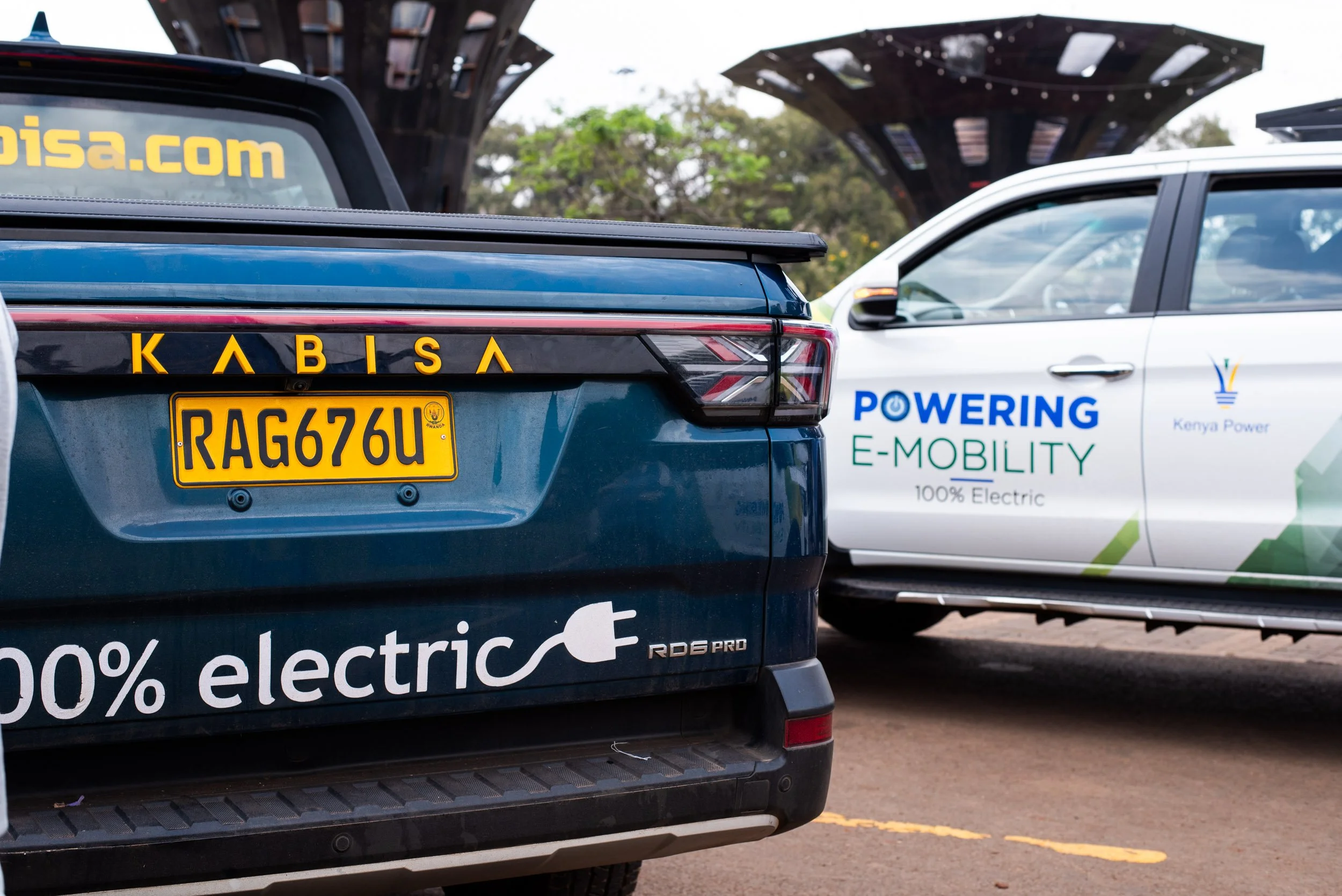
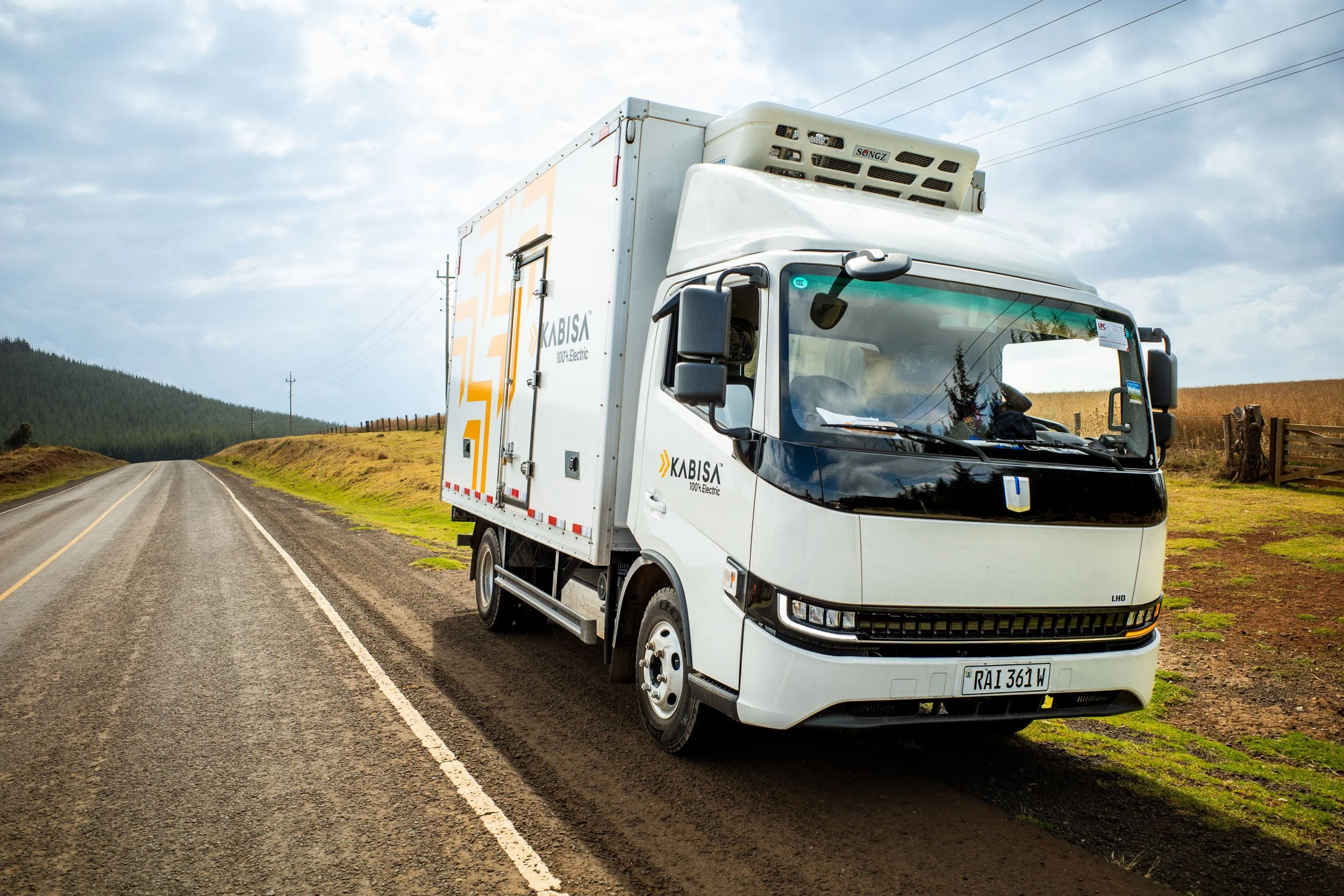
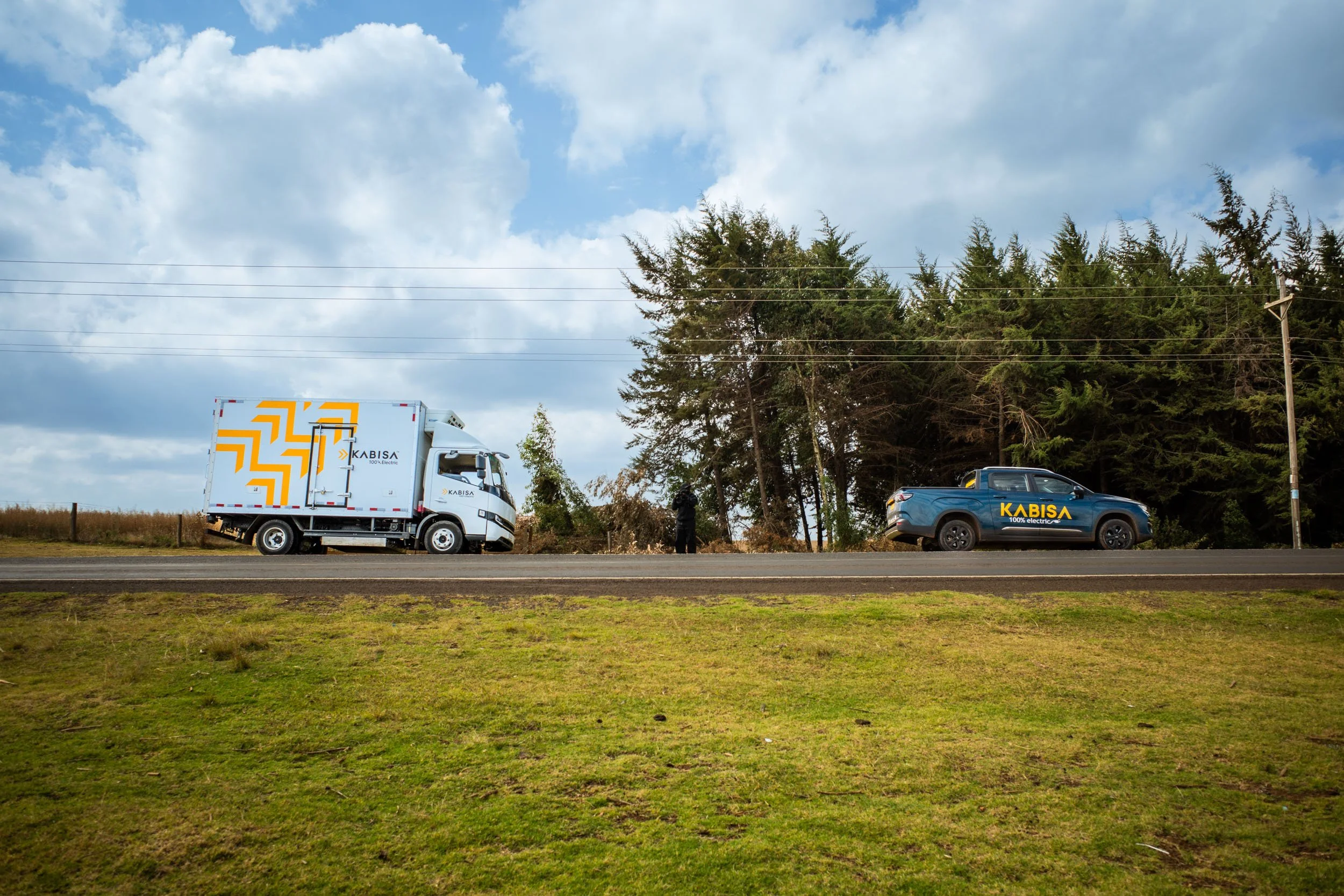
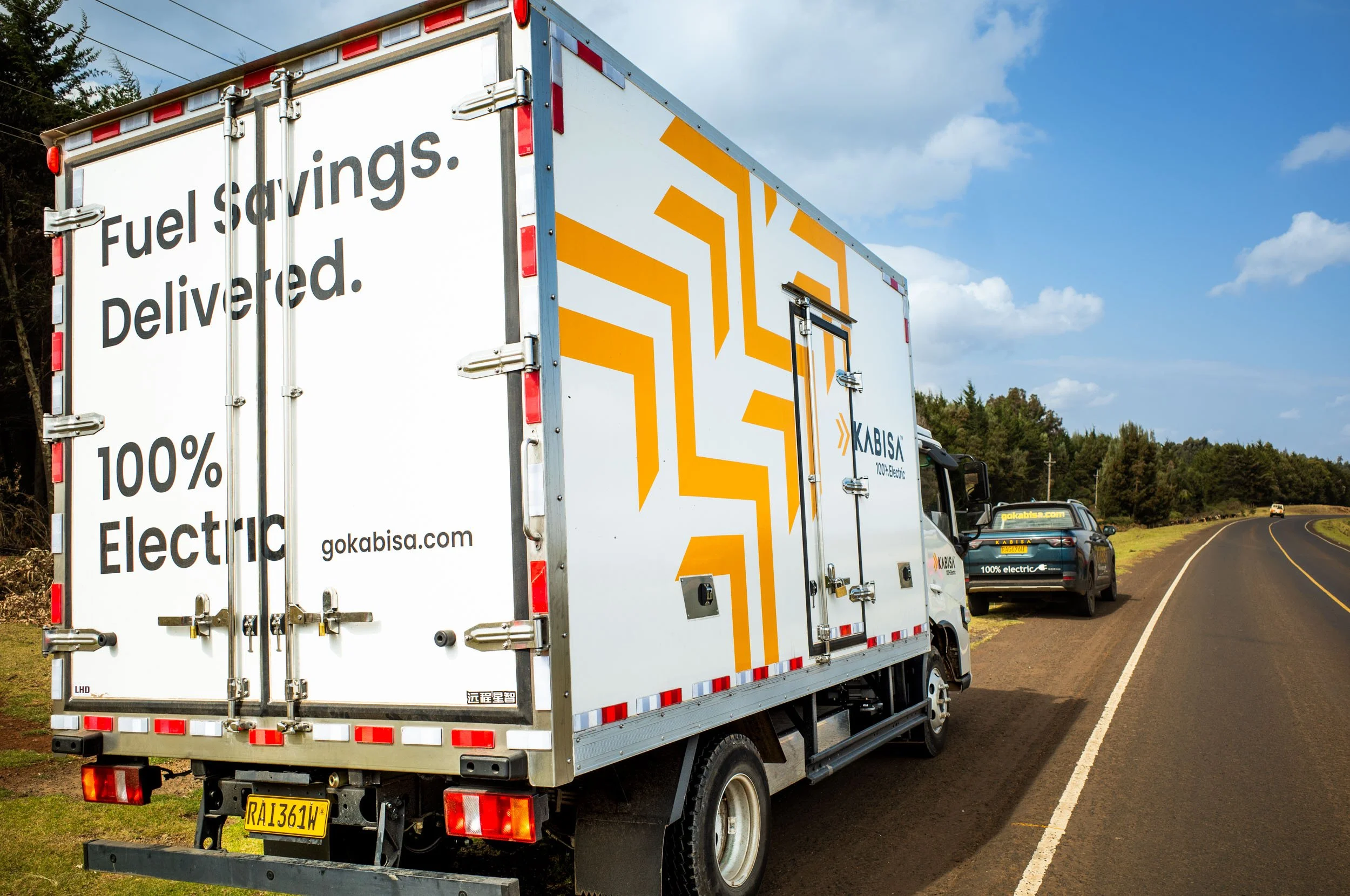
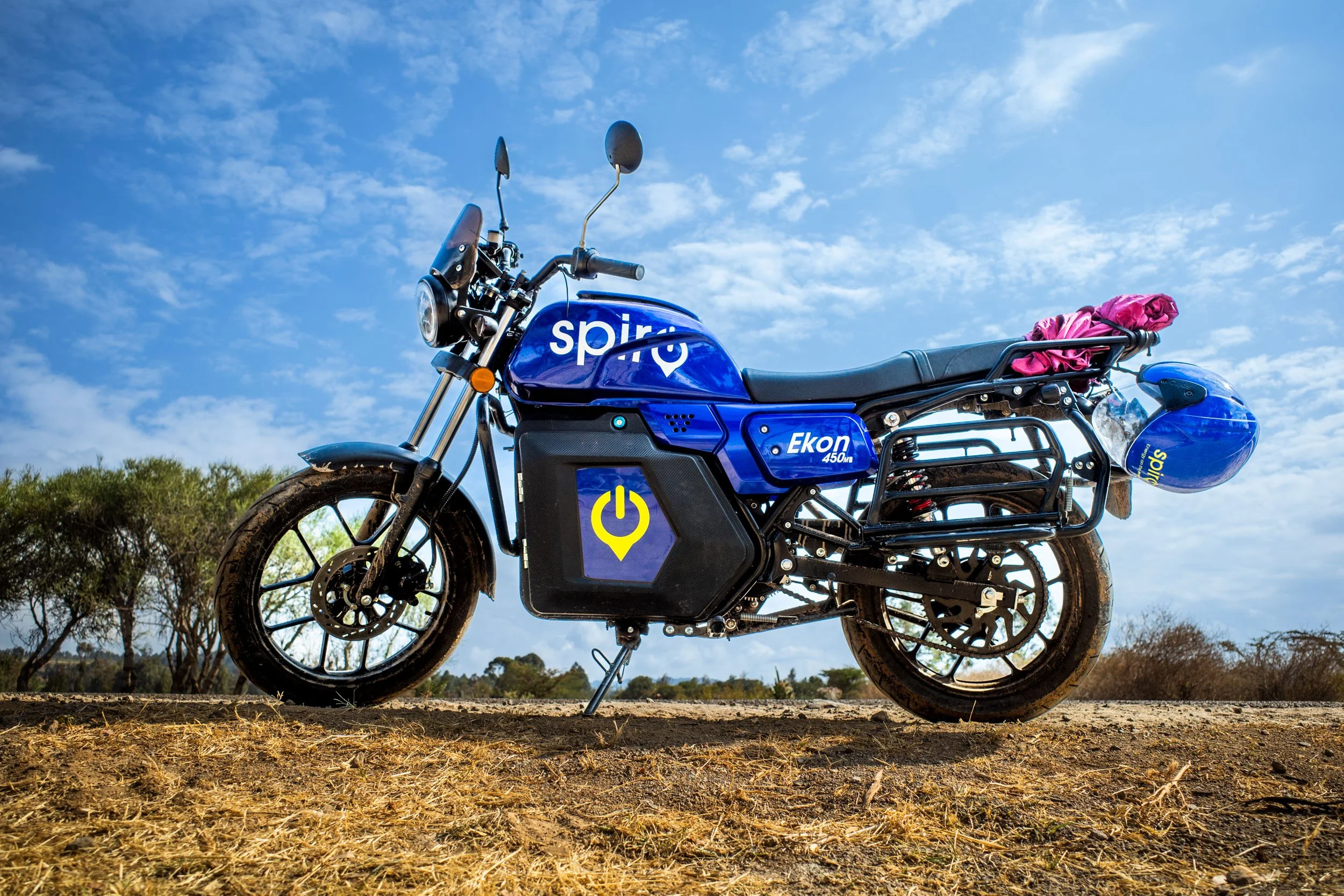
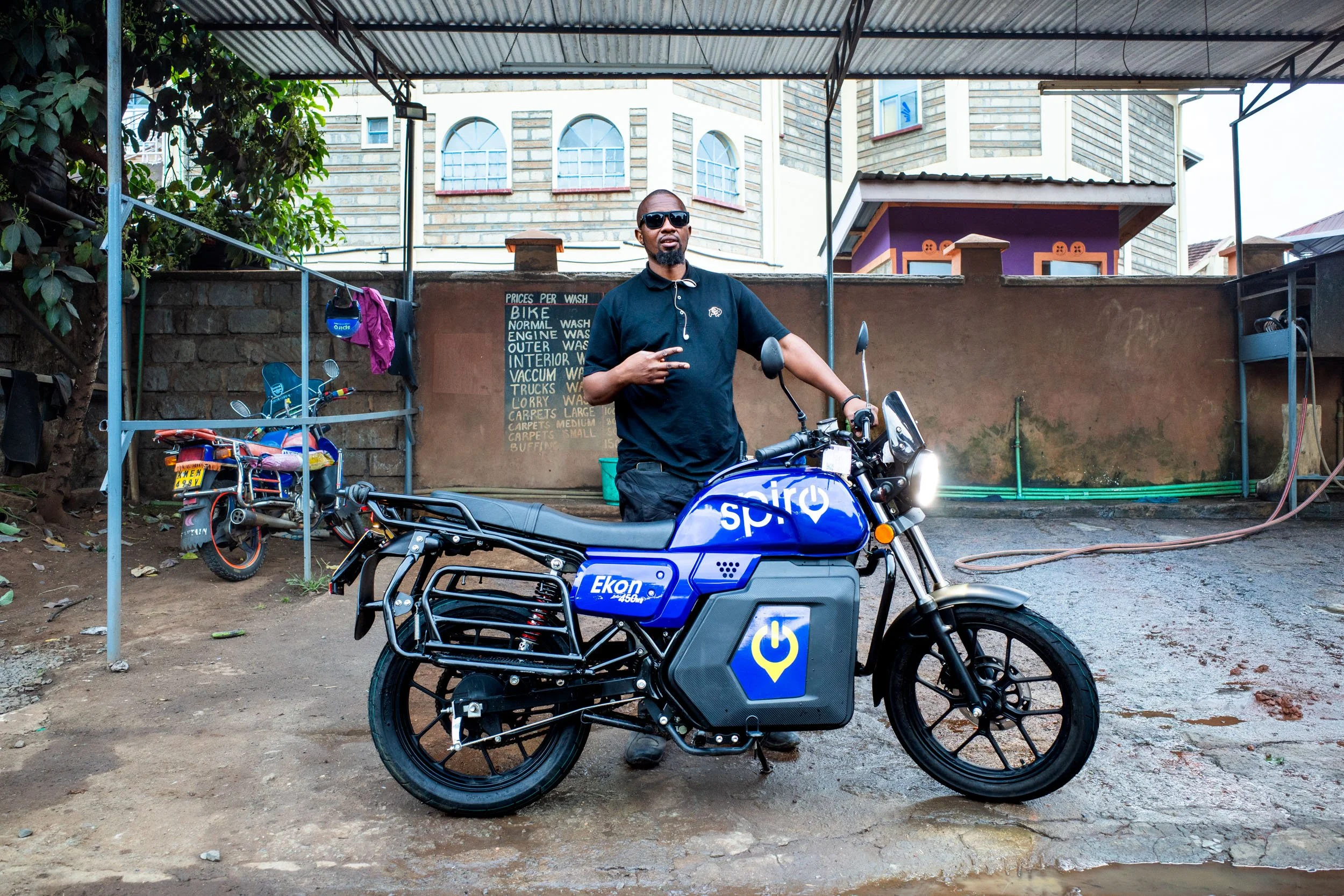
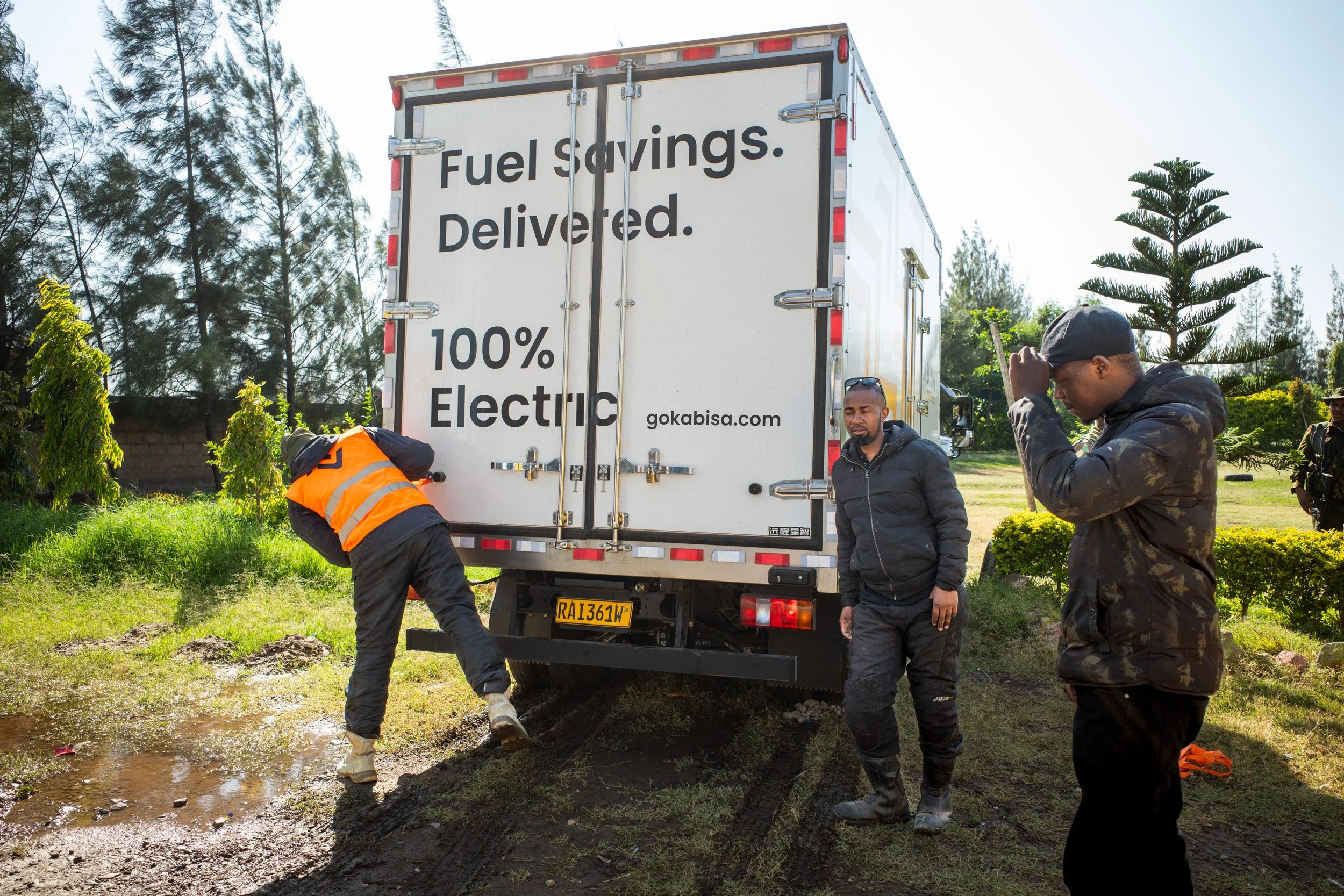
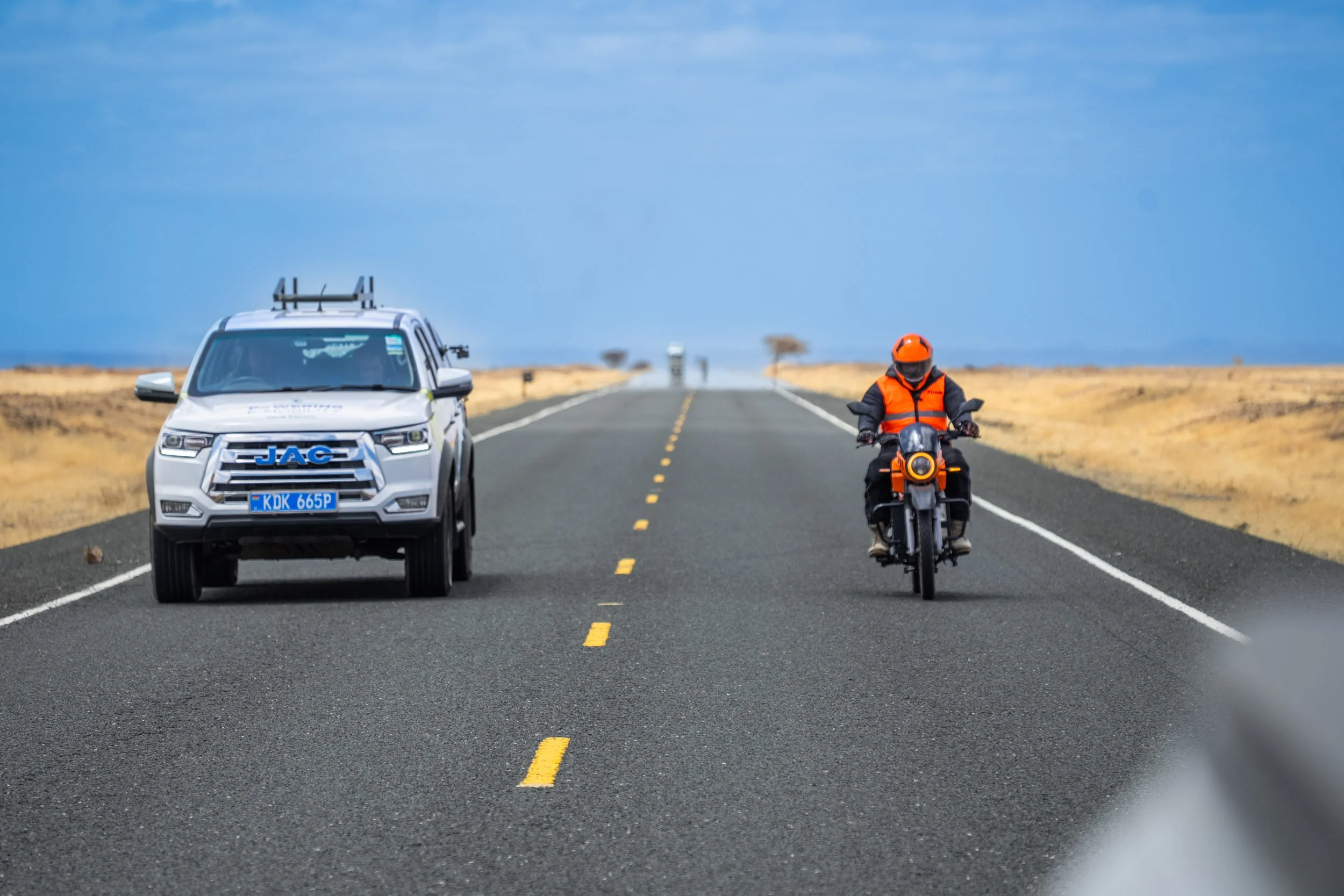
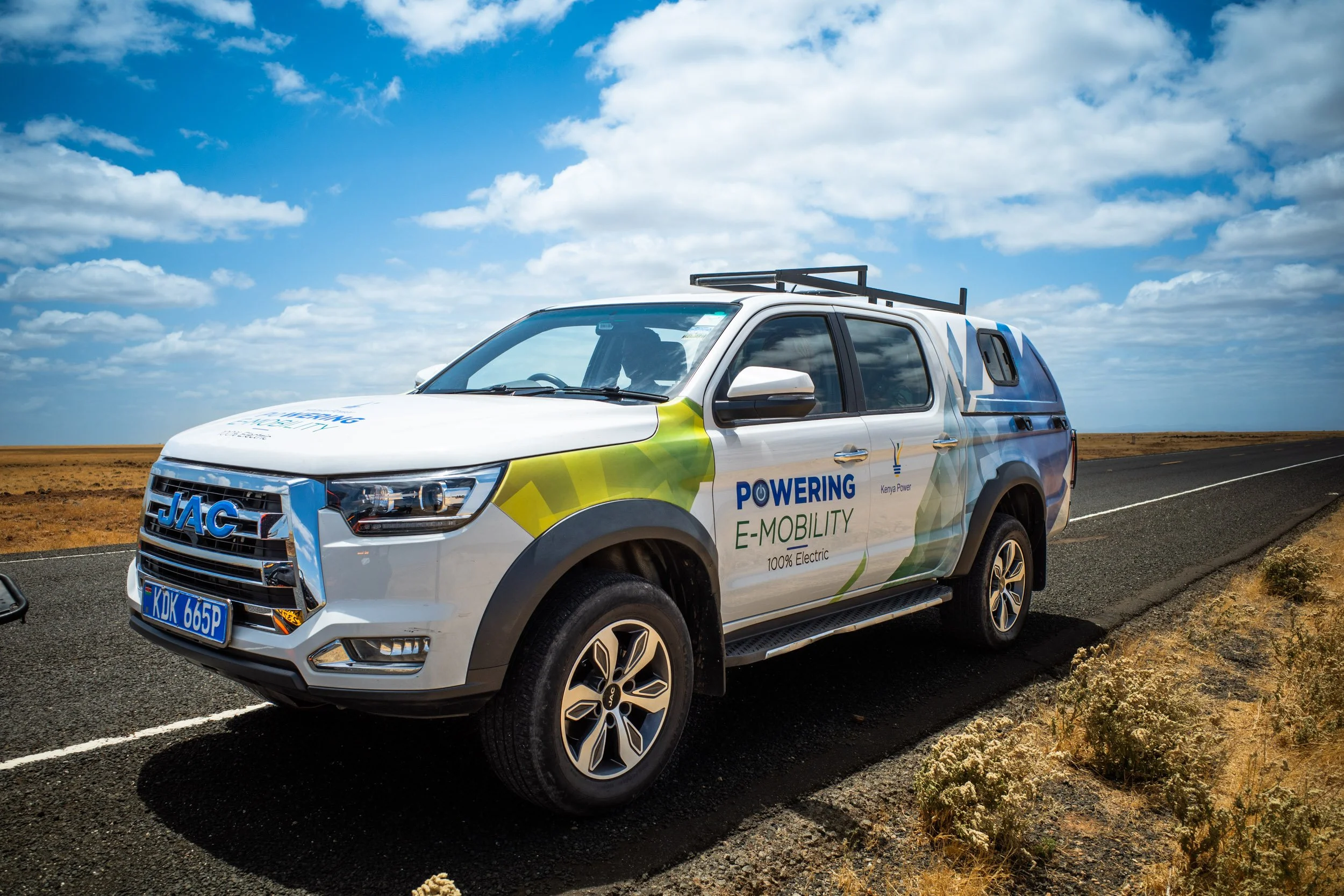
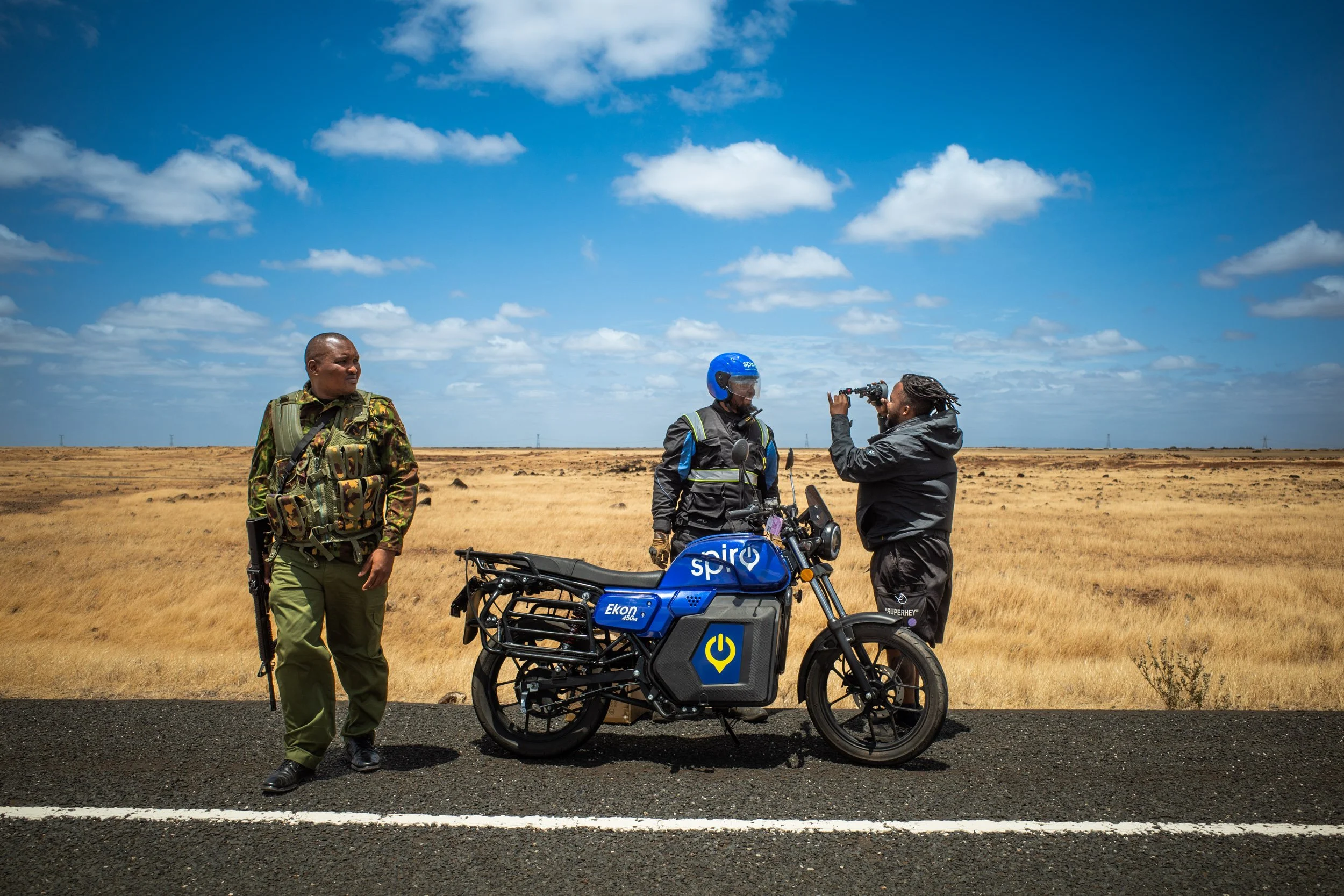
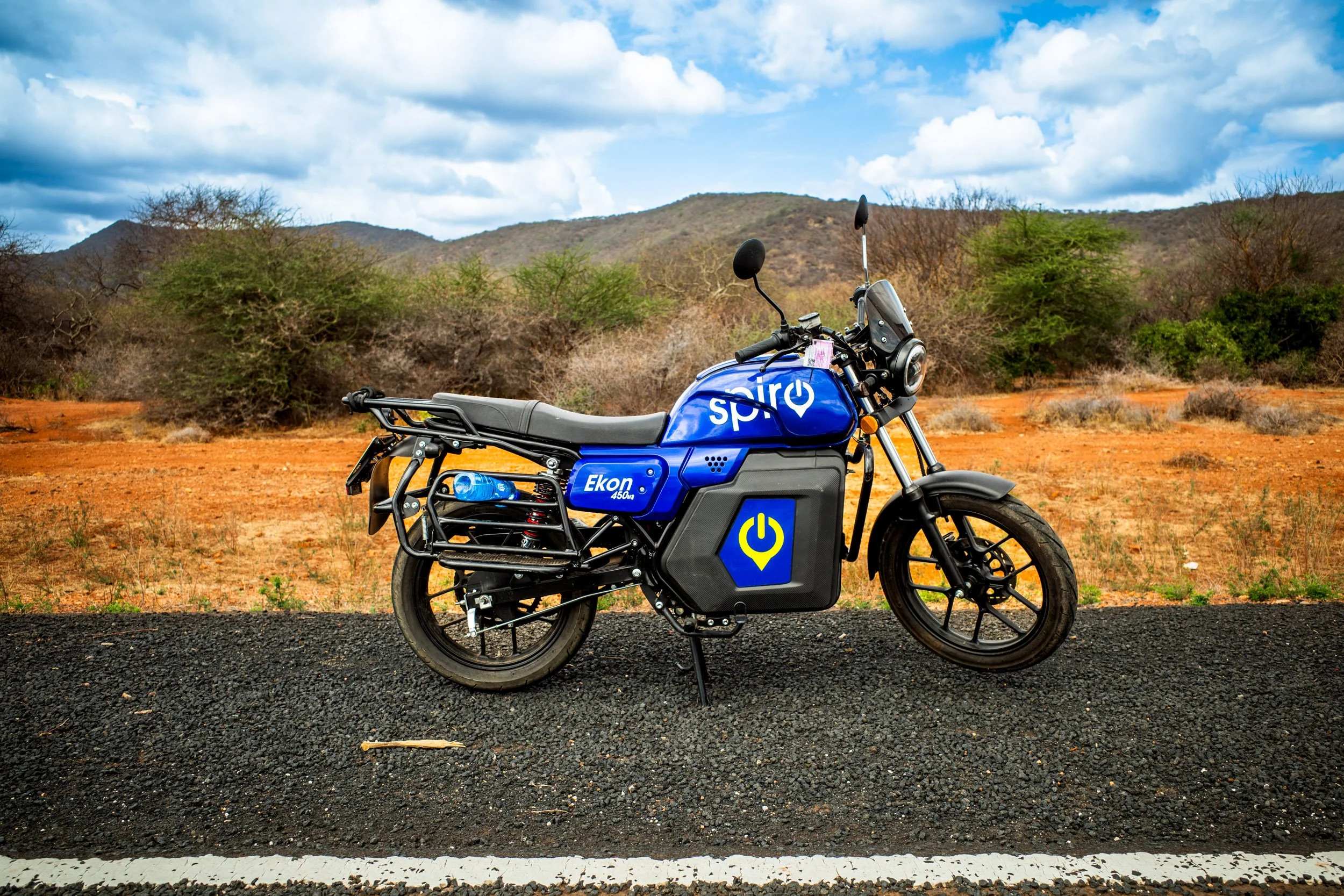
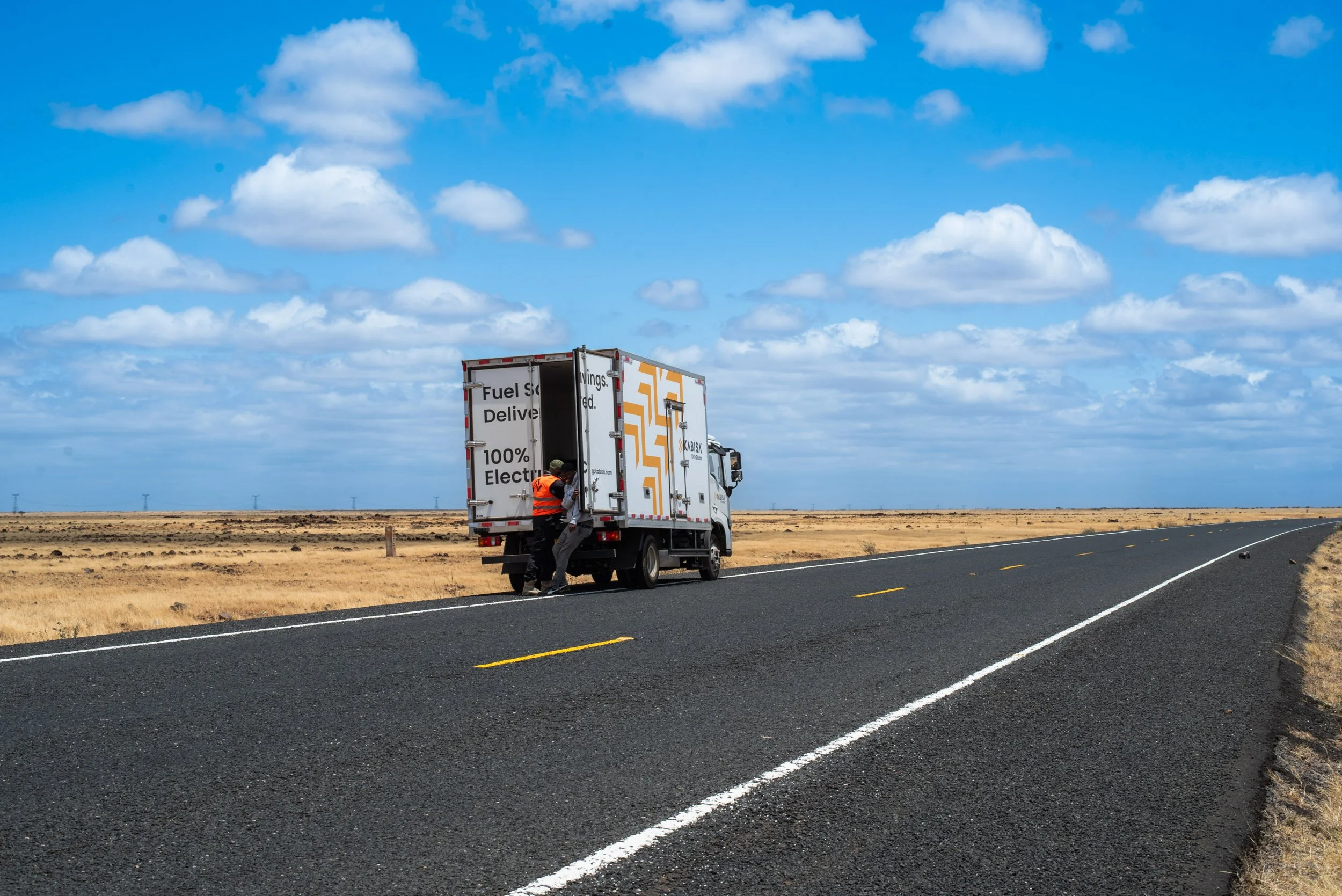
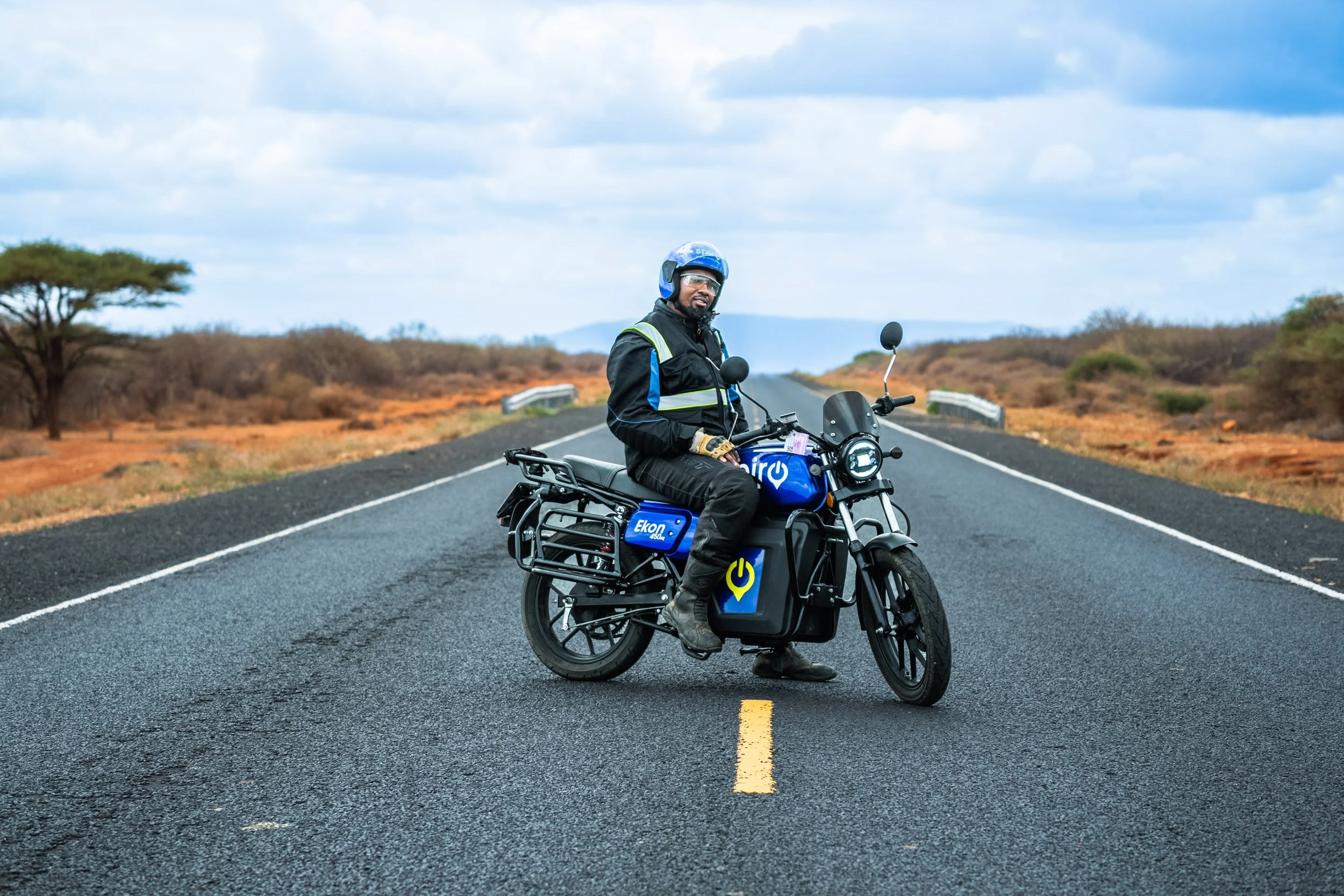
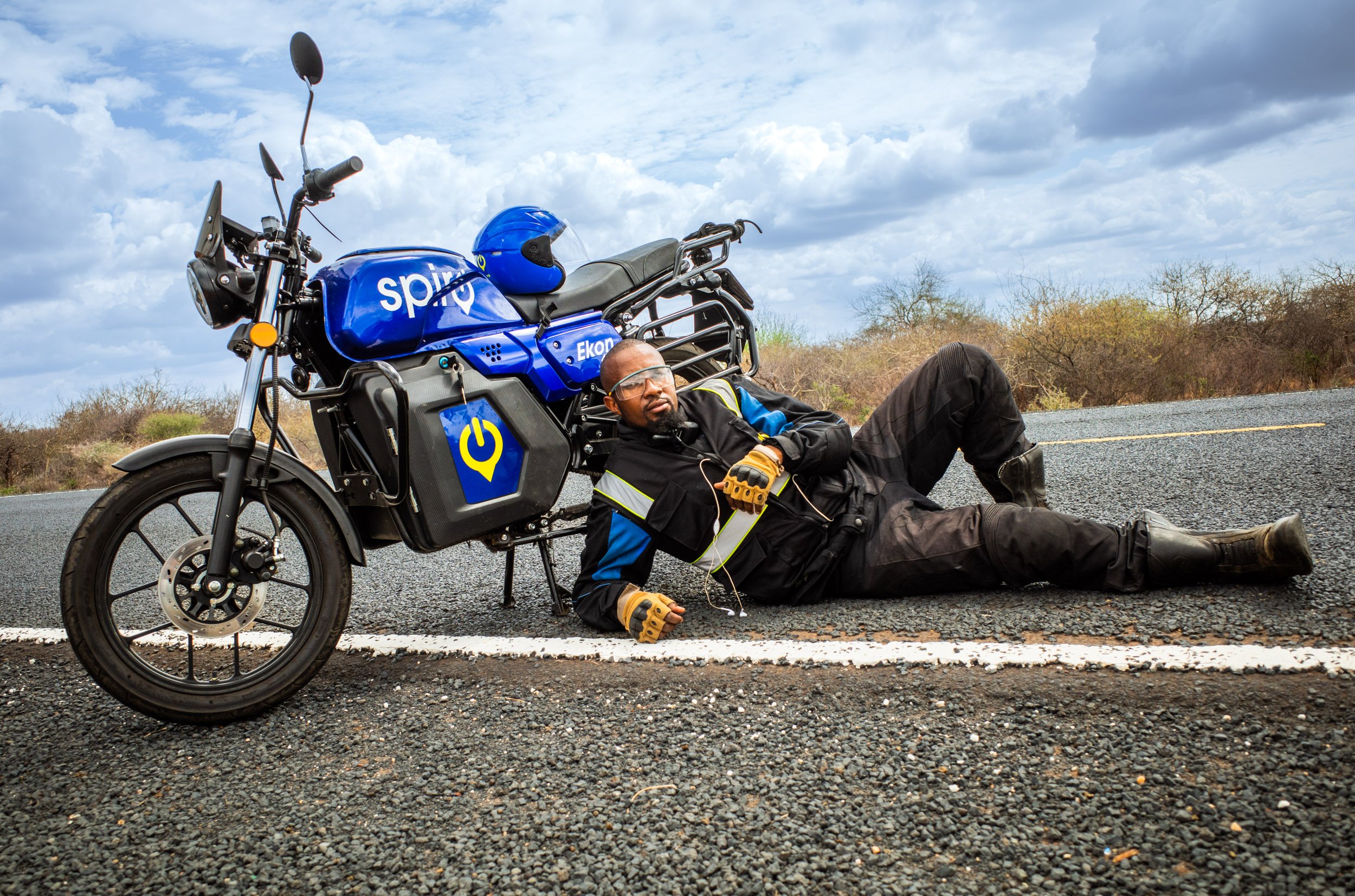
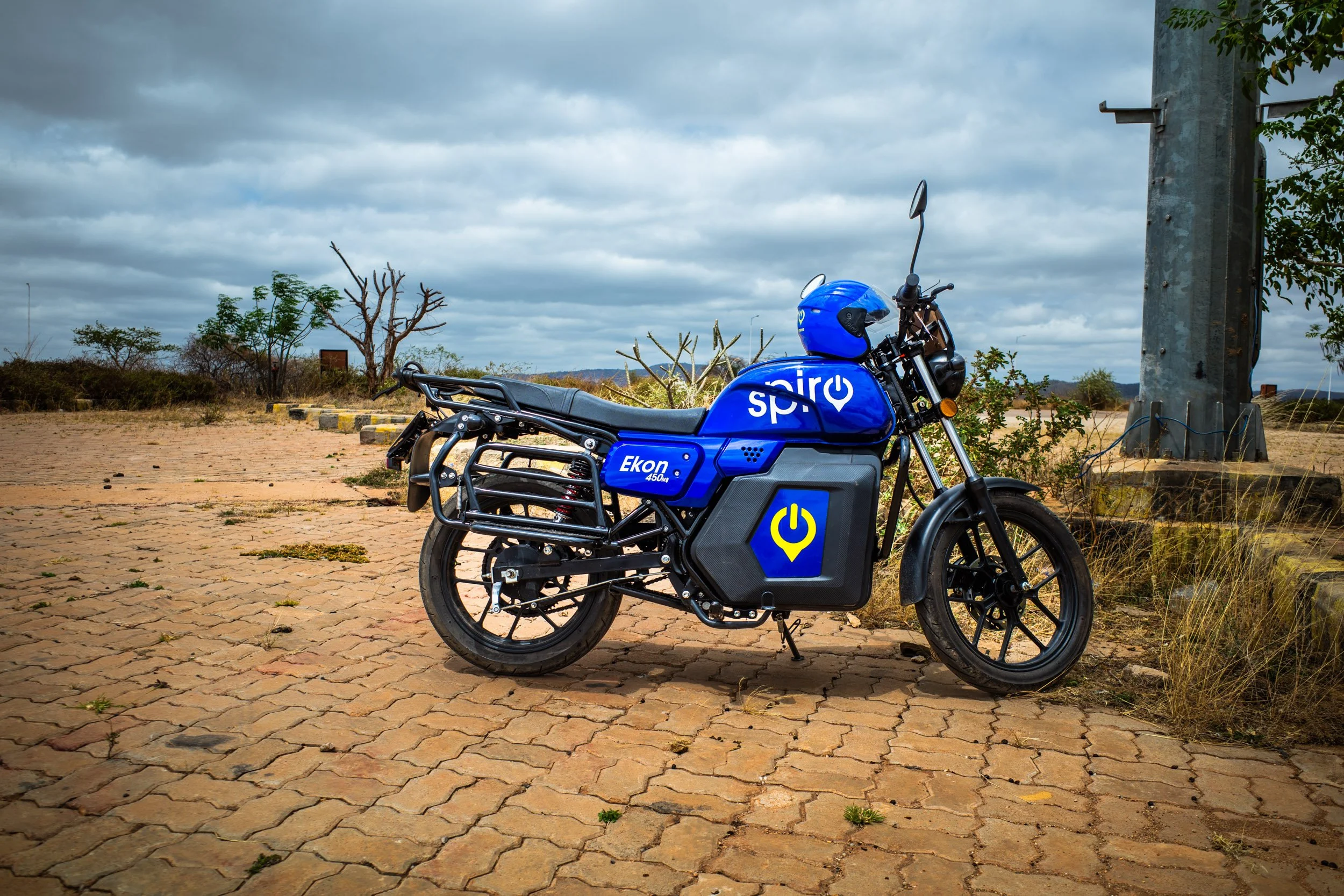
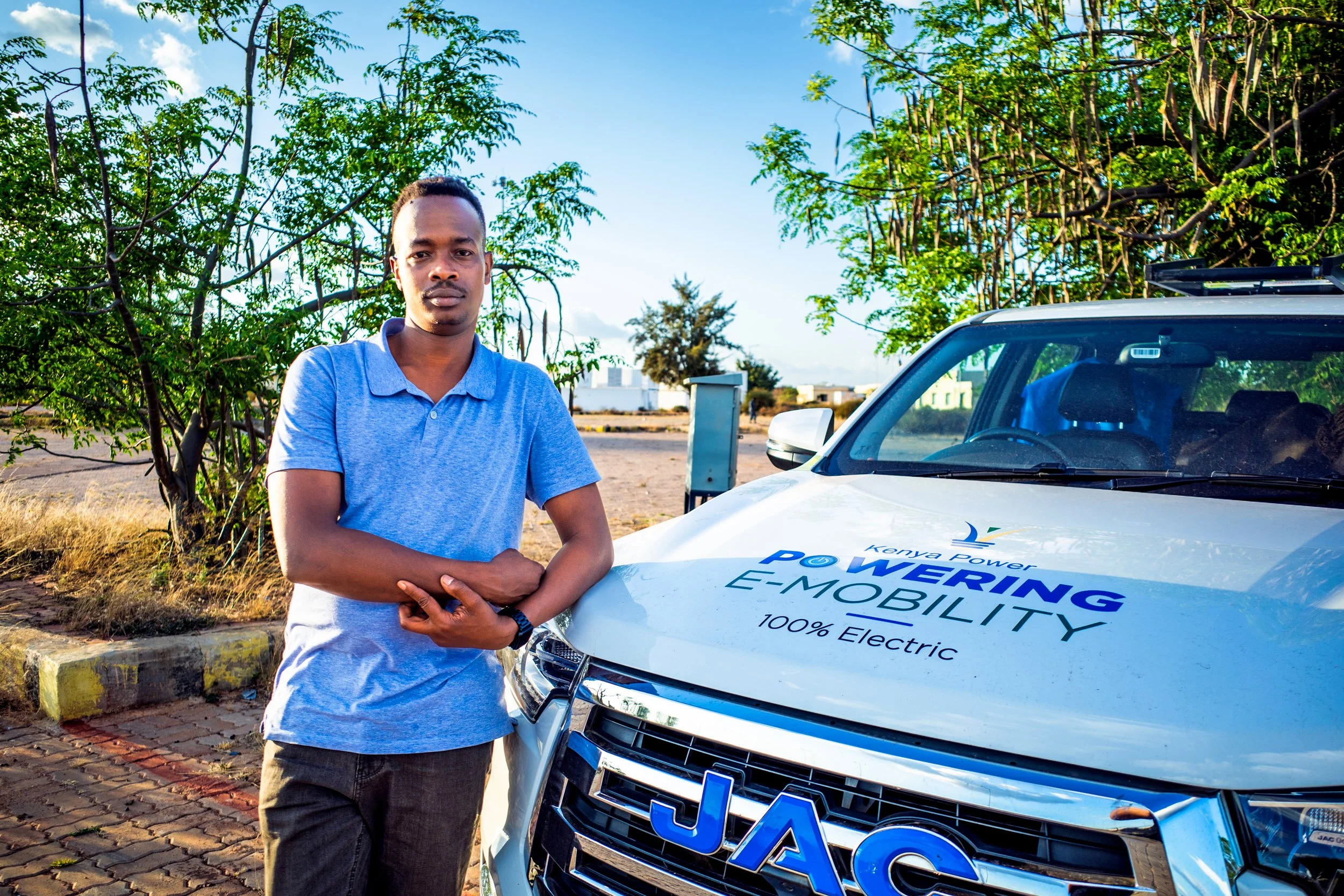
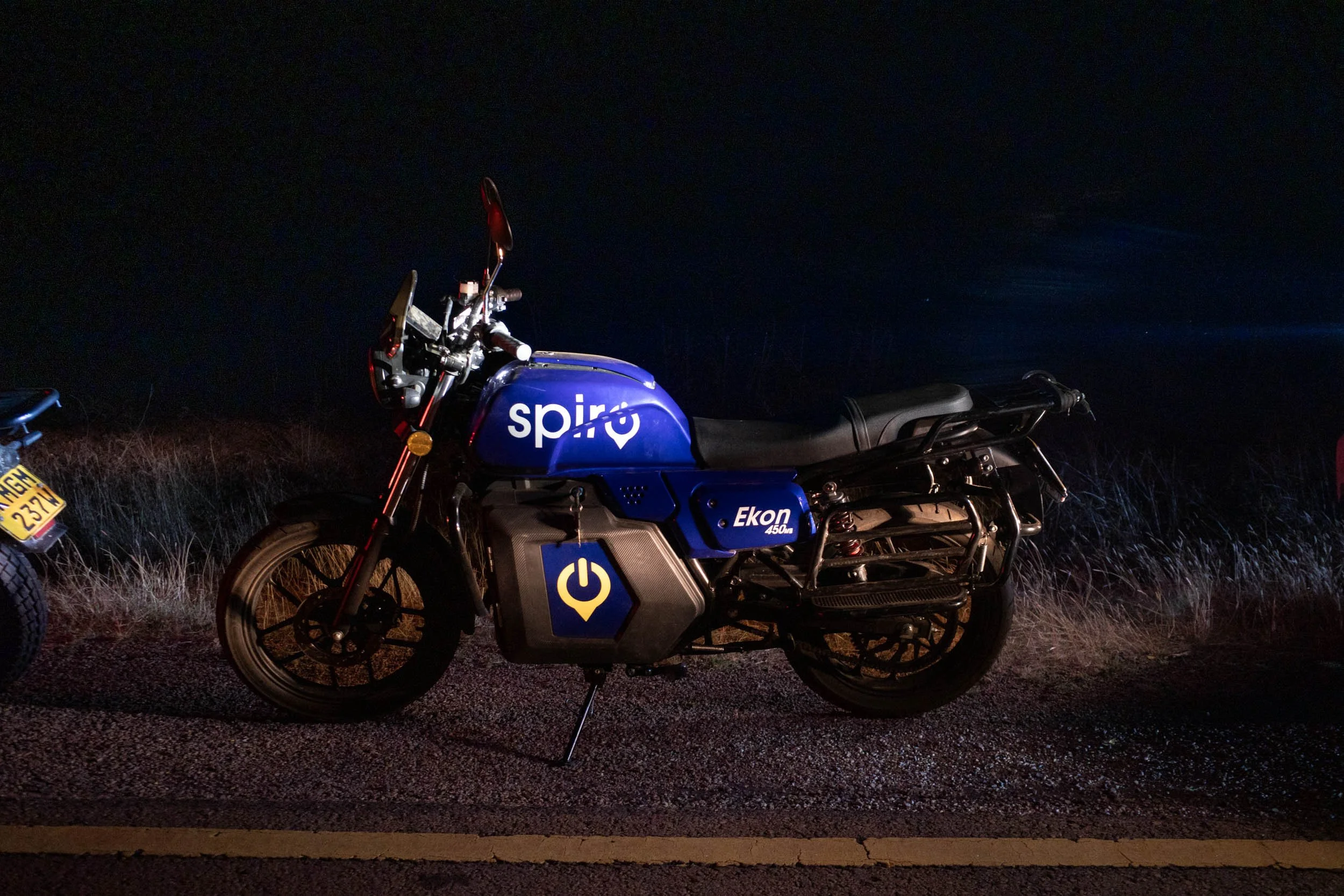
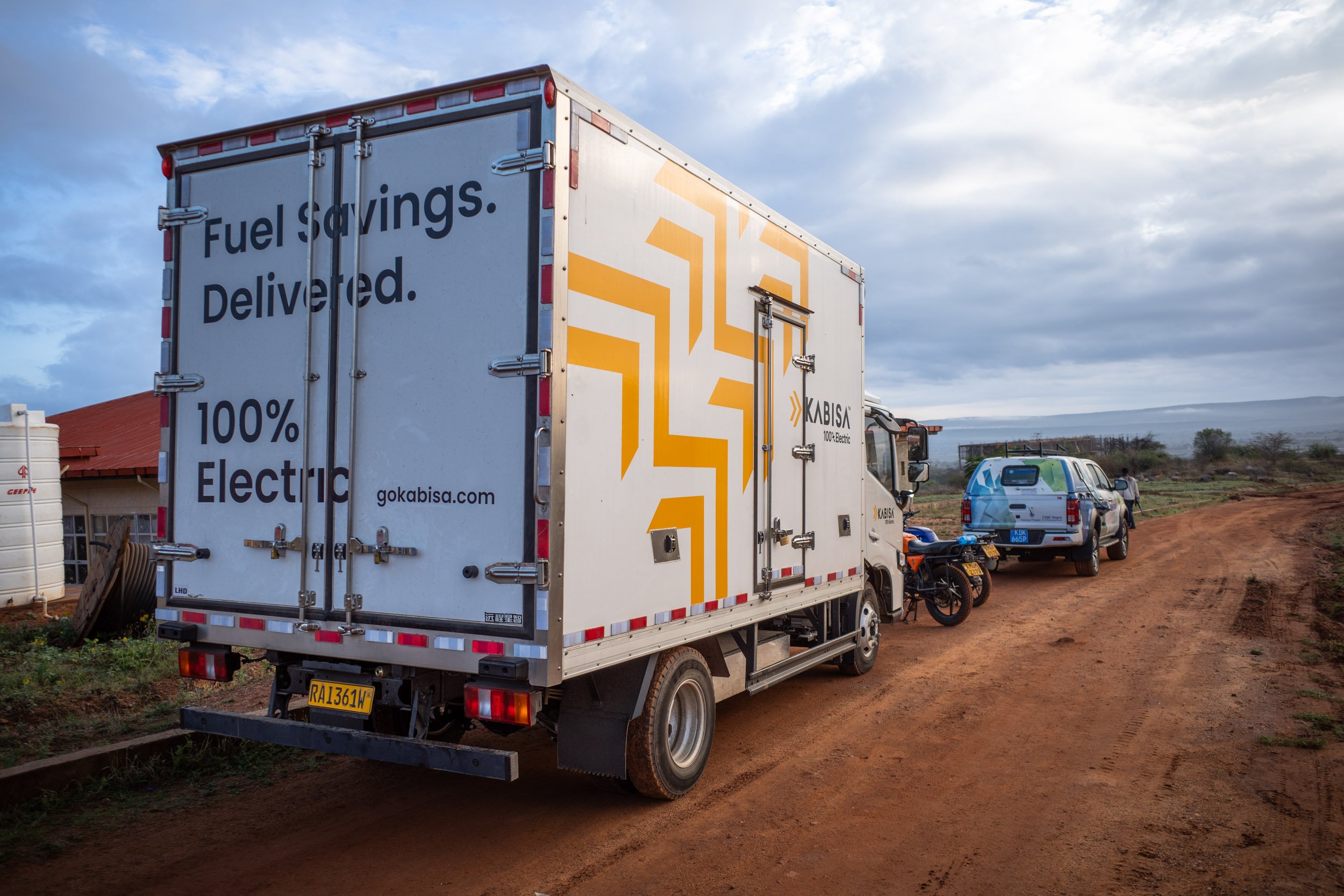
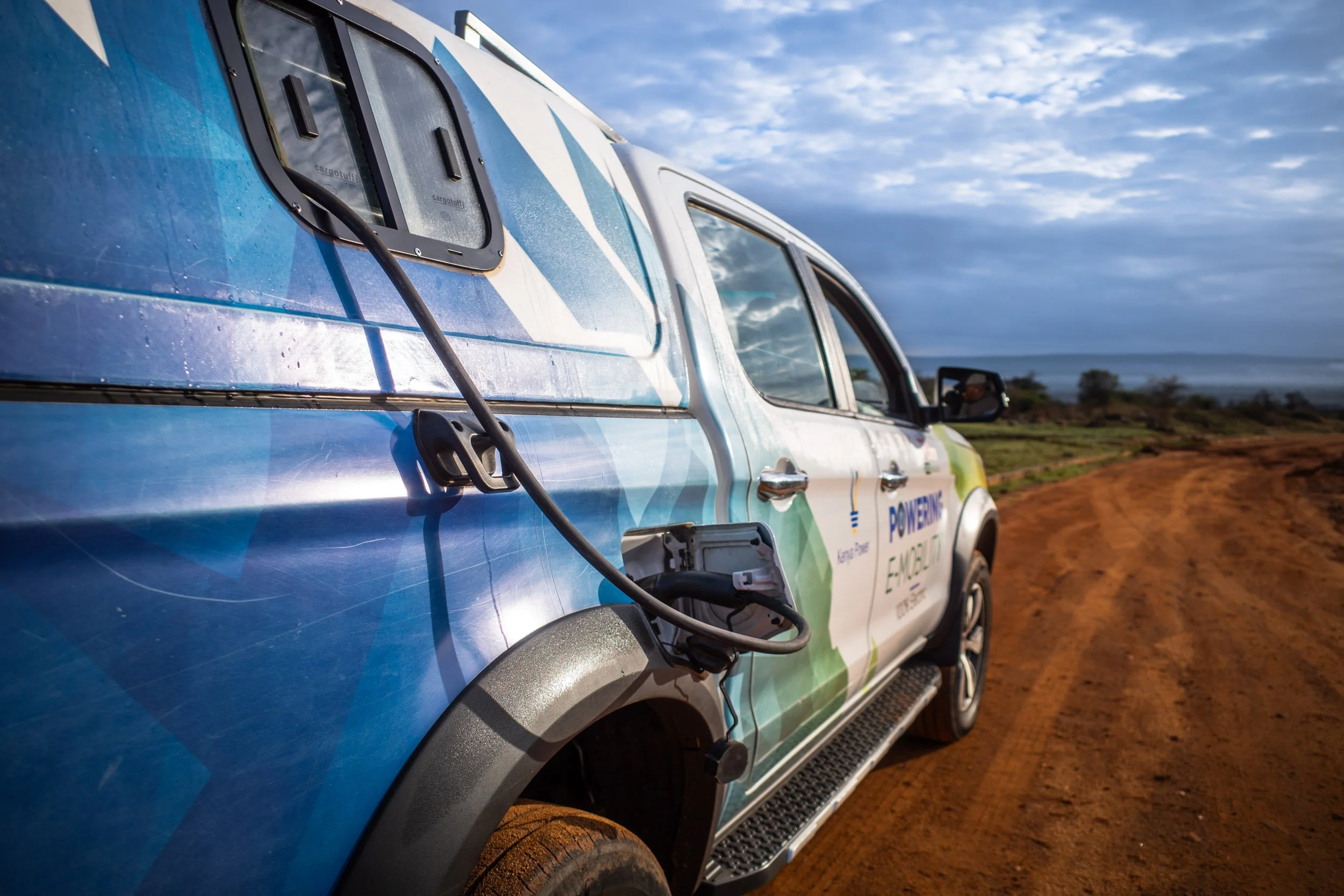
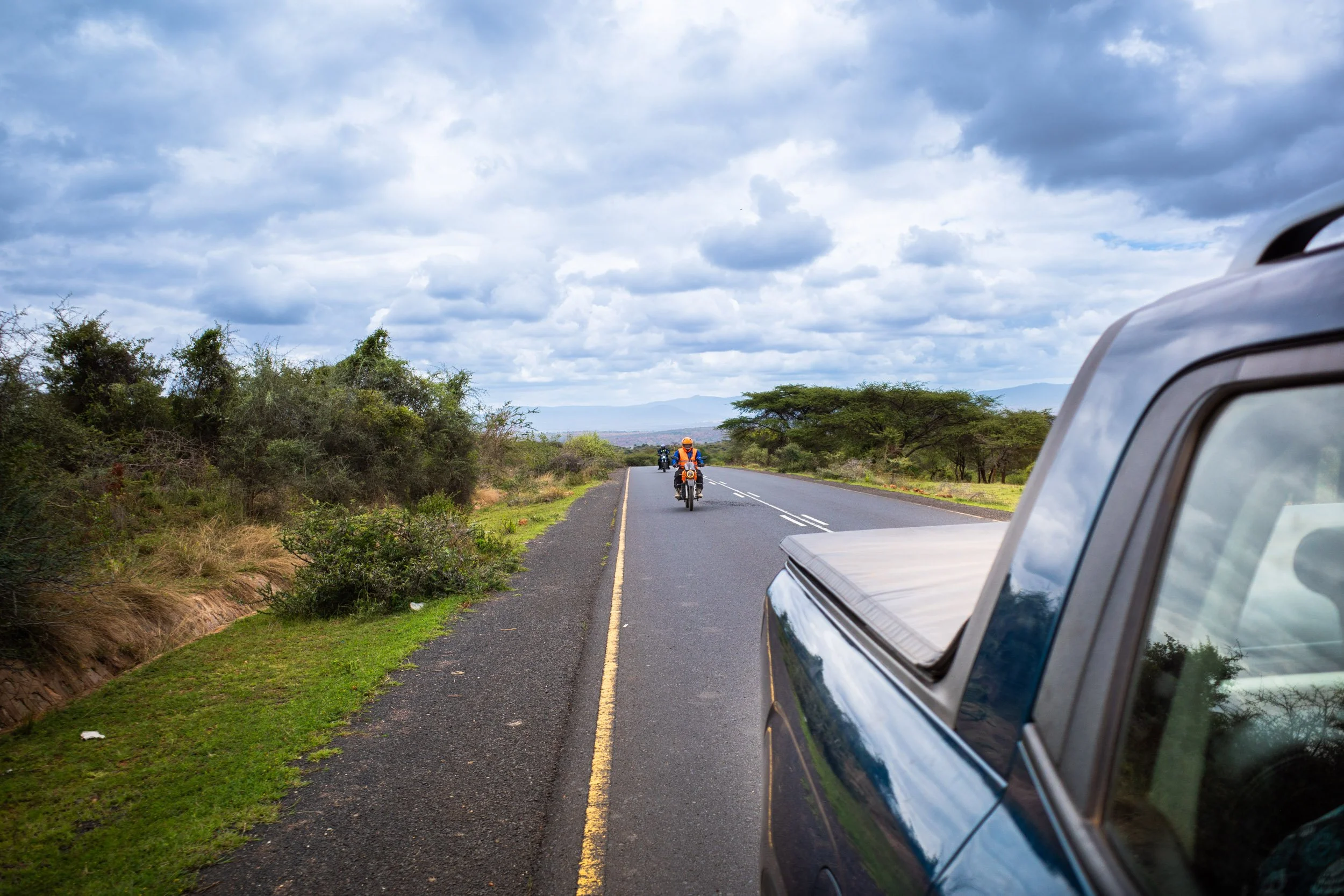
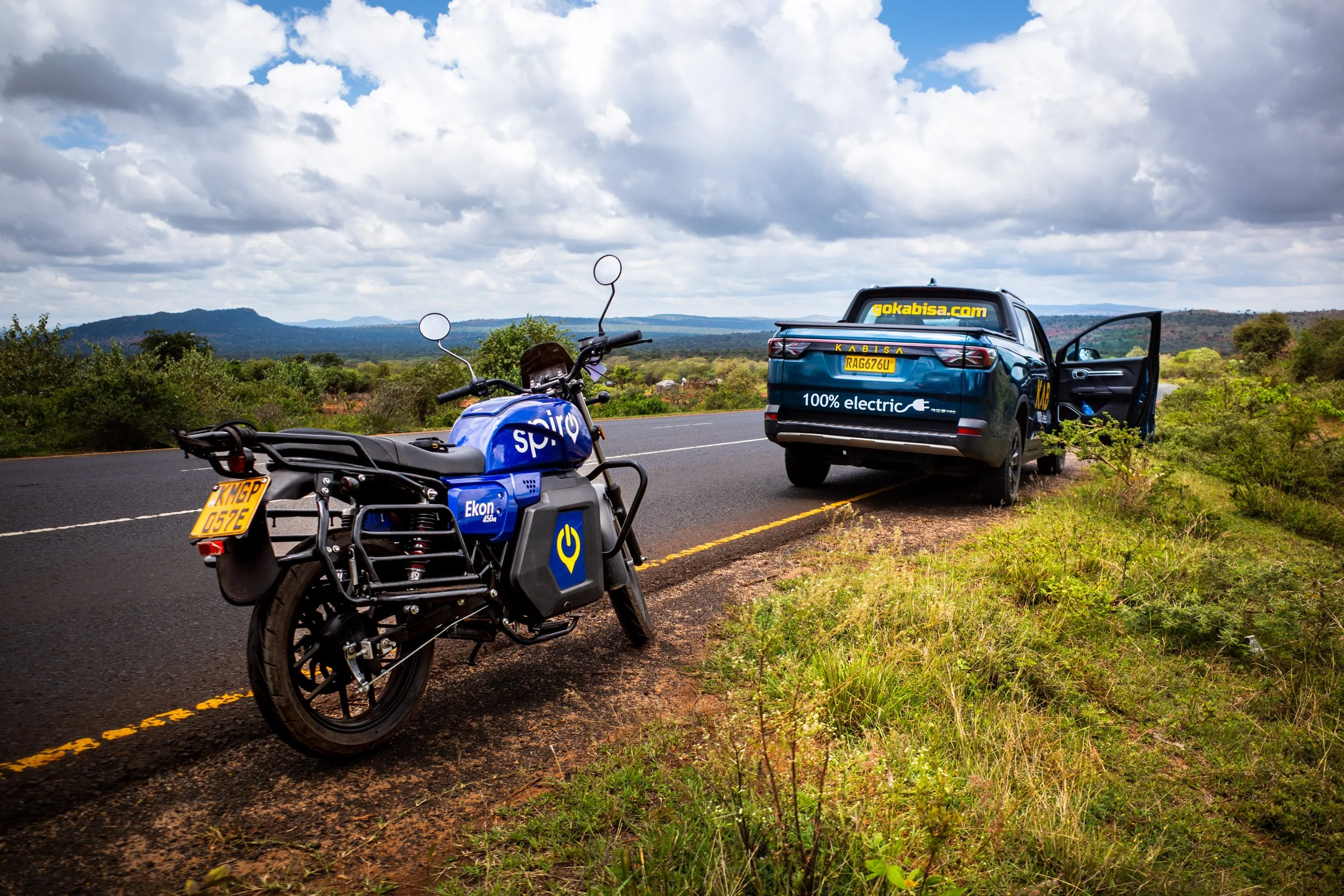
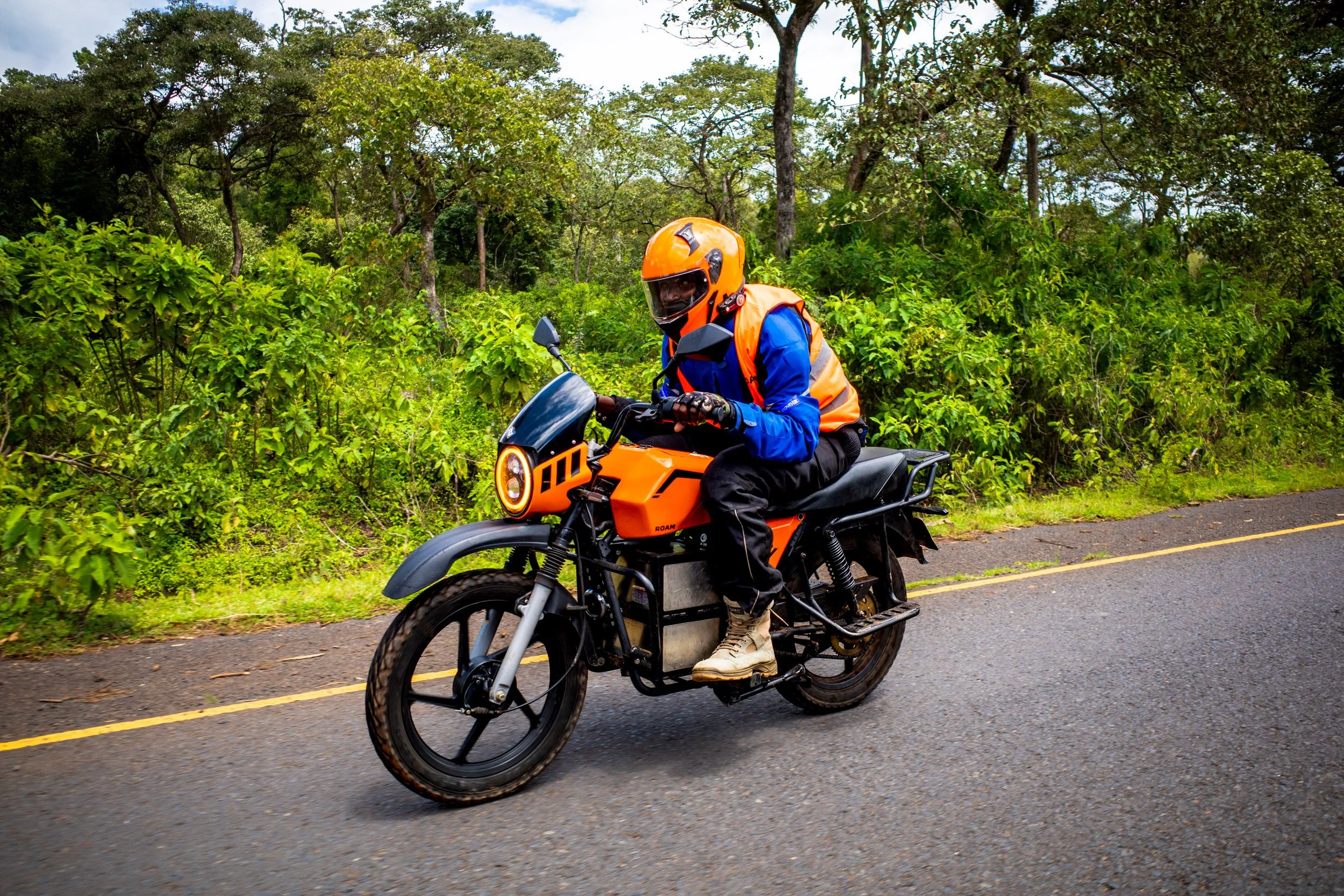
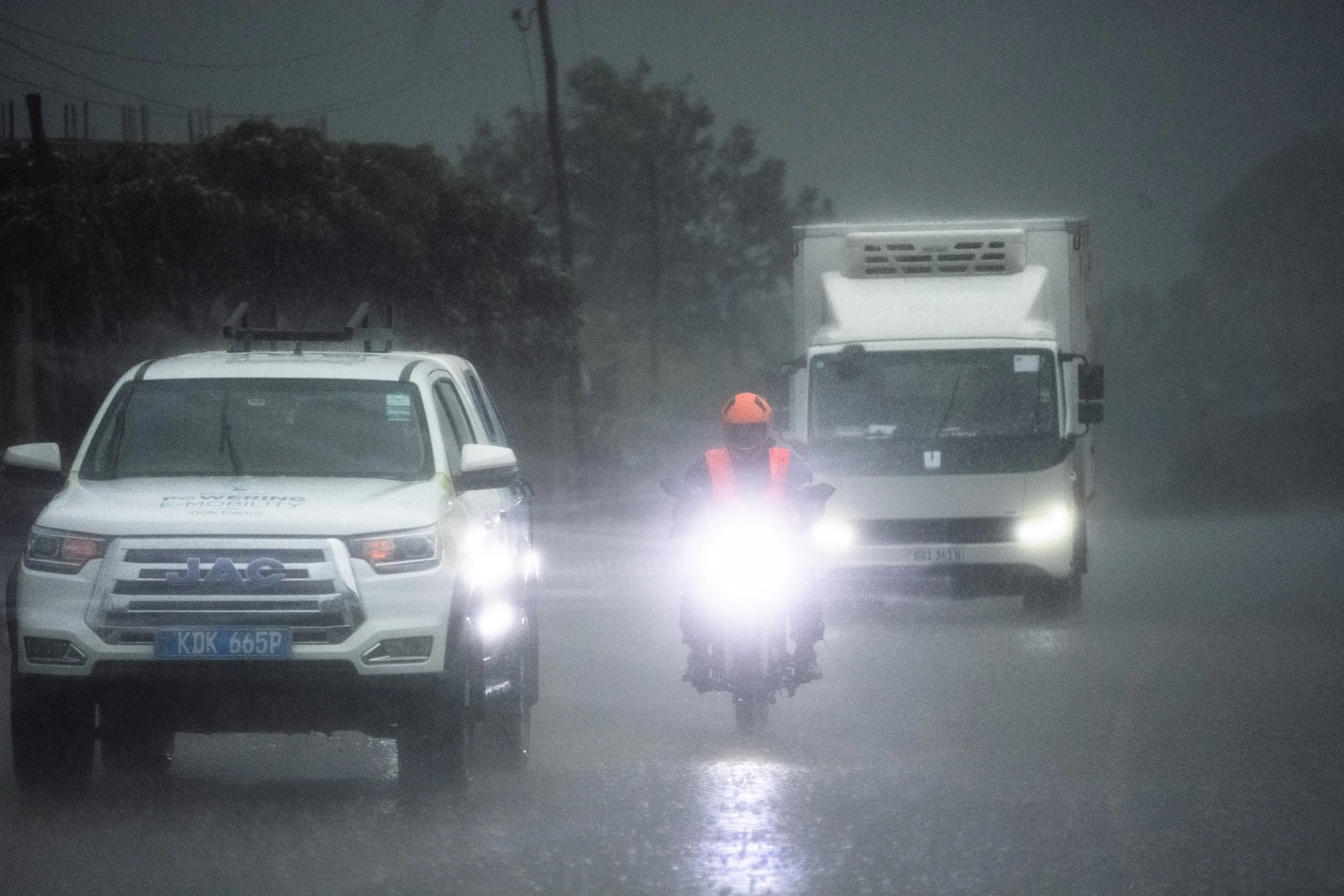
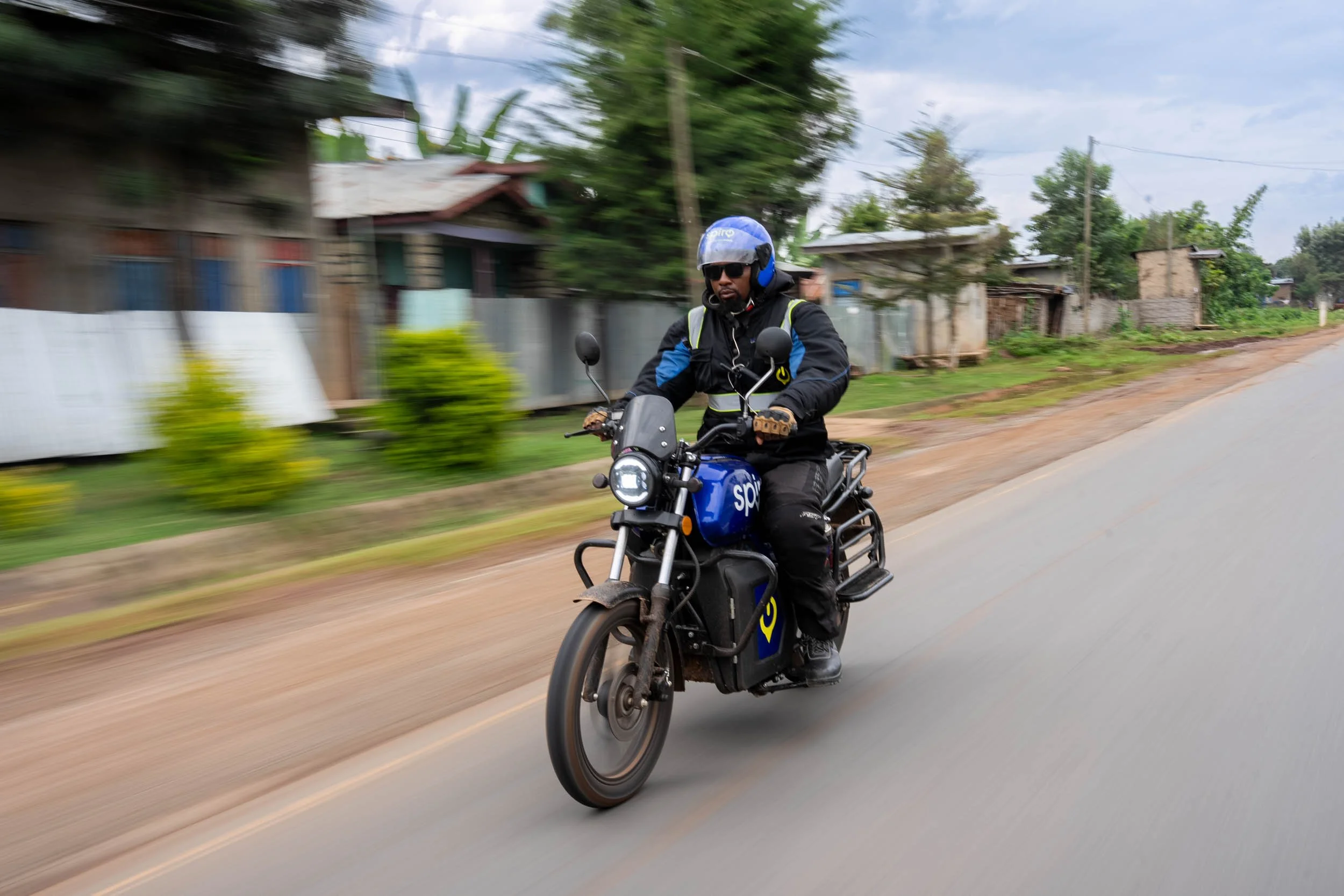
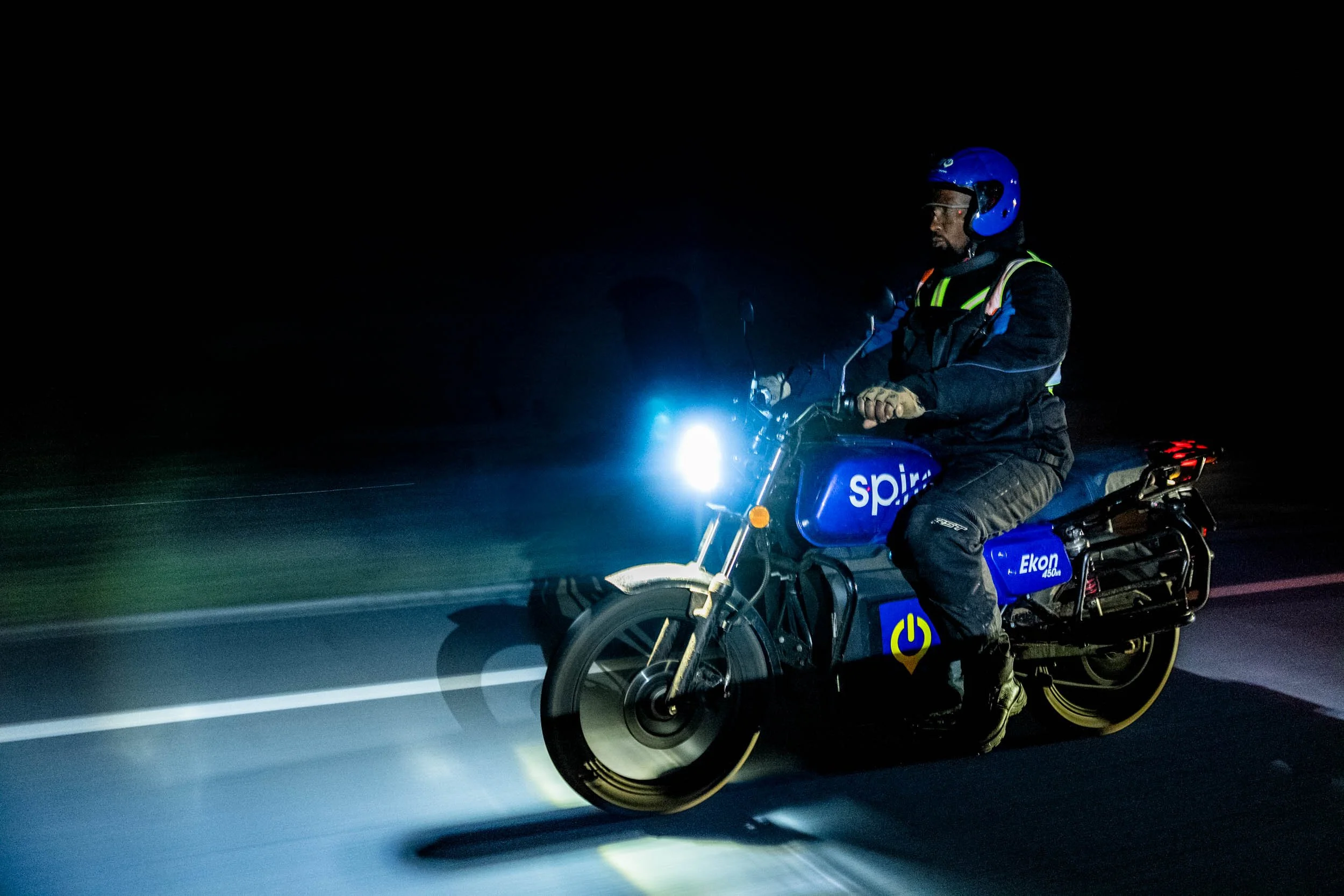
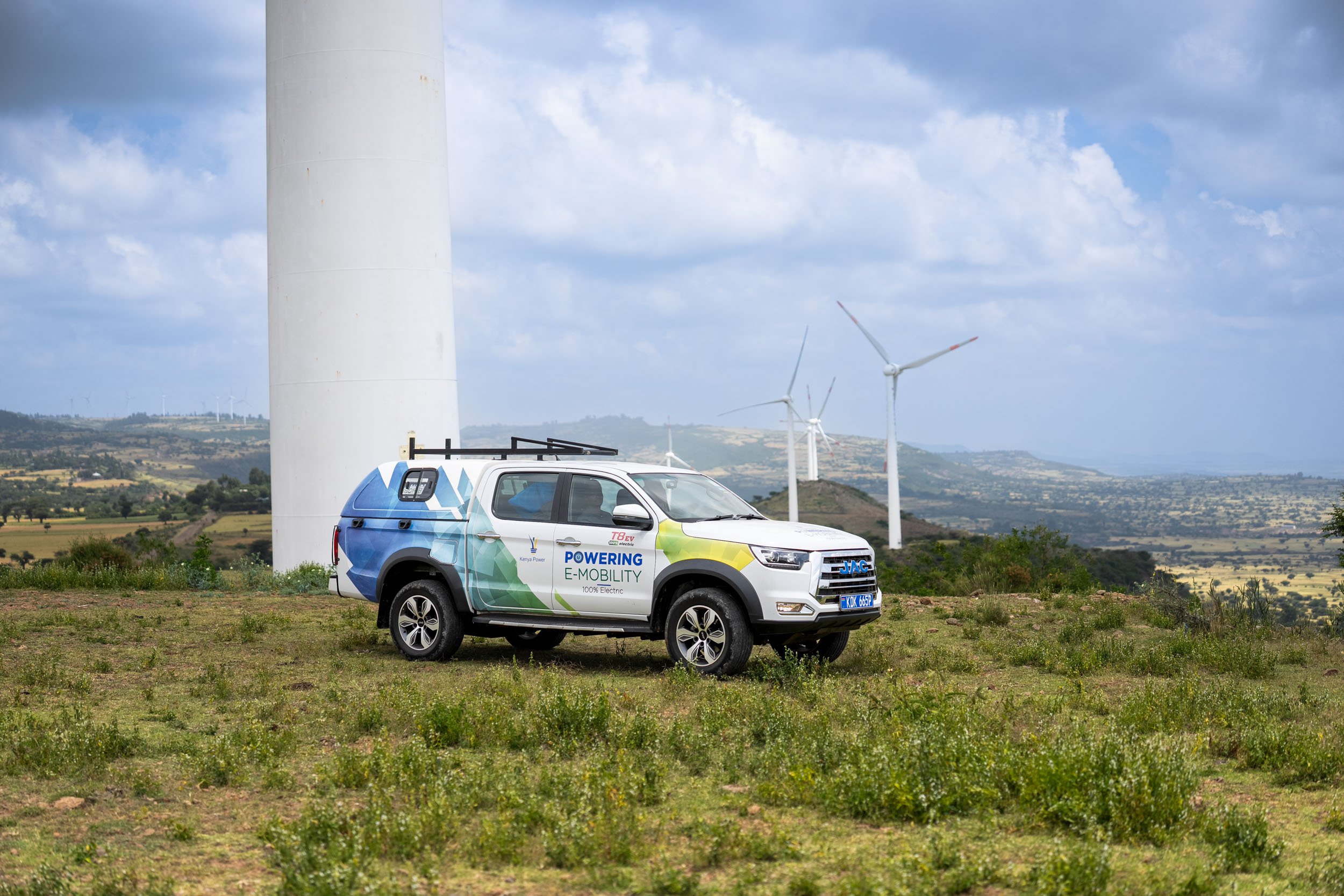
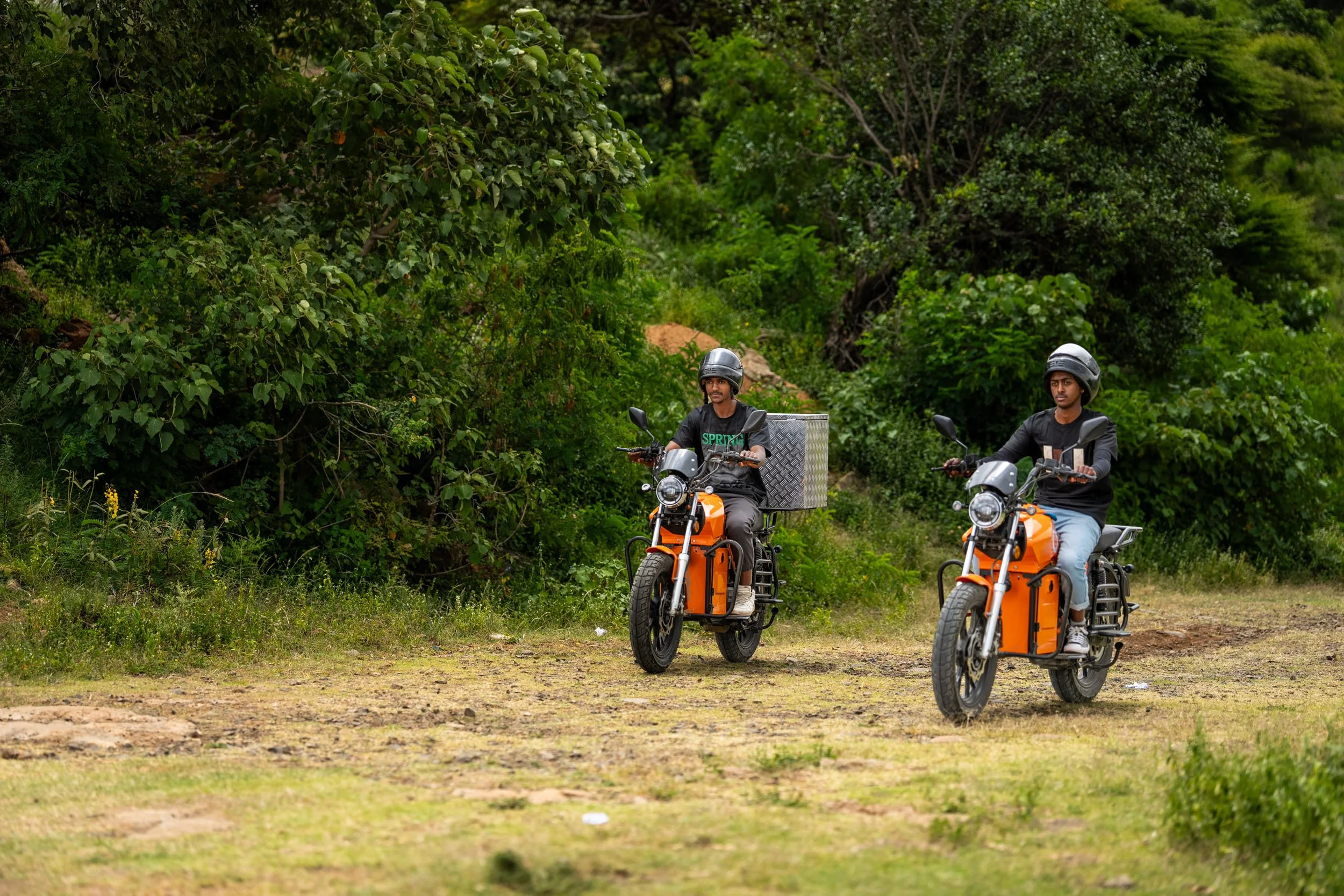
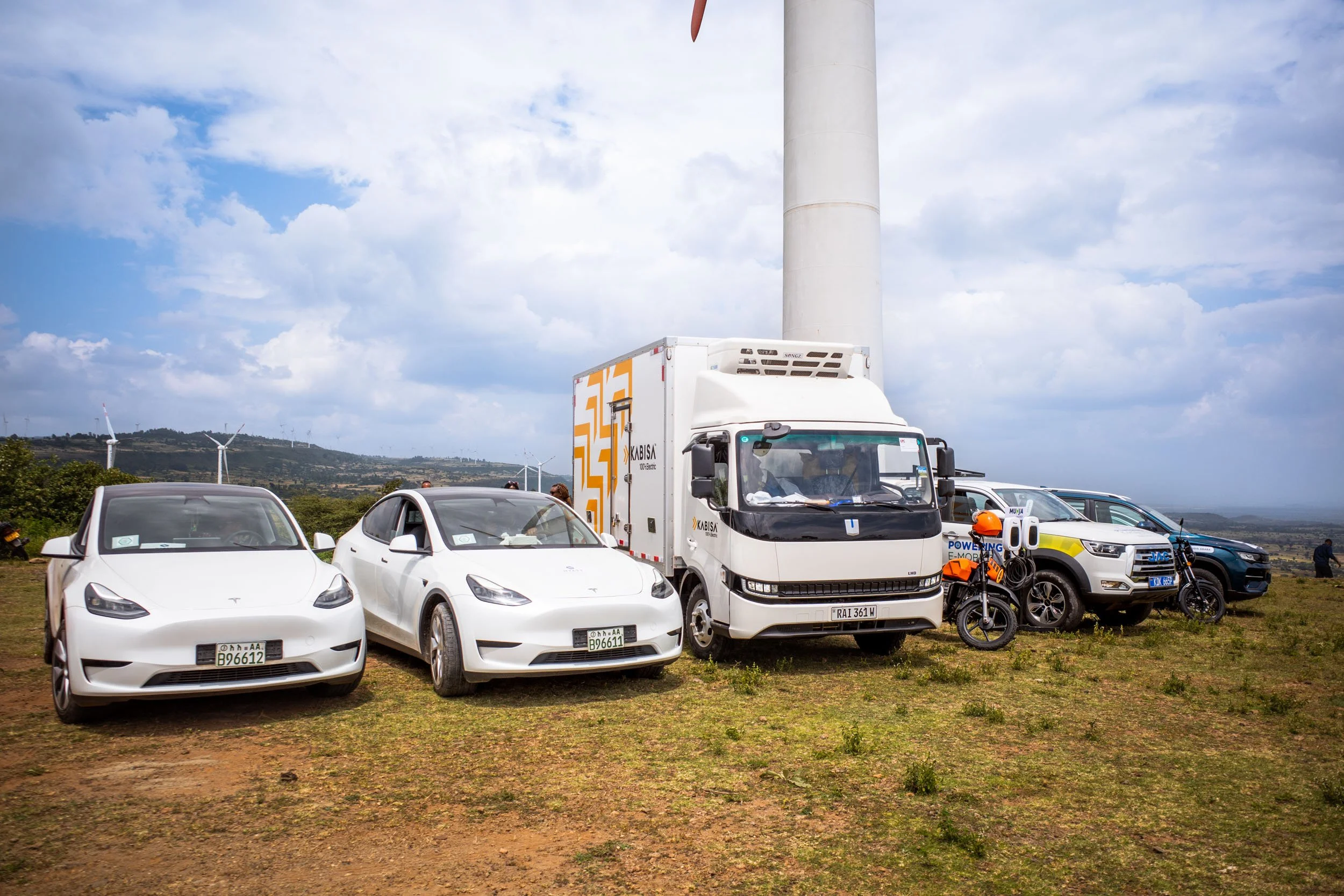
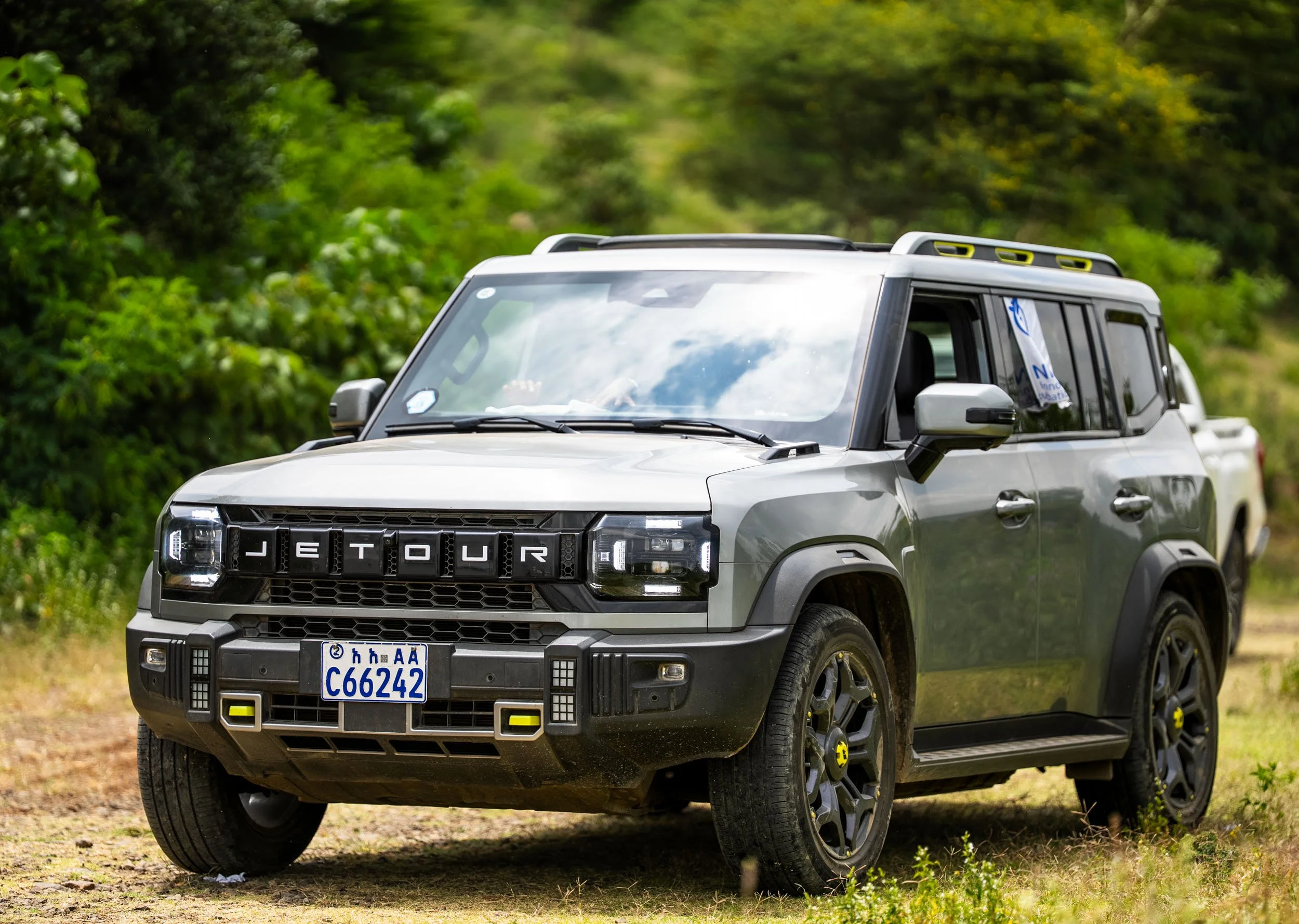
The final convoy configuration mattered. Two electric pickups, an electric truck, and two electric motorbikes allowed the team to test different use cases and charging requirements side by side.
As one partner said on camera, if the journey had to be described in one word, it was “record breaking.” Not as a marketing slogan, but as a factual line in the sand: no one had taken a fully electric convoy across this corridor before.
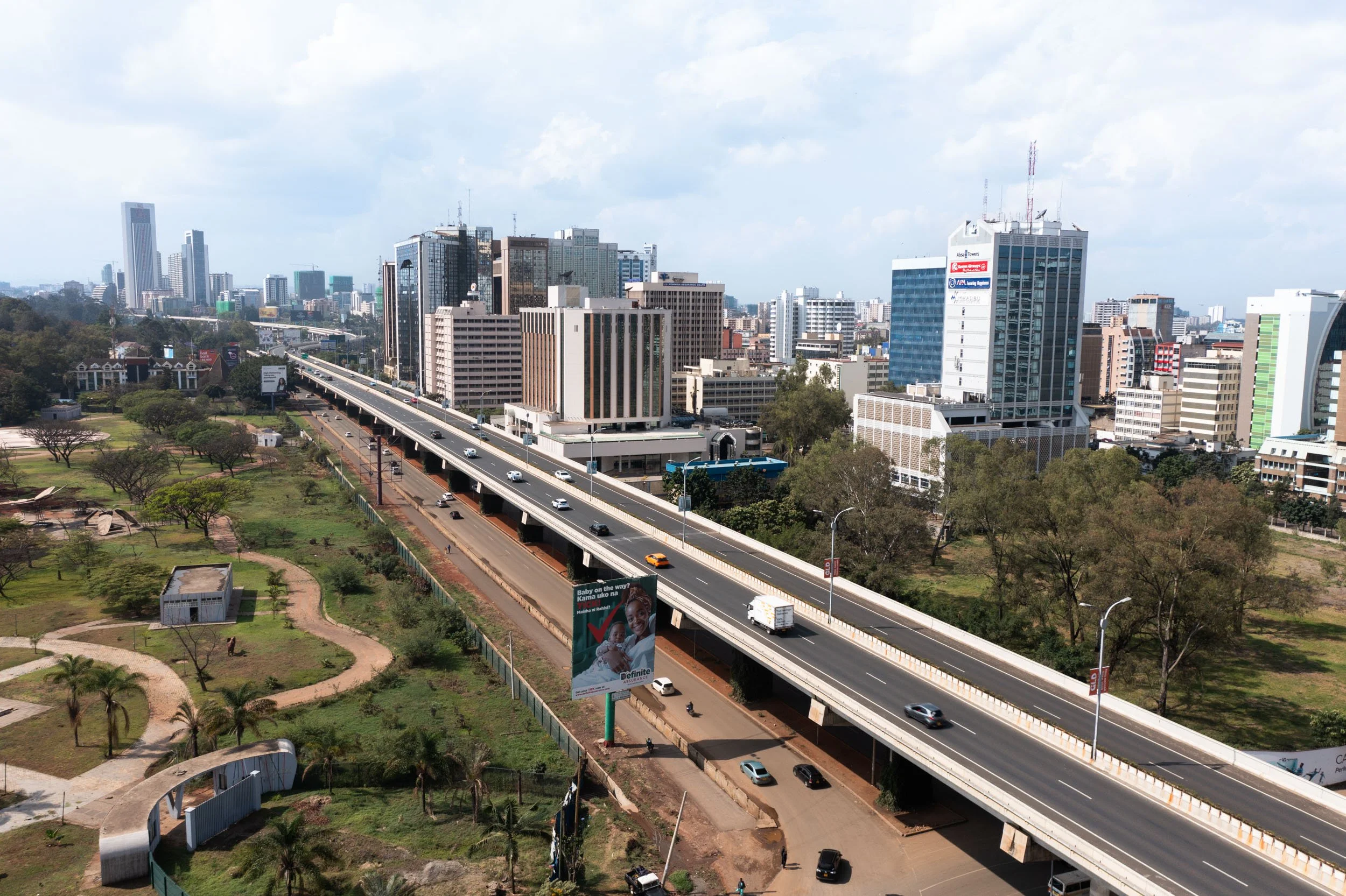
Day One: Nairobi to Nanyuki 192 km
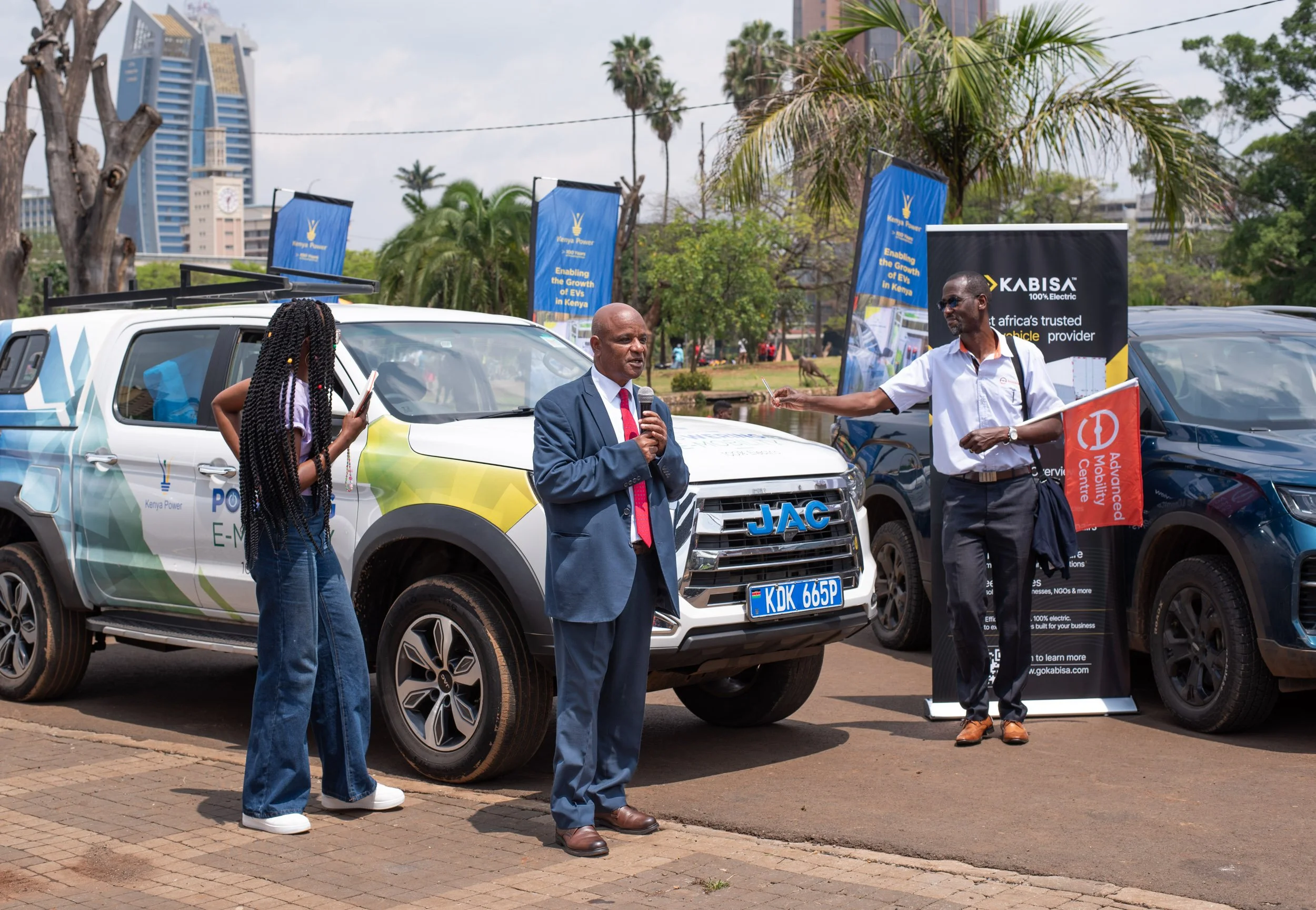
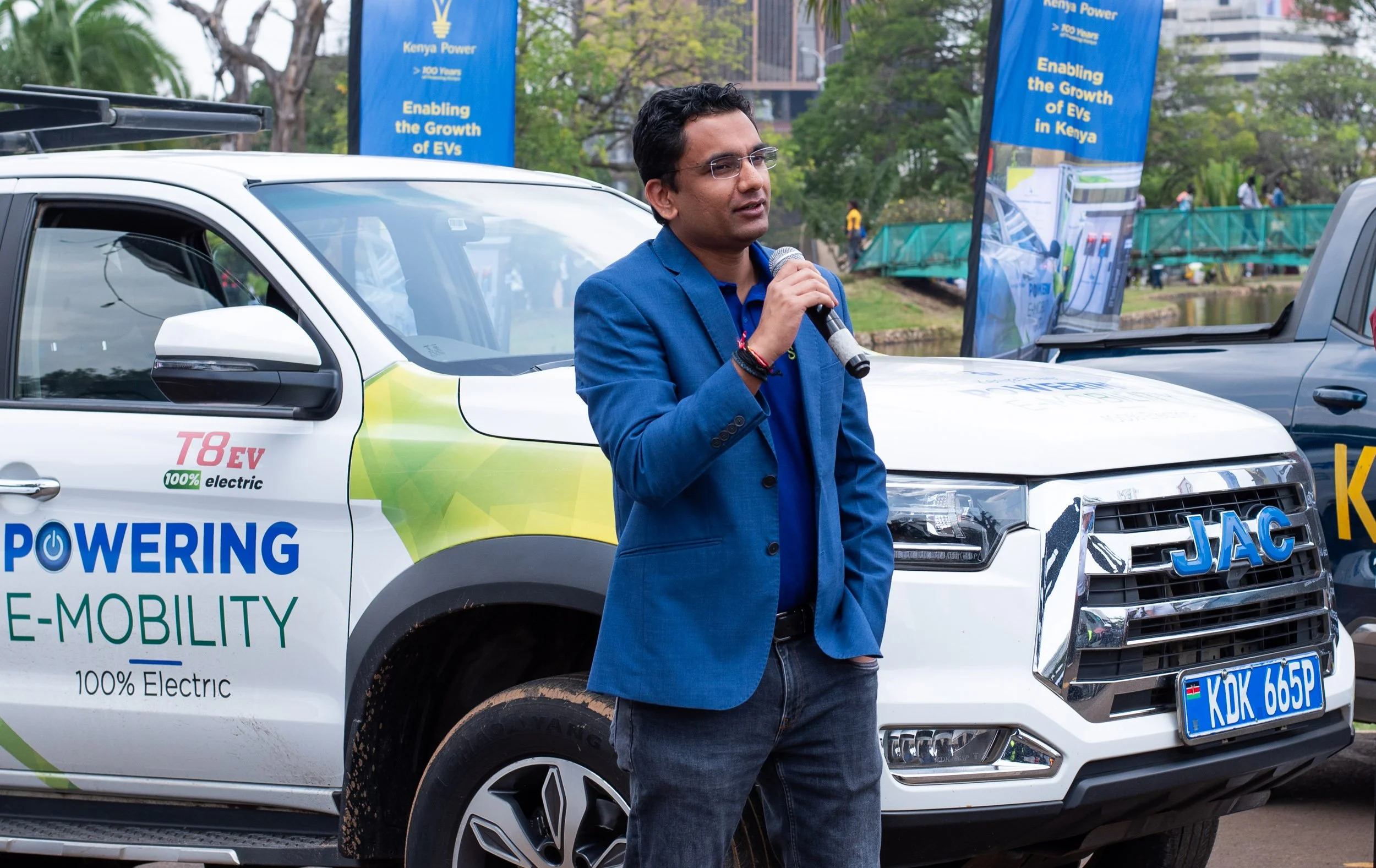
The journey began at Uhuru Park in Nairobi with a public flag-off that set the tone. People gathered around the vehicles with real questions. How far can they go? How do you charge them? Is it cheaper? Will you actually make it to Addis?
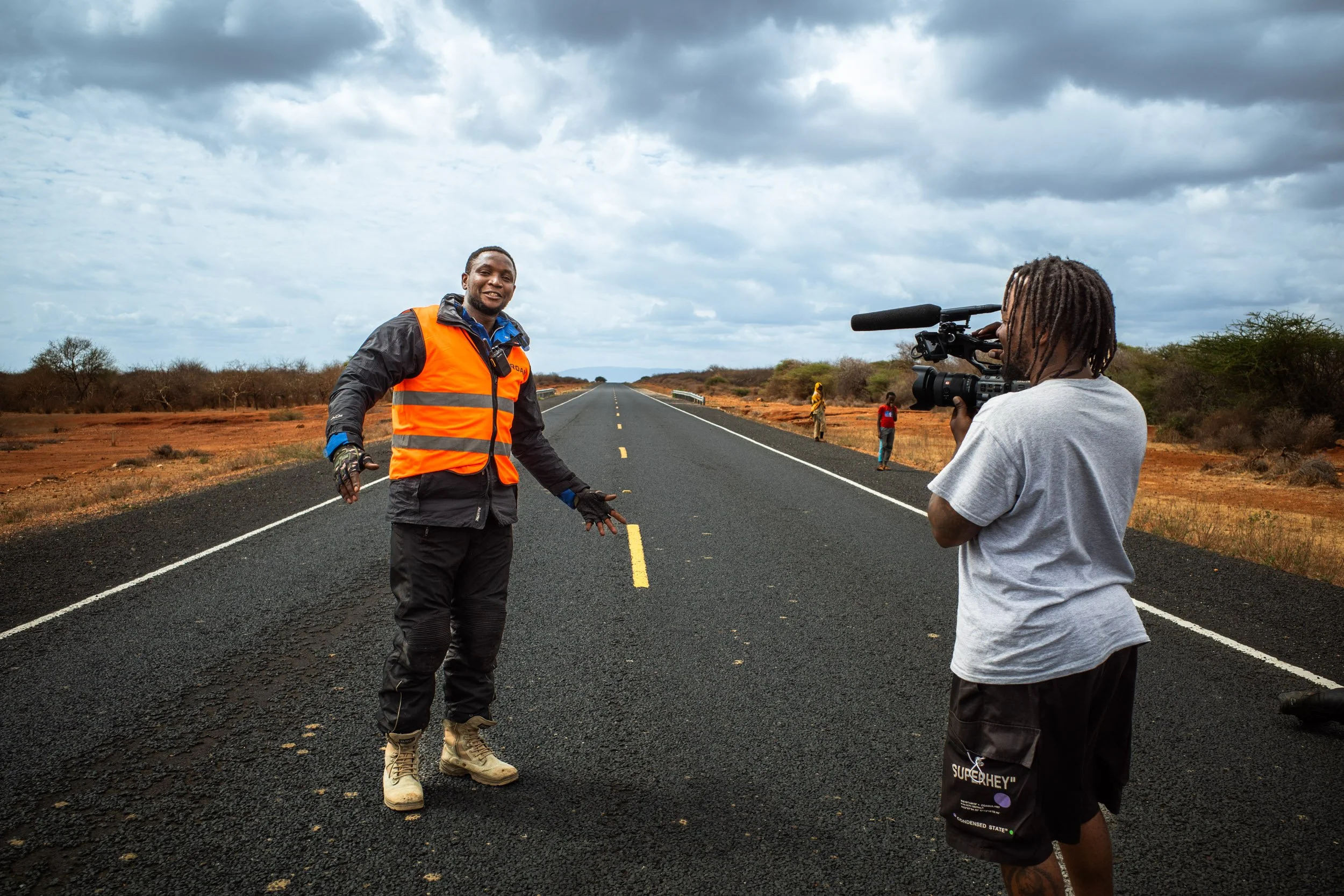
For some in the crew, it was a day of firsts: first time on such a long expedition, first time driving an EV, first time stepping out from behind the camera. As the convoy left central Nairobi and headed north, it became a real test.
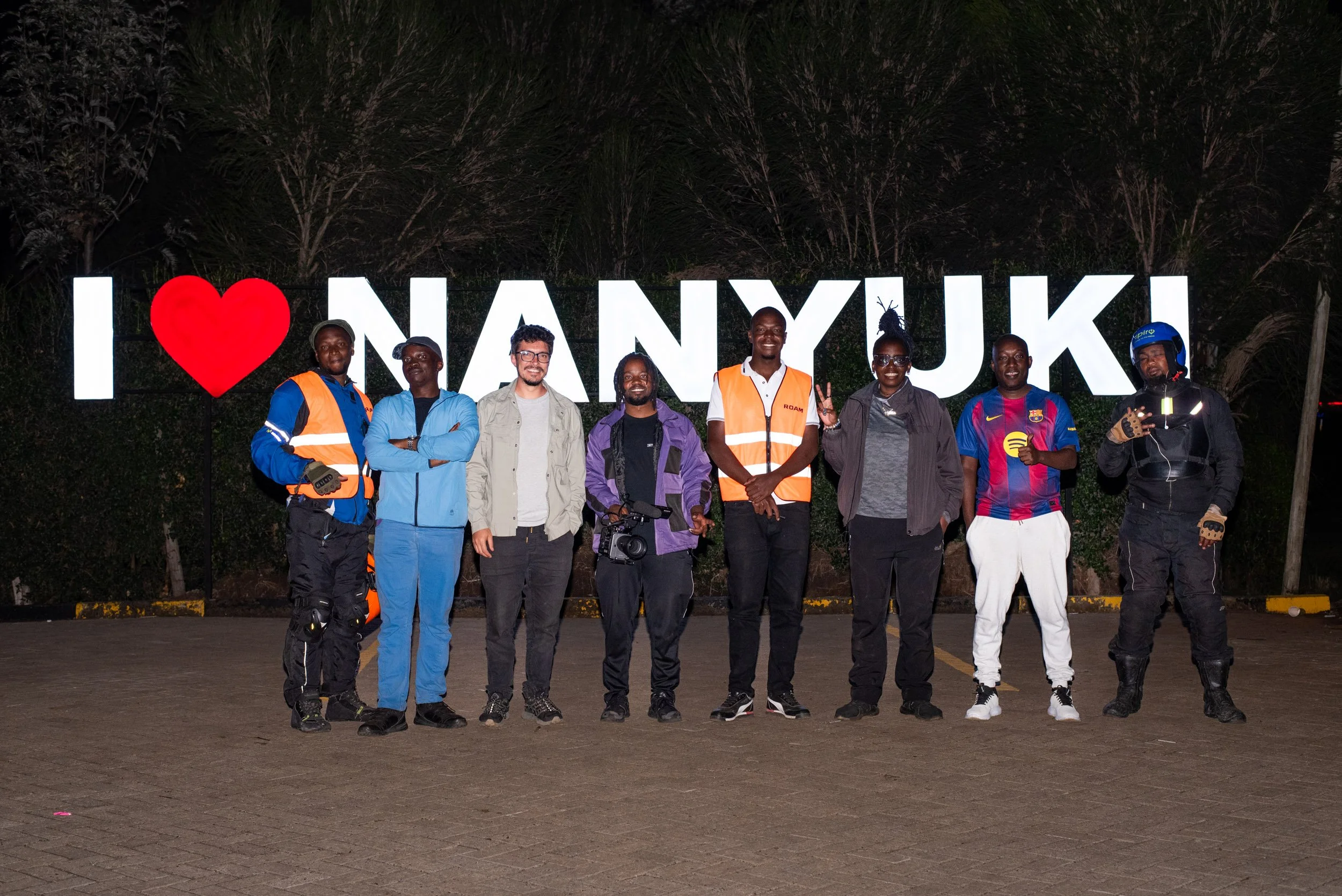
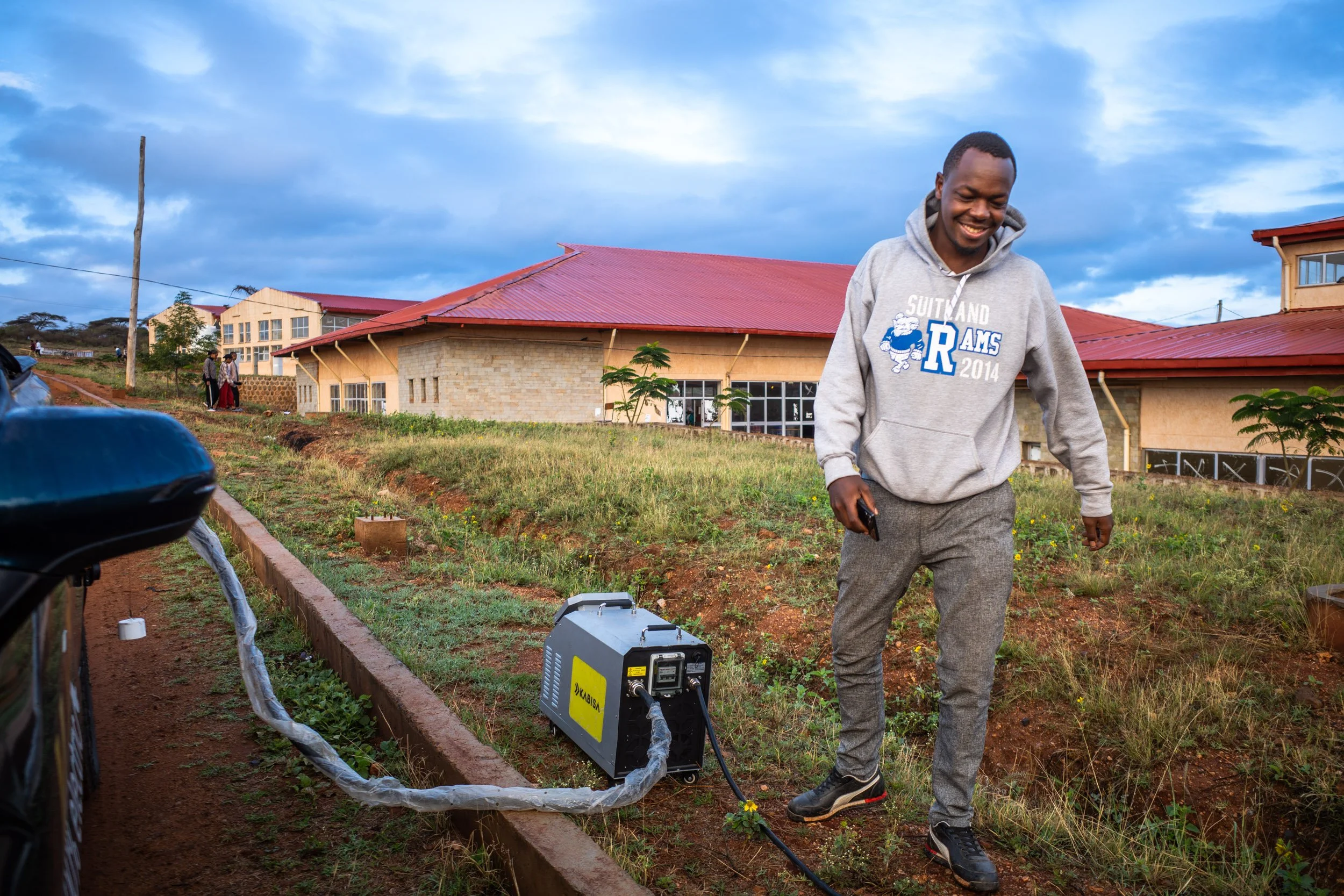
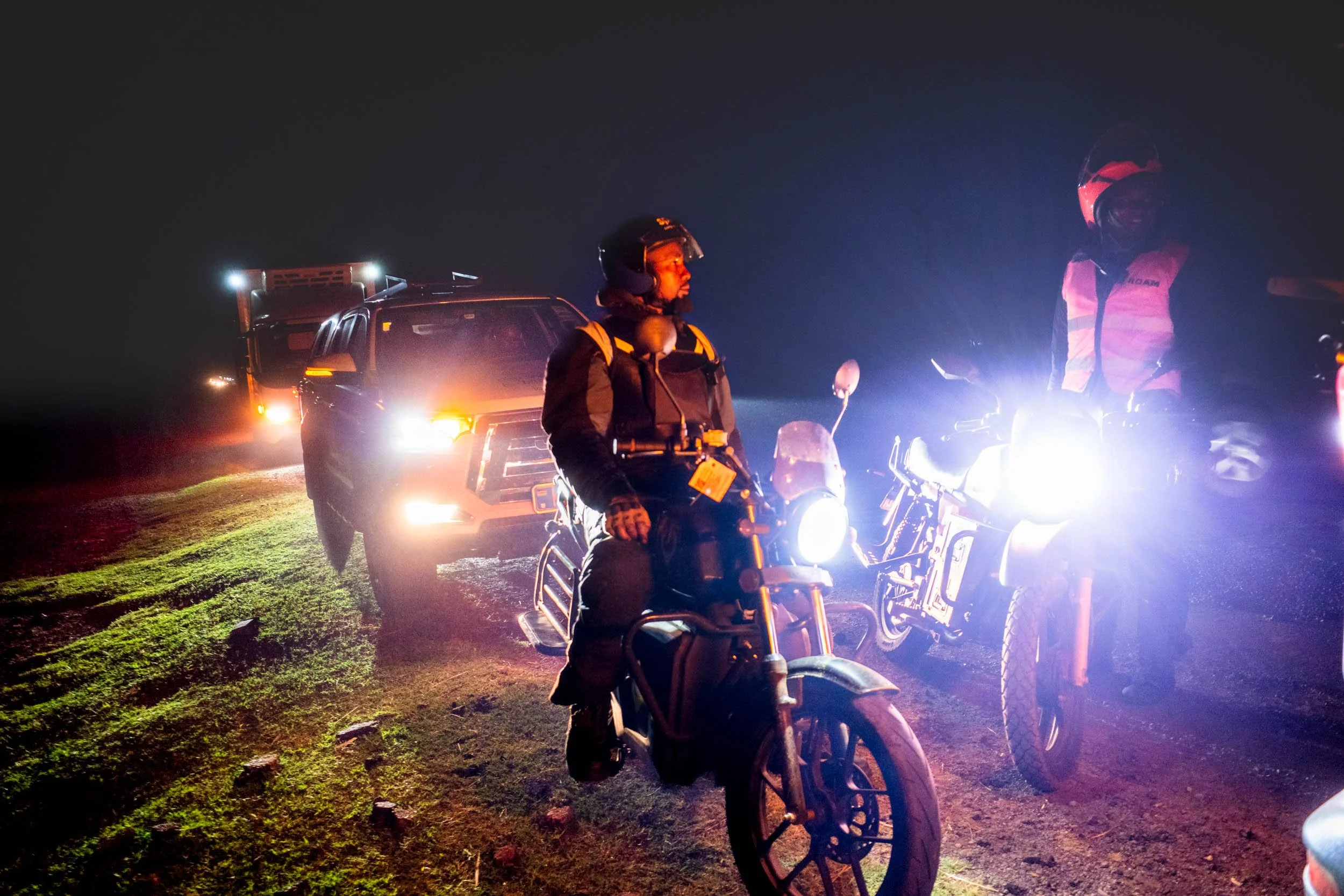
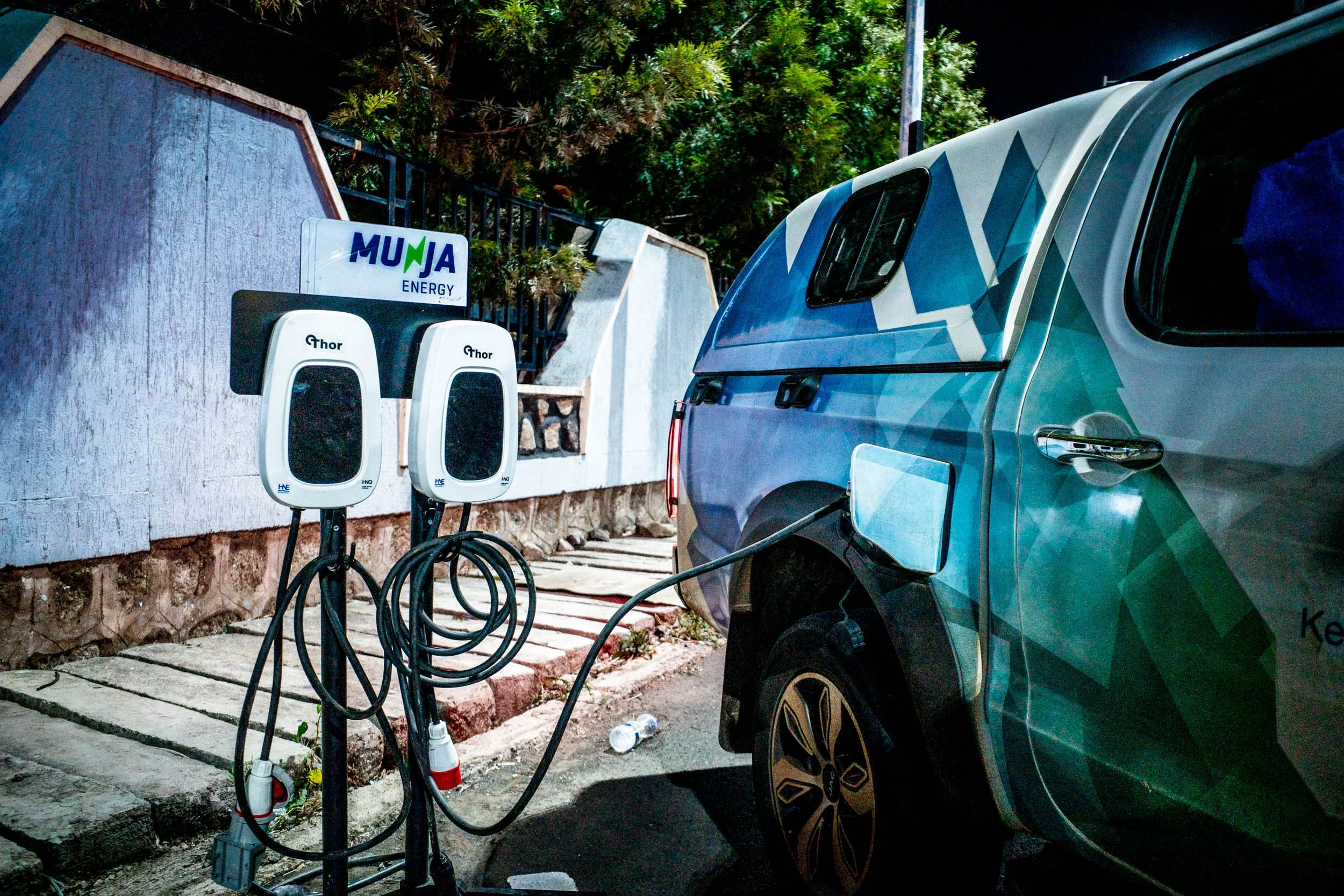
Reaching Nanyuki in the dark, the team immediately hit the real work: arranging charging at a substation, moving vehicles around, testing adapters, managing limited capacity. At the end of the day, ready for an overnight charge.



Day Two: Nanyuki to Meru 226 km
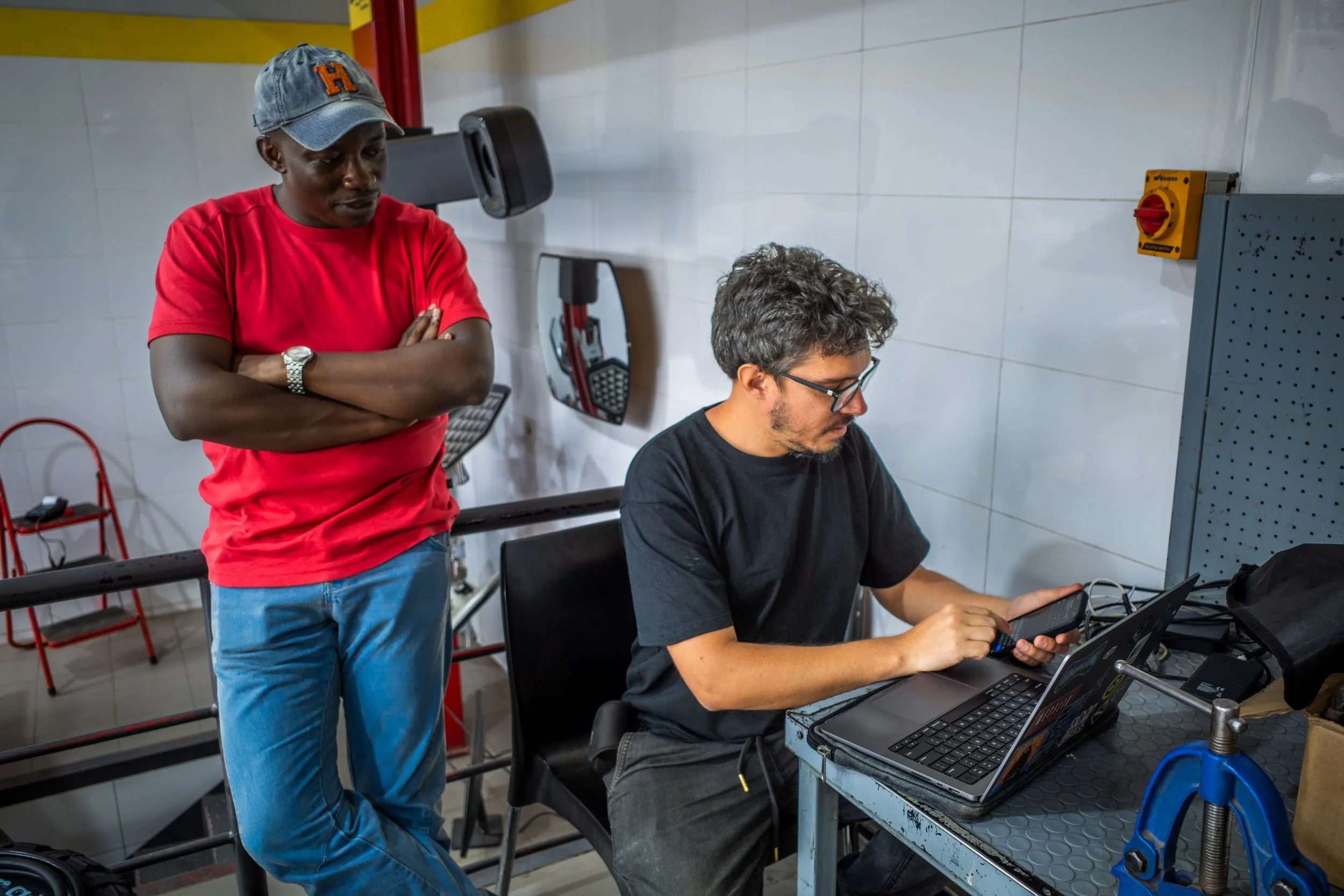
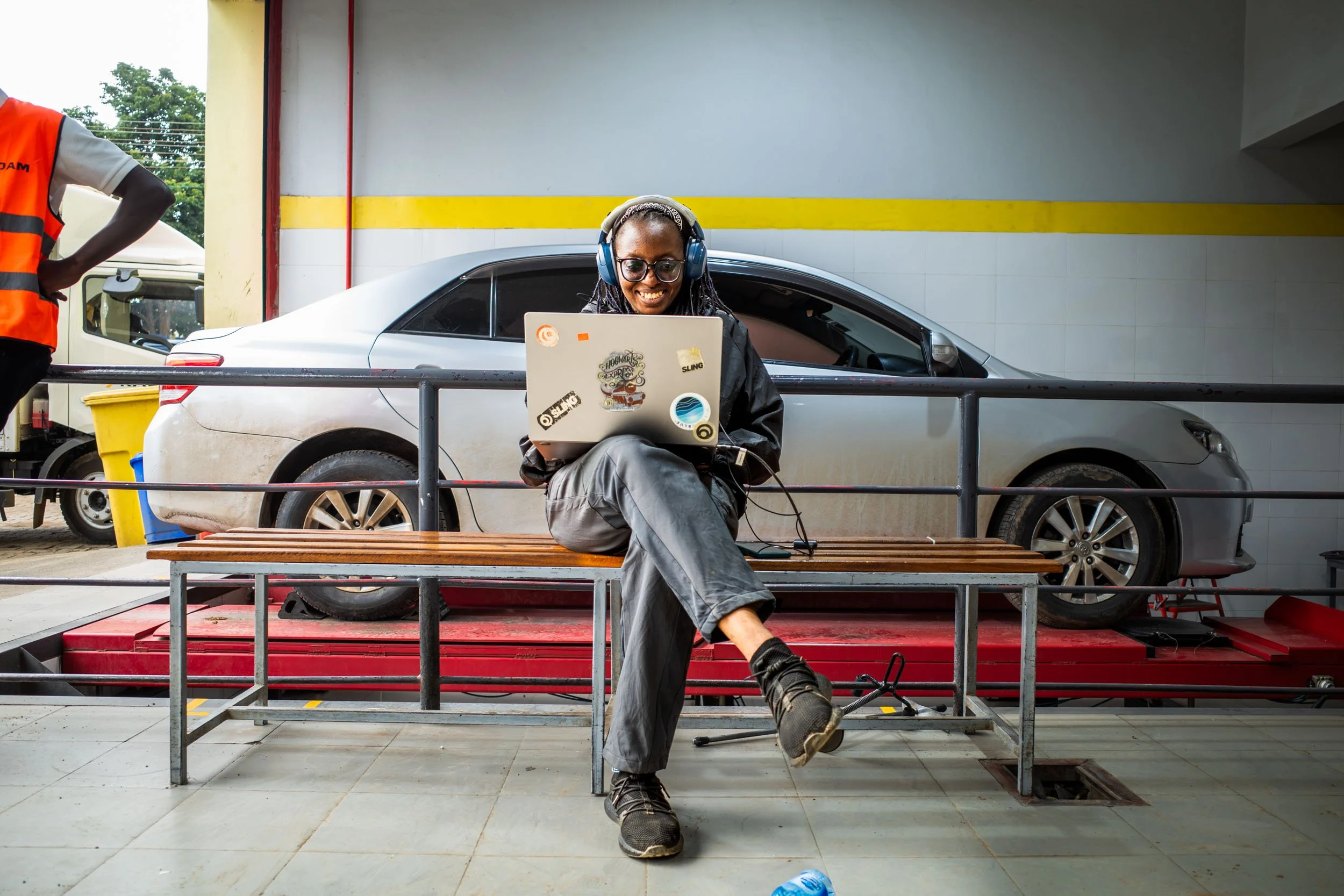
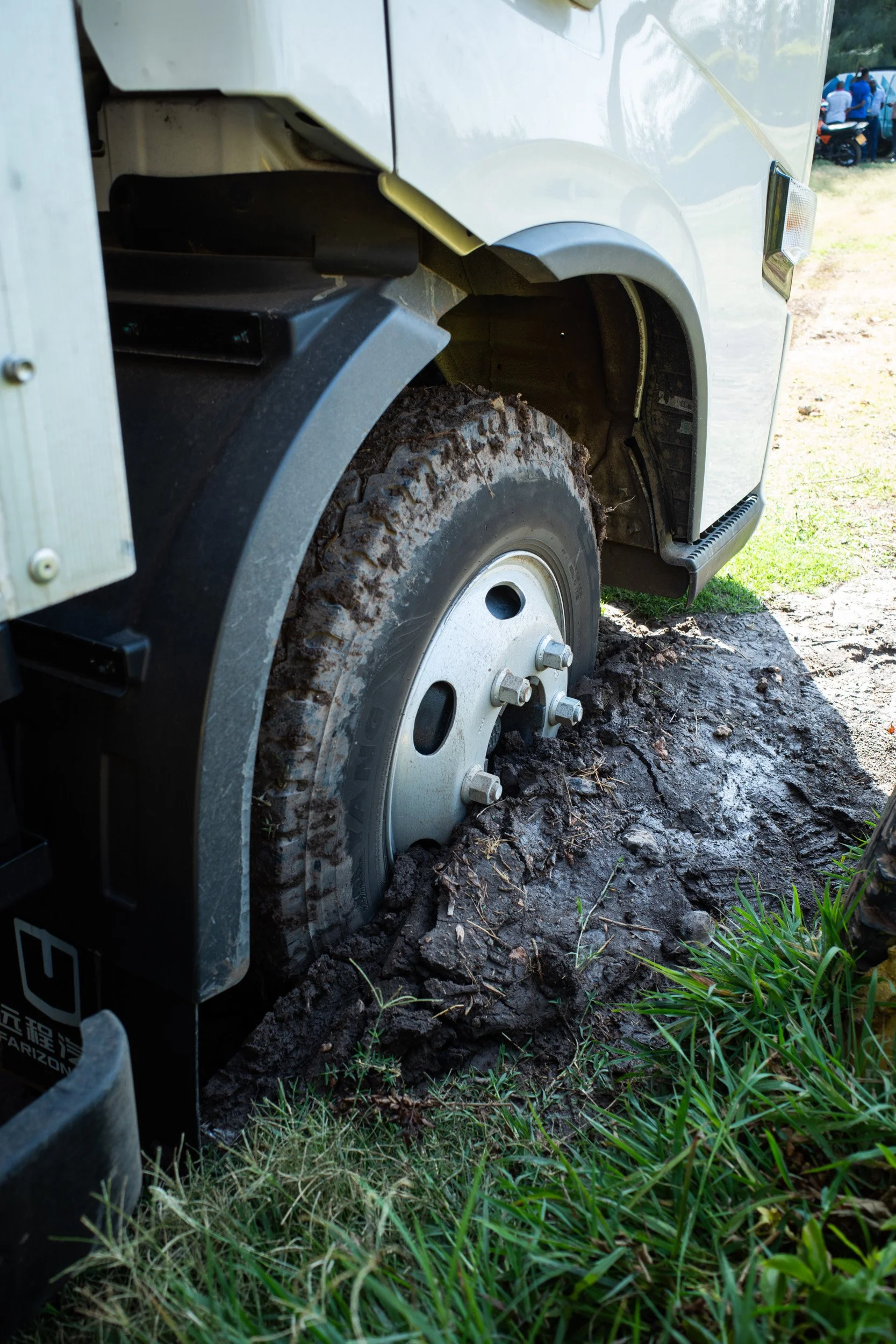
Day two showed that not every challenge in an electric expedition is about electricity. Time was lost in Nanyuki trying to source a compatible spare rim, a simple but revealing constraint in mixing new vehicle types with existing supply chains.
At the same time, tensions and protests in Isiolo forced a change of route. The convoy diverted toward Meru, arriving with enough charge and experience to adjust plans for the longer stages ahead. On day two, we lost a full day of travel, but the journey needed to continue.

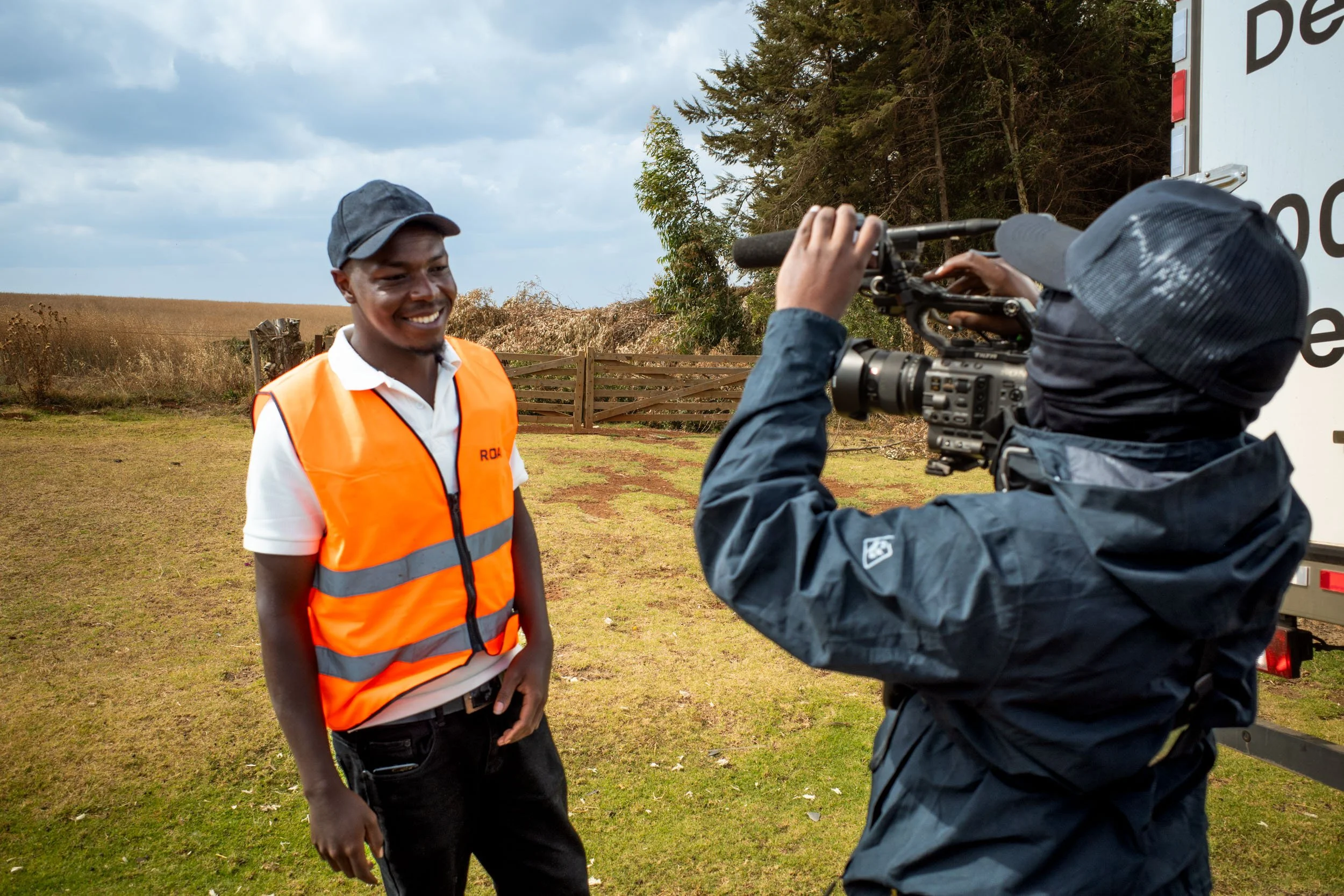

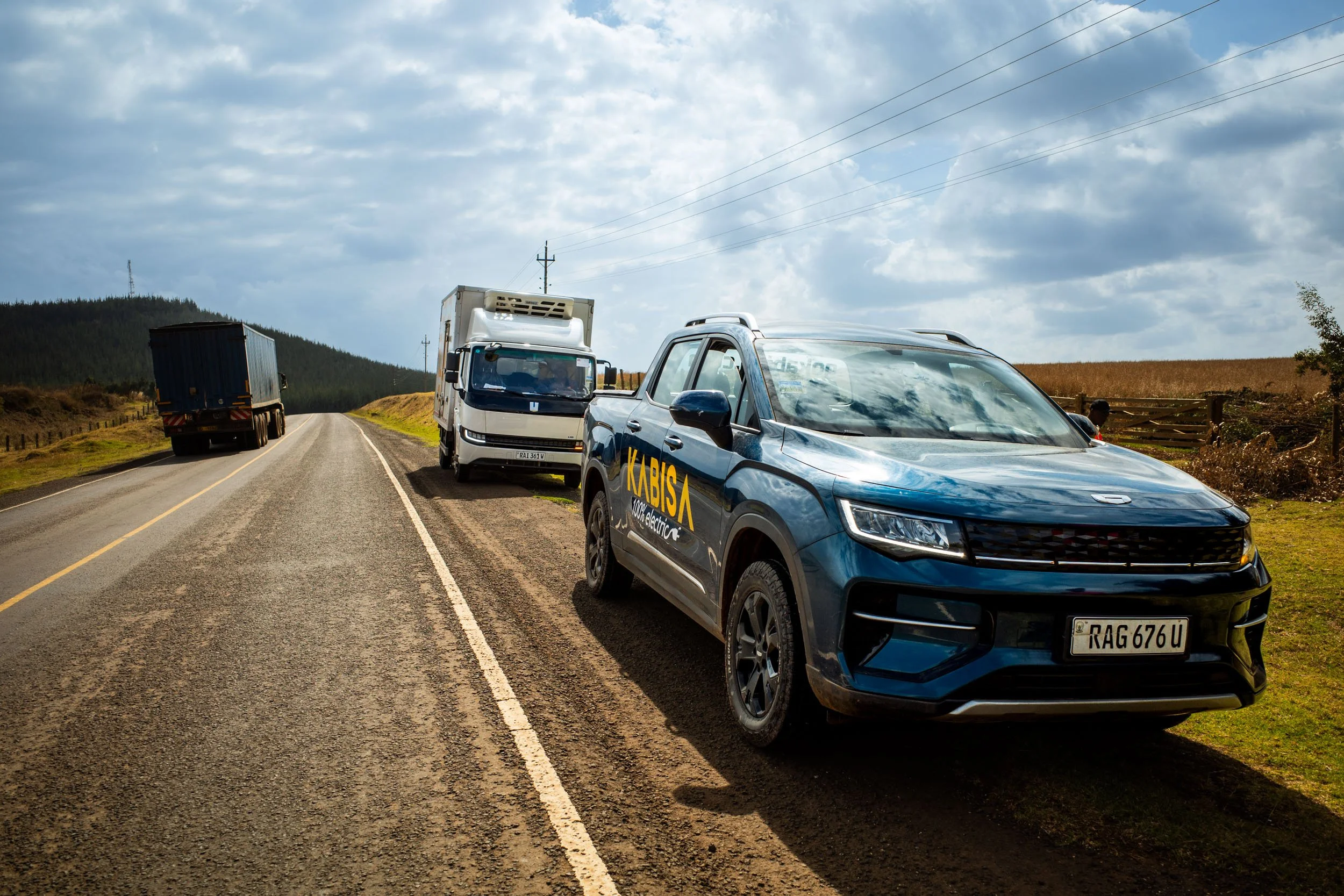
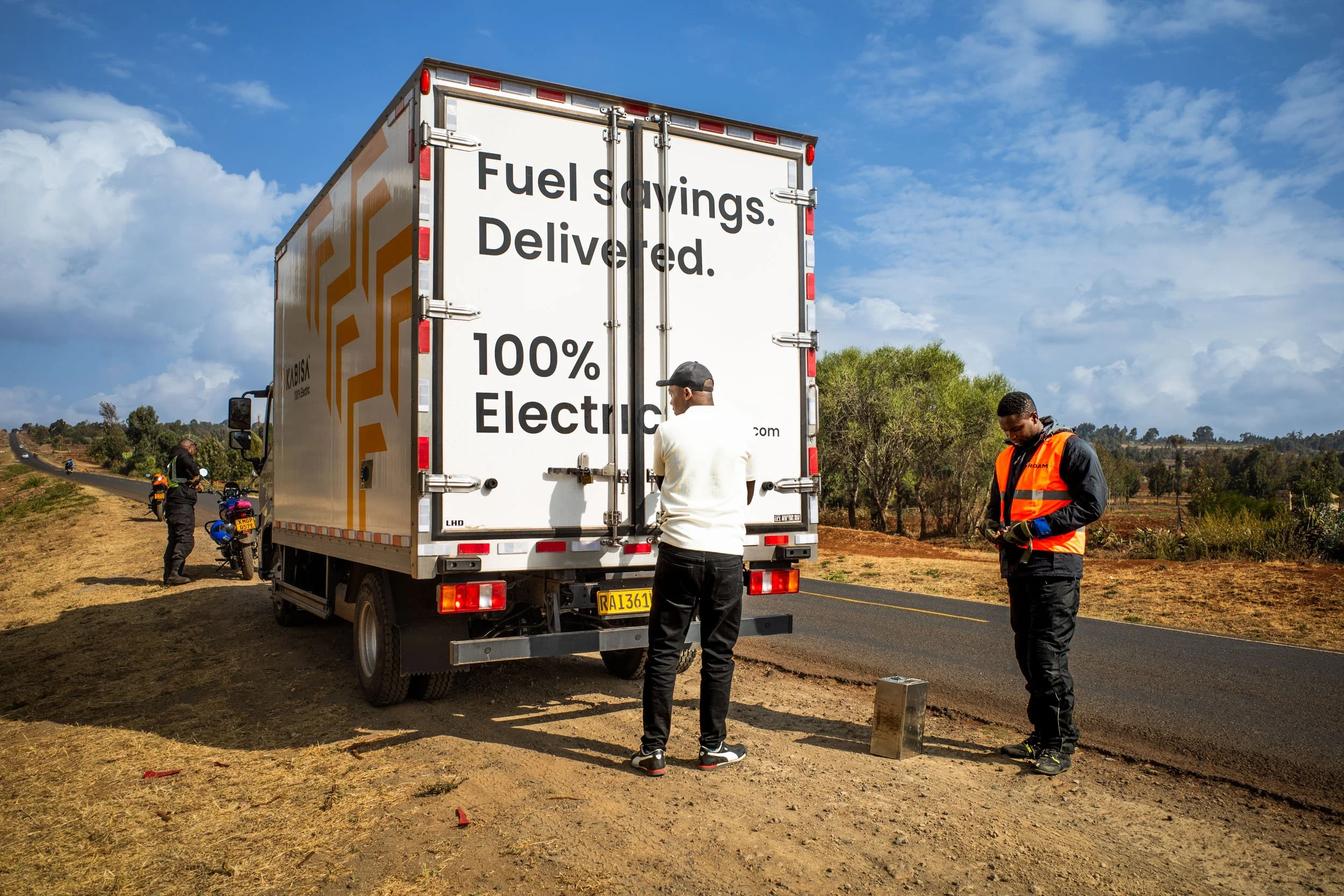
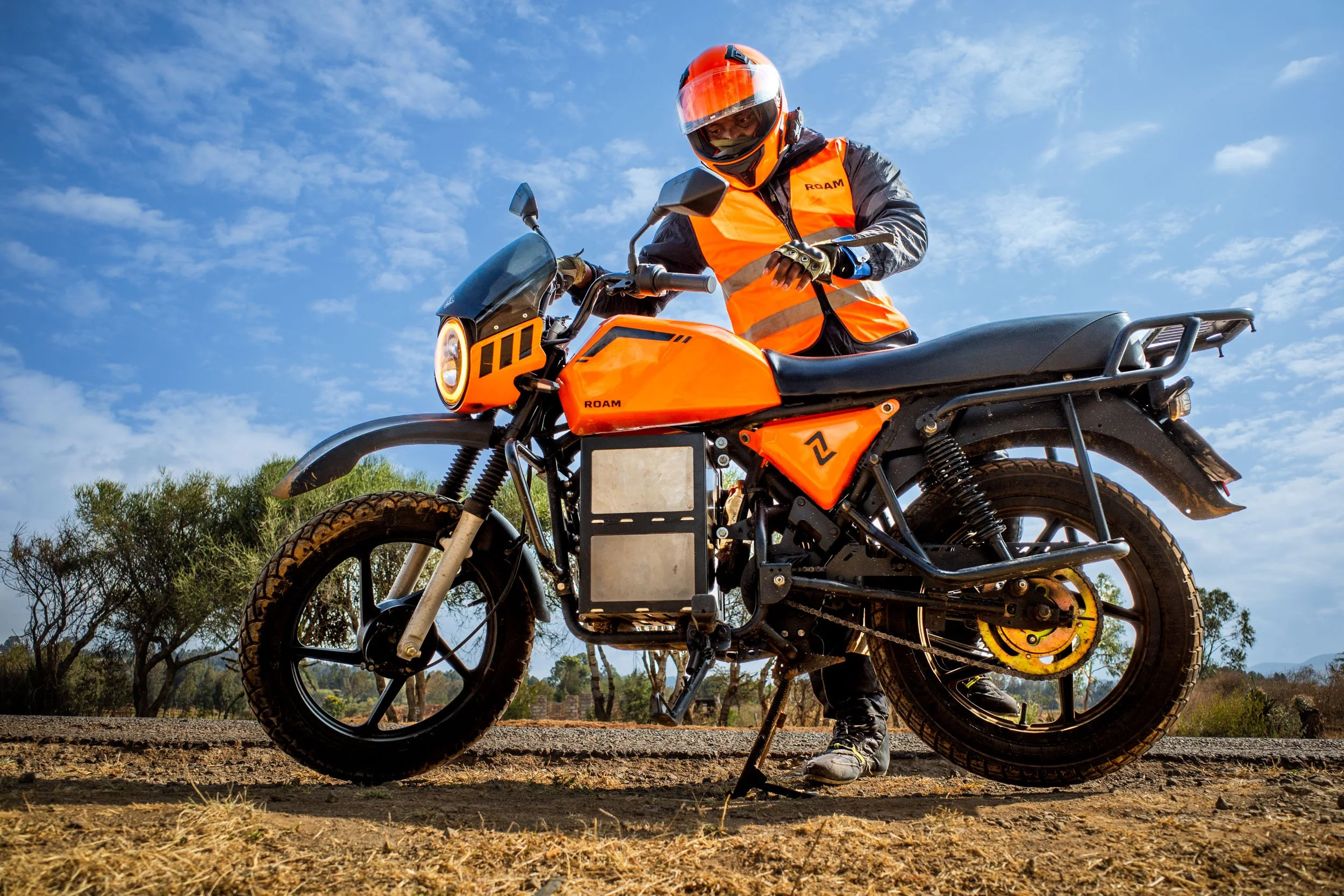
Day Three: Meru to Marsabit 531 km
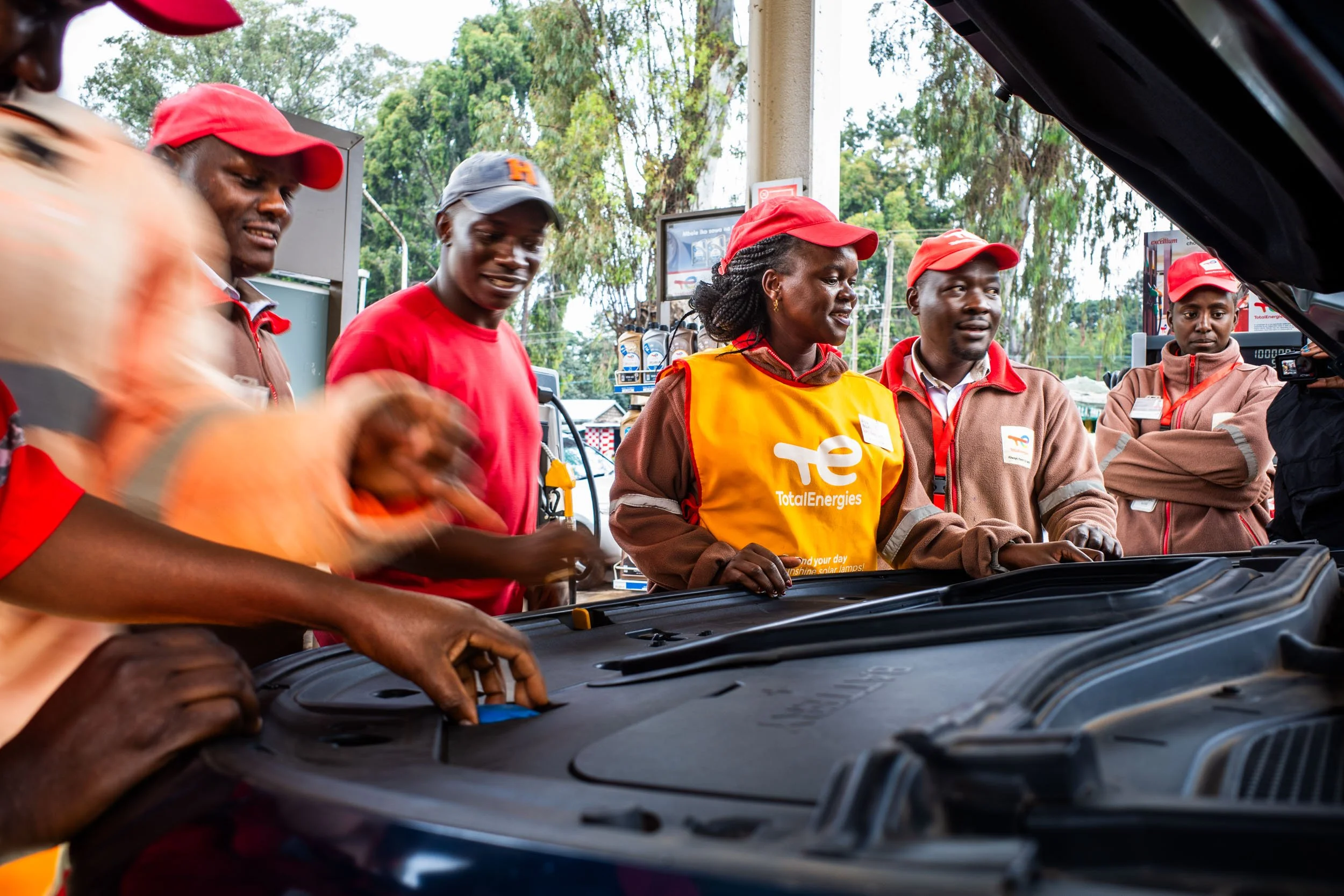
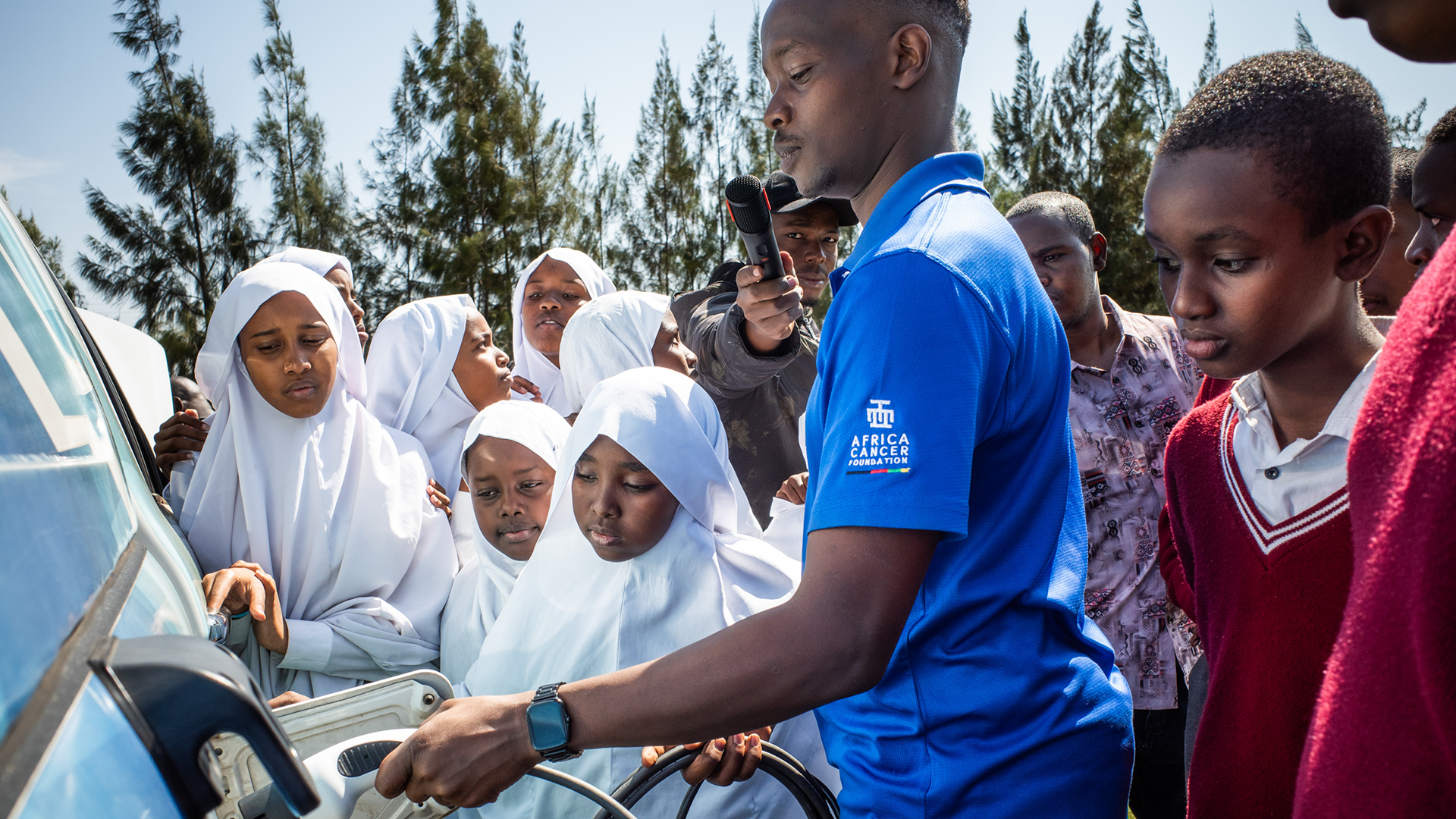
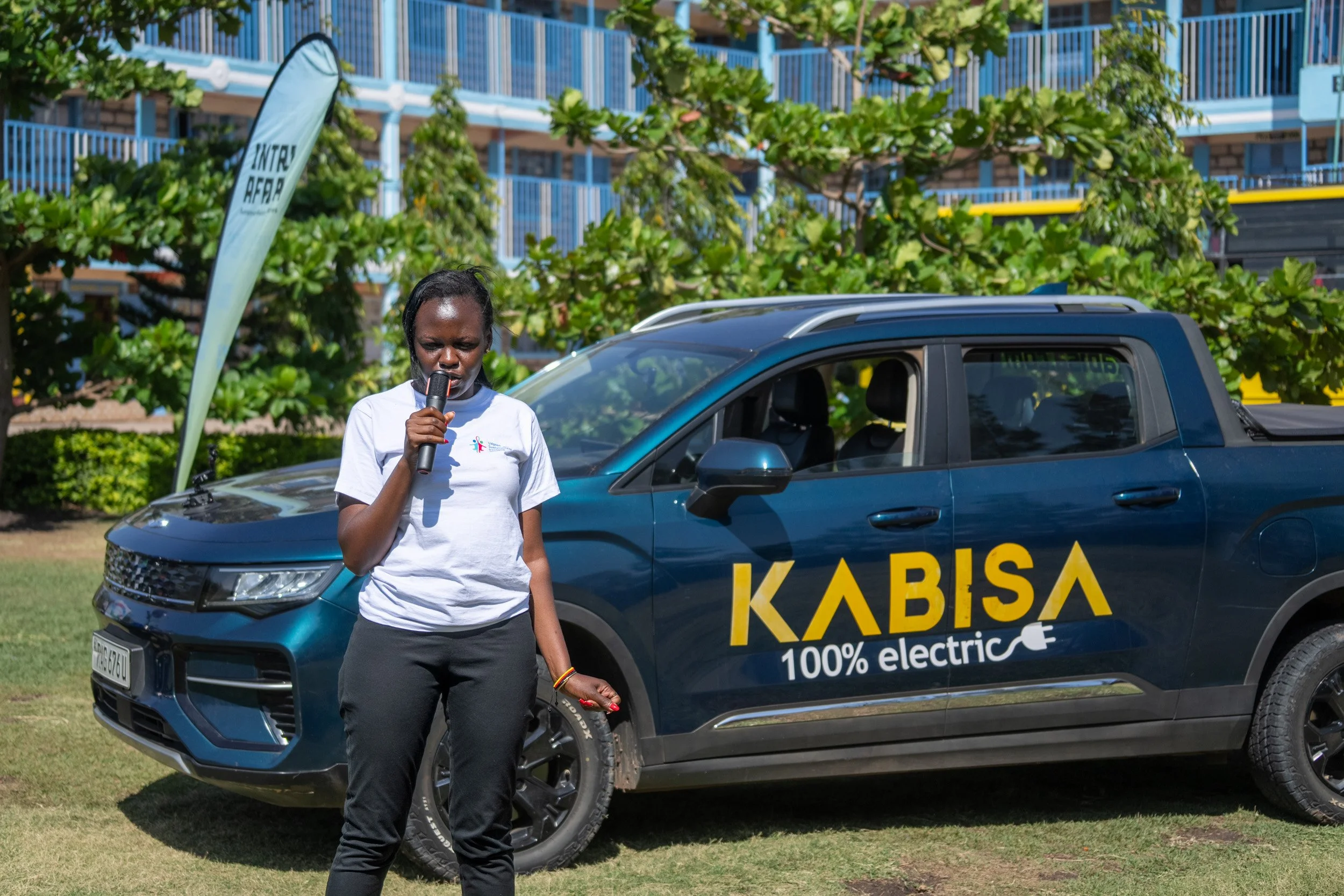
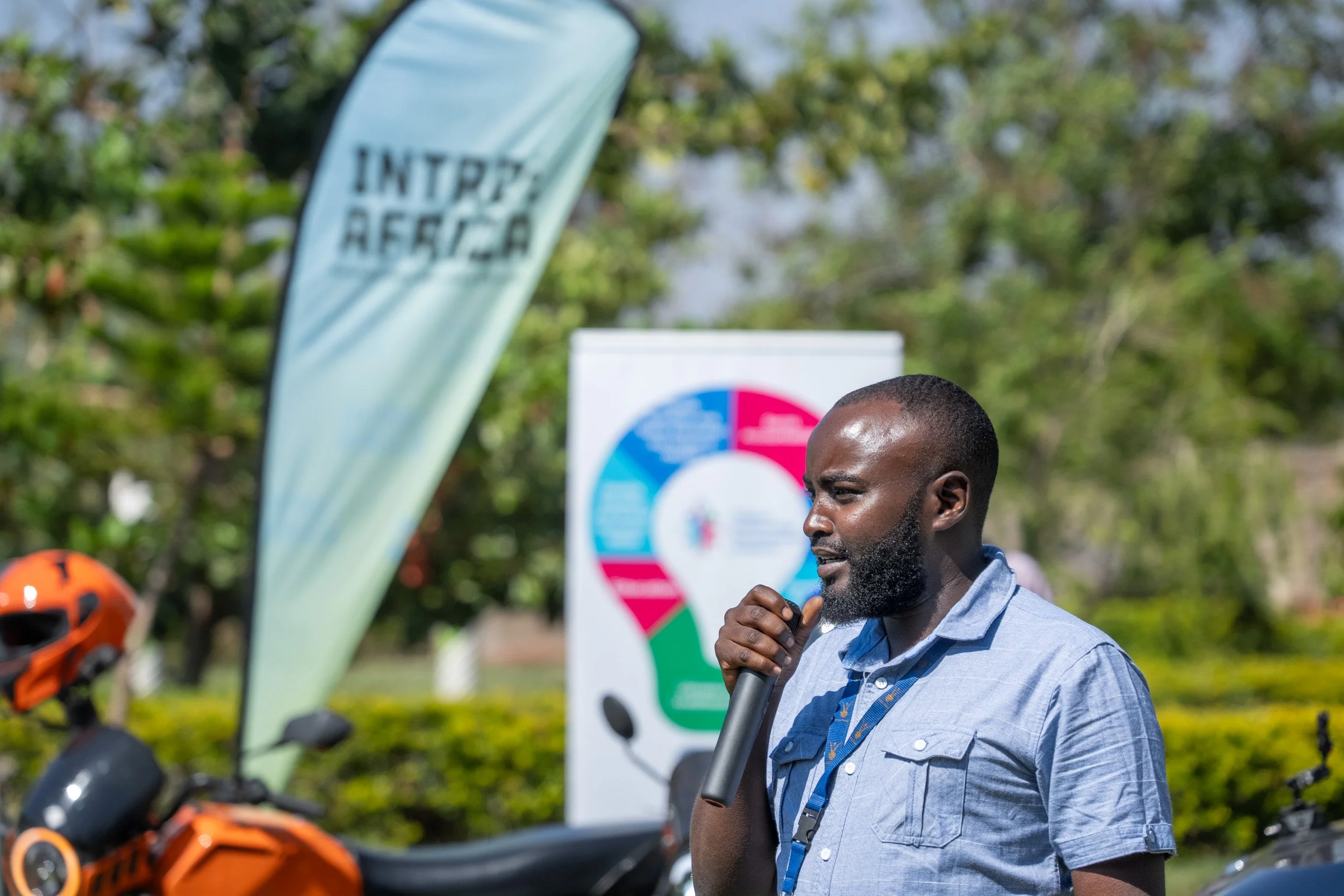
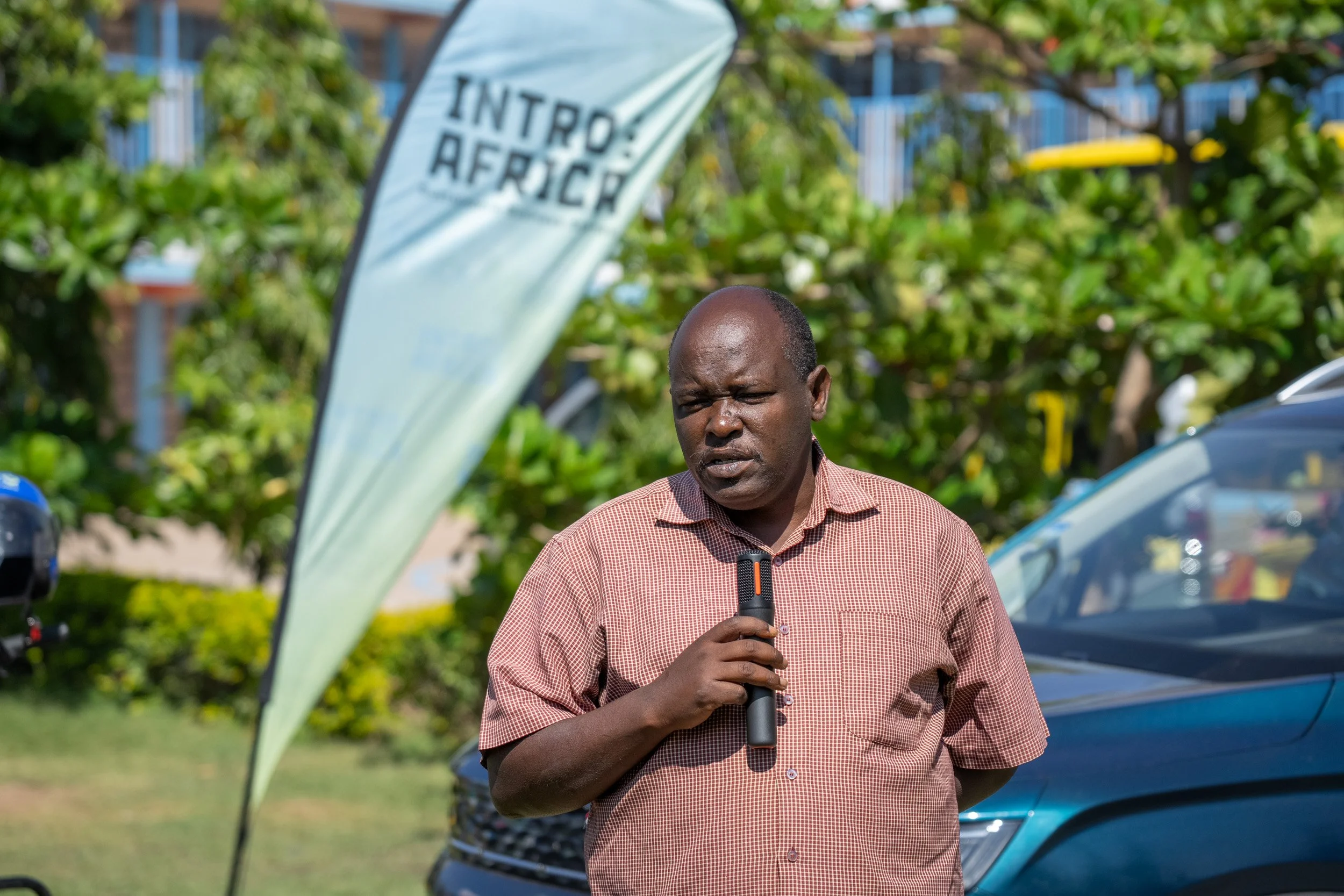
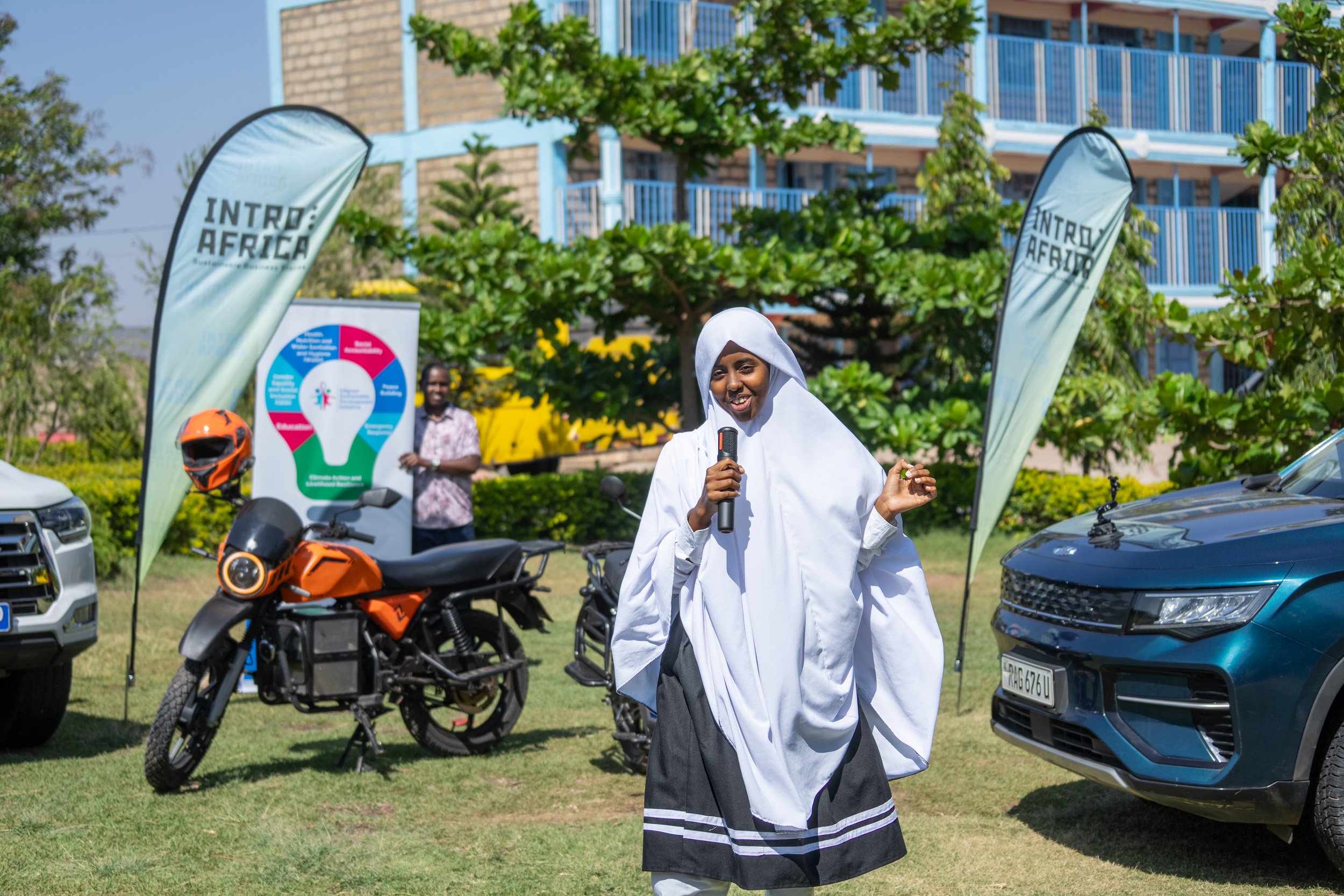
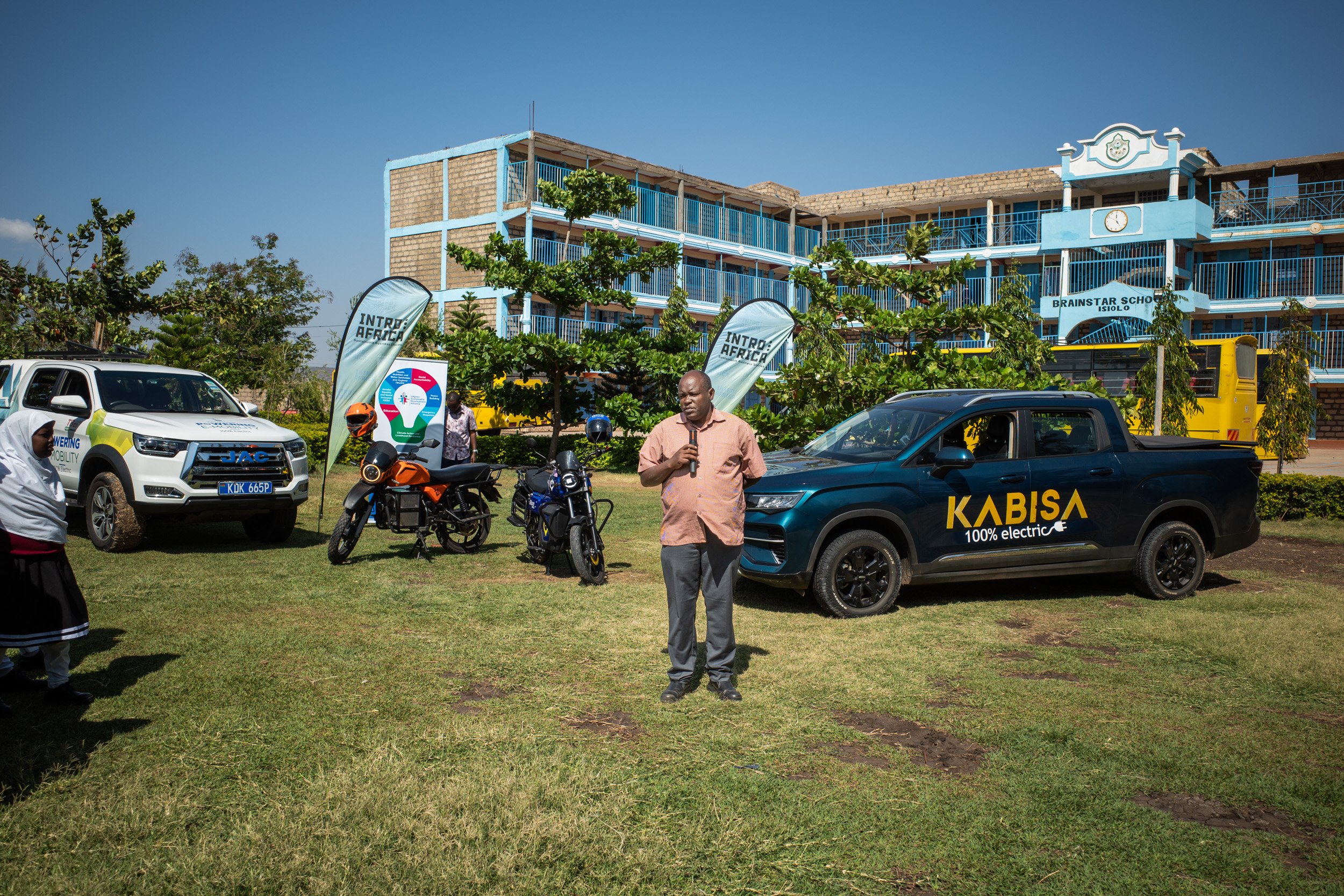
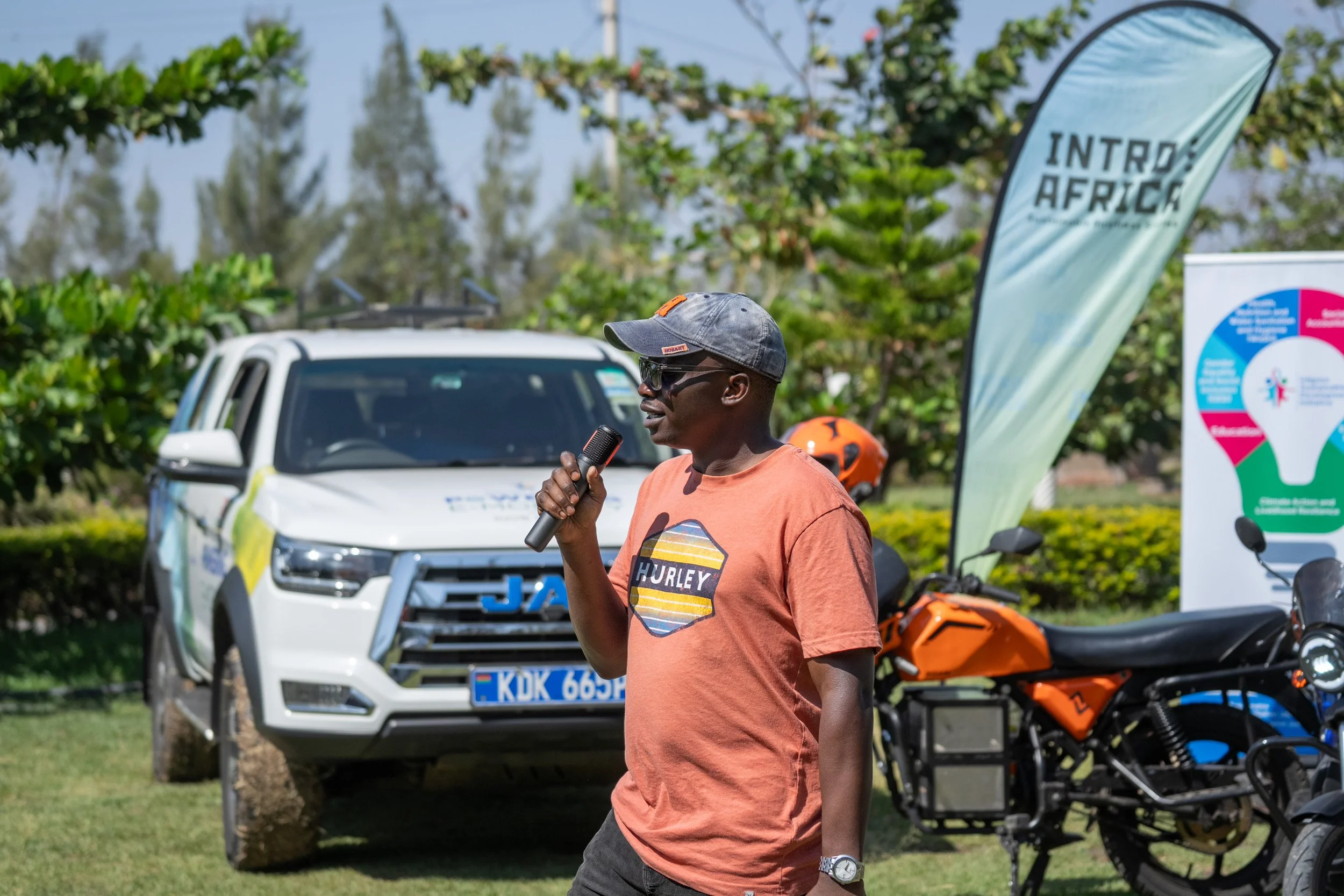
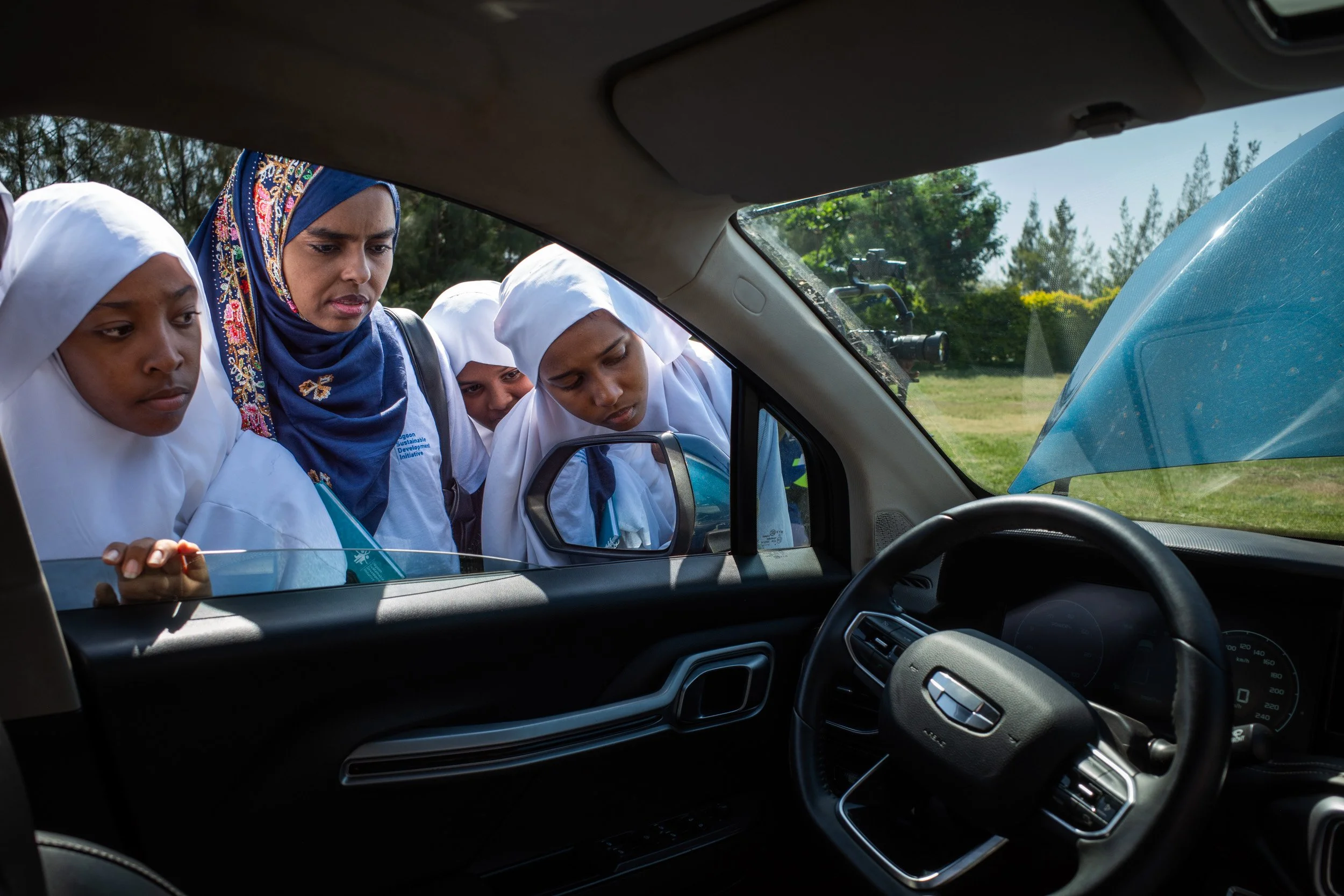
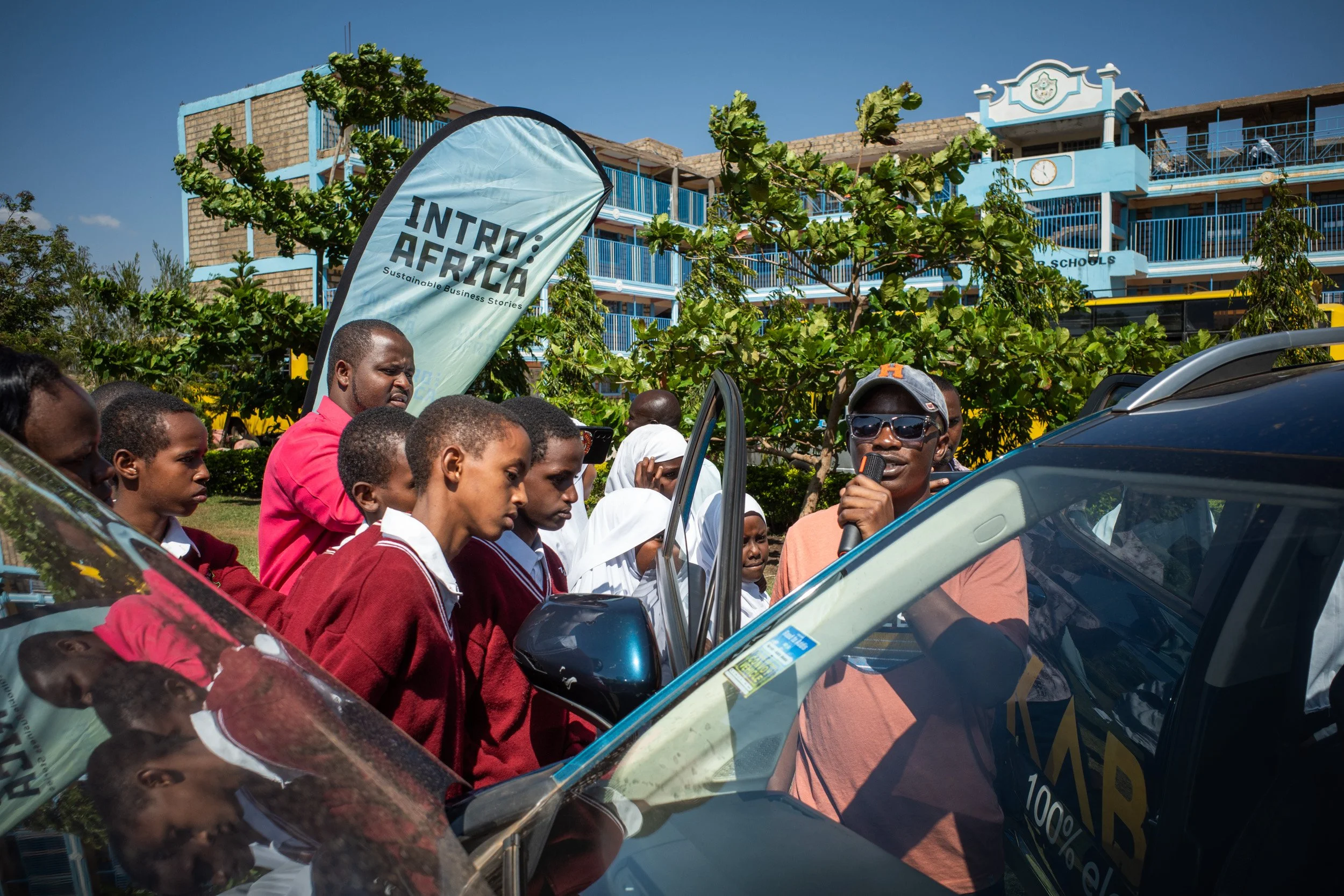
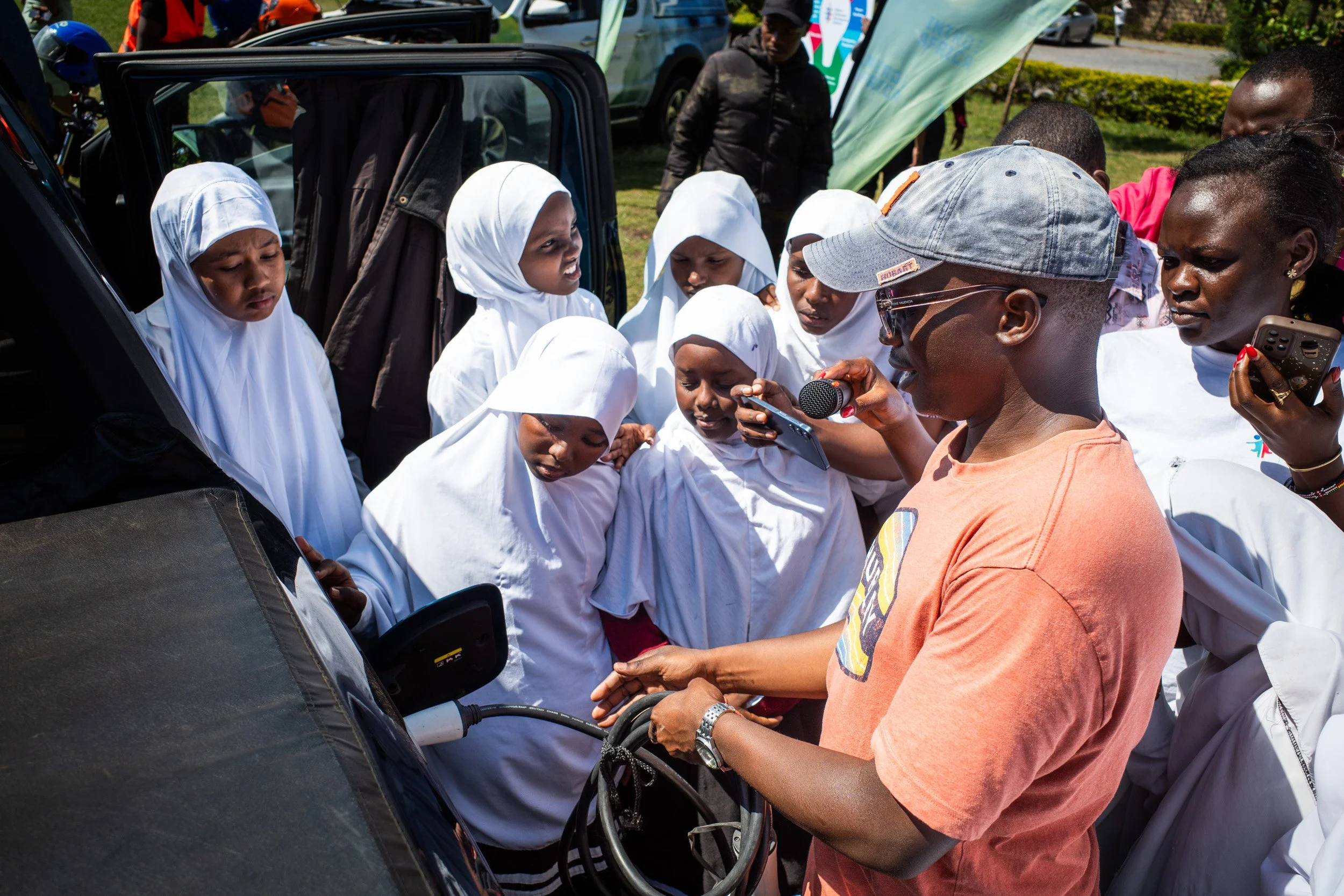
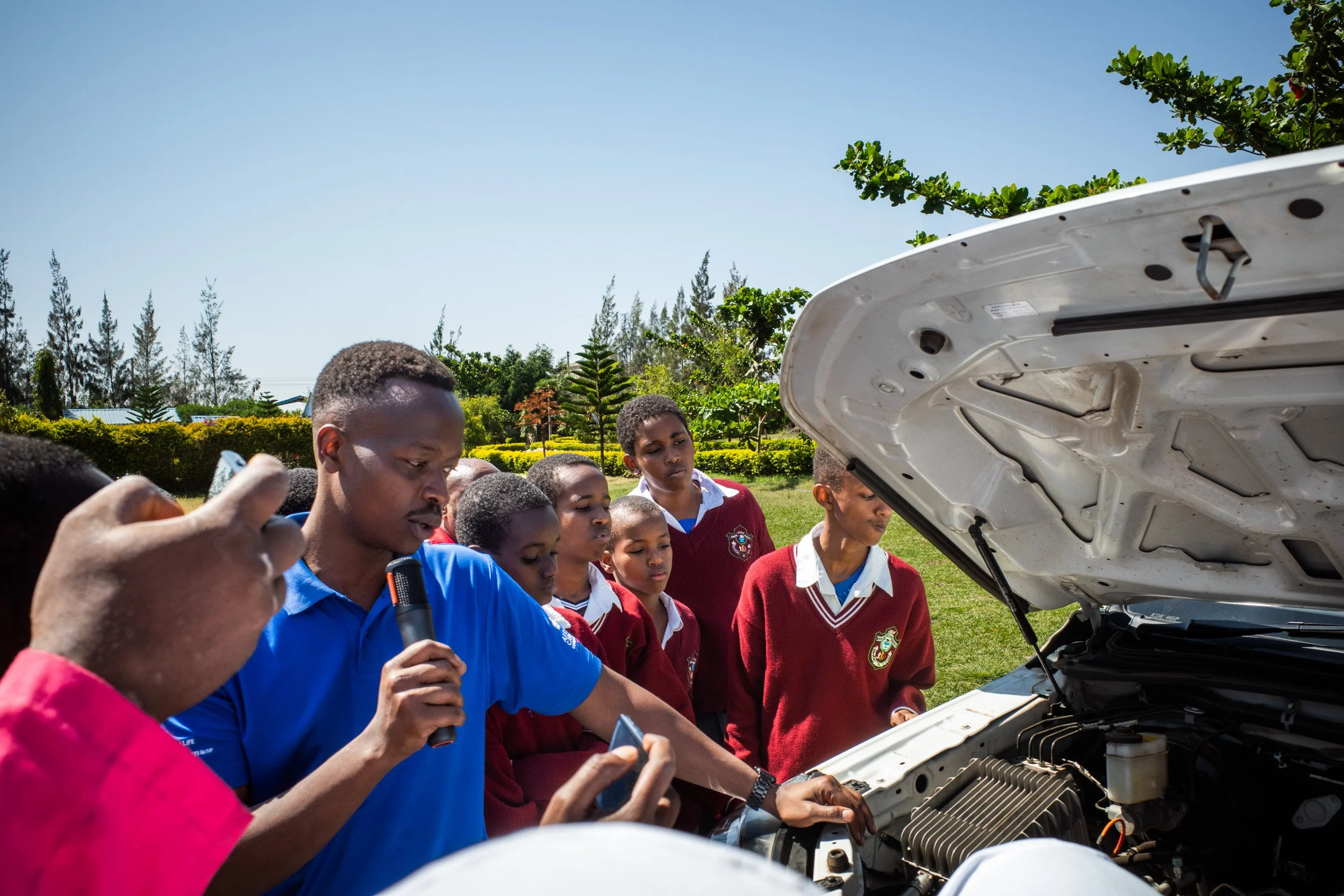
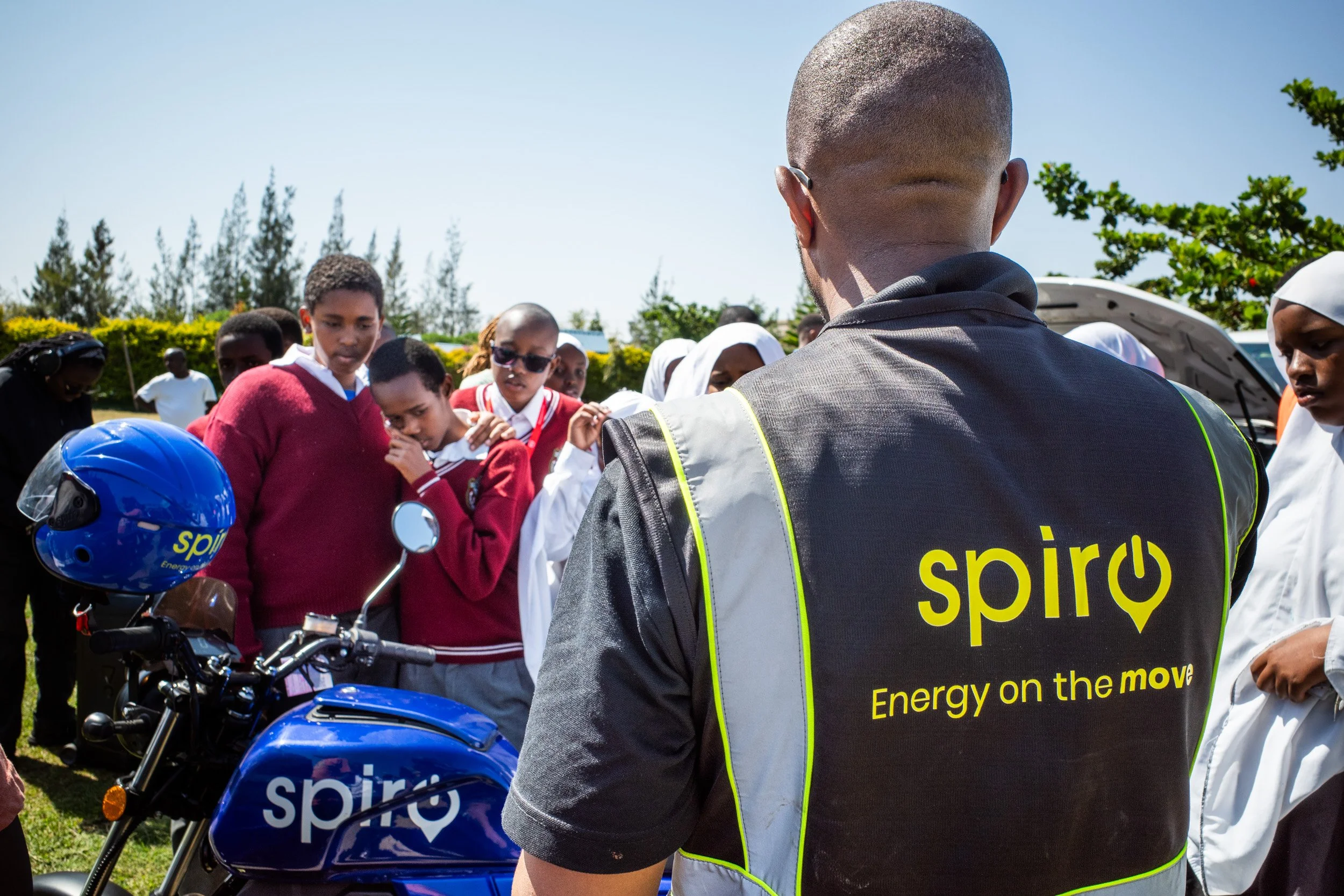
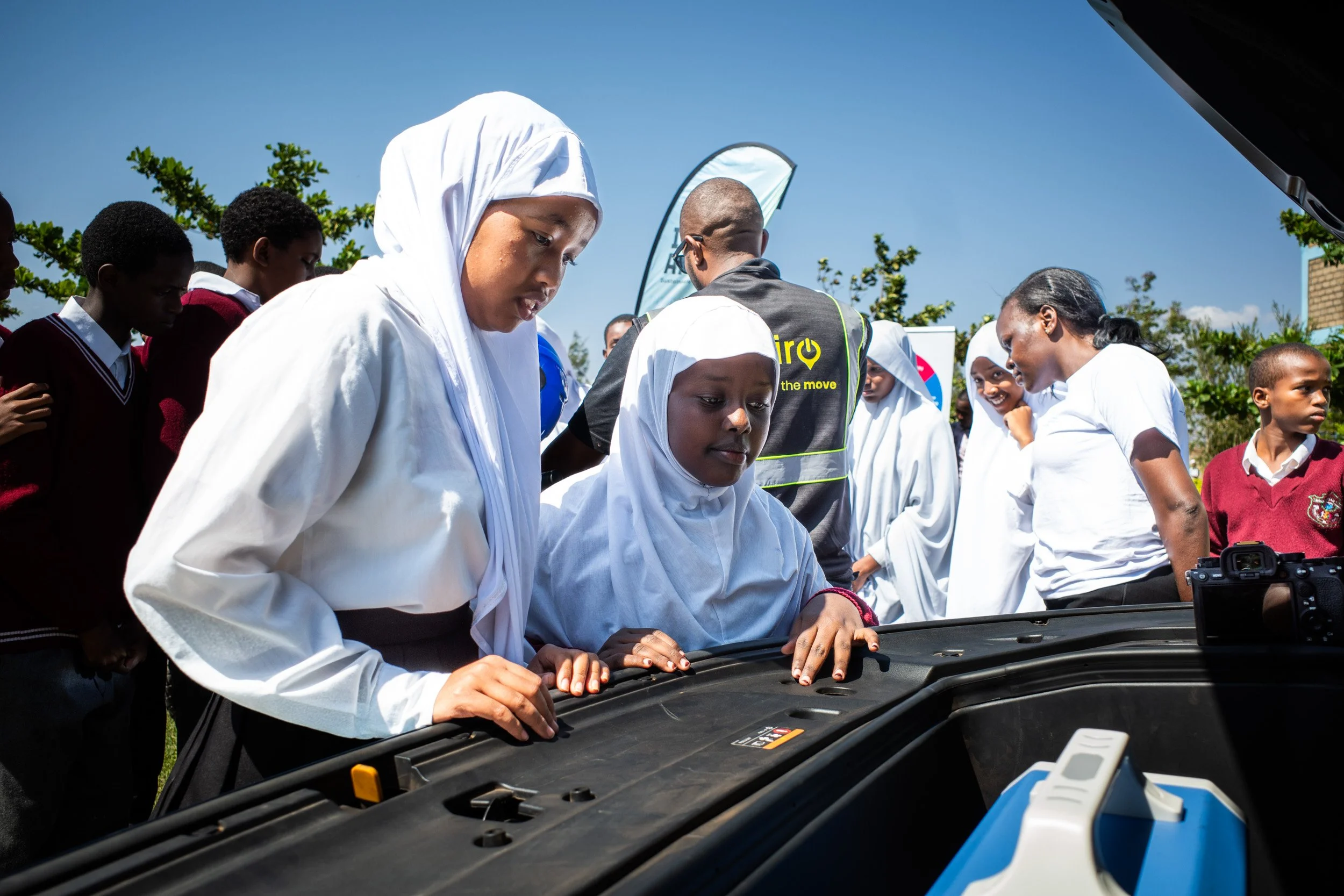
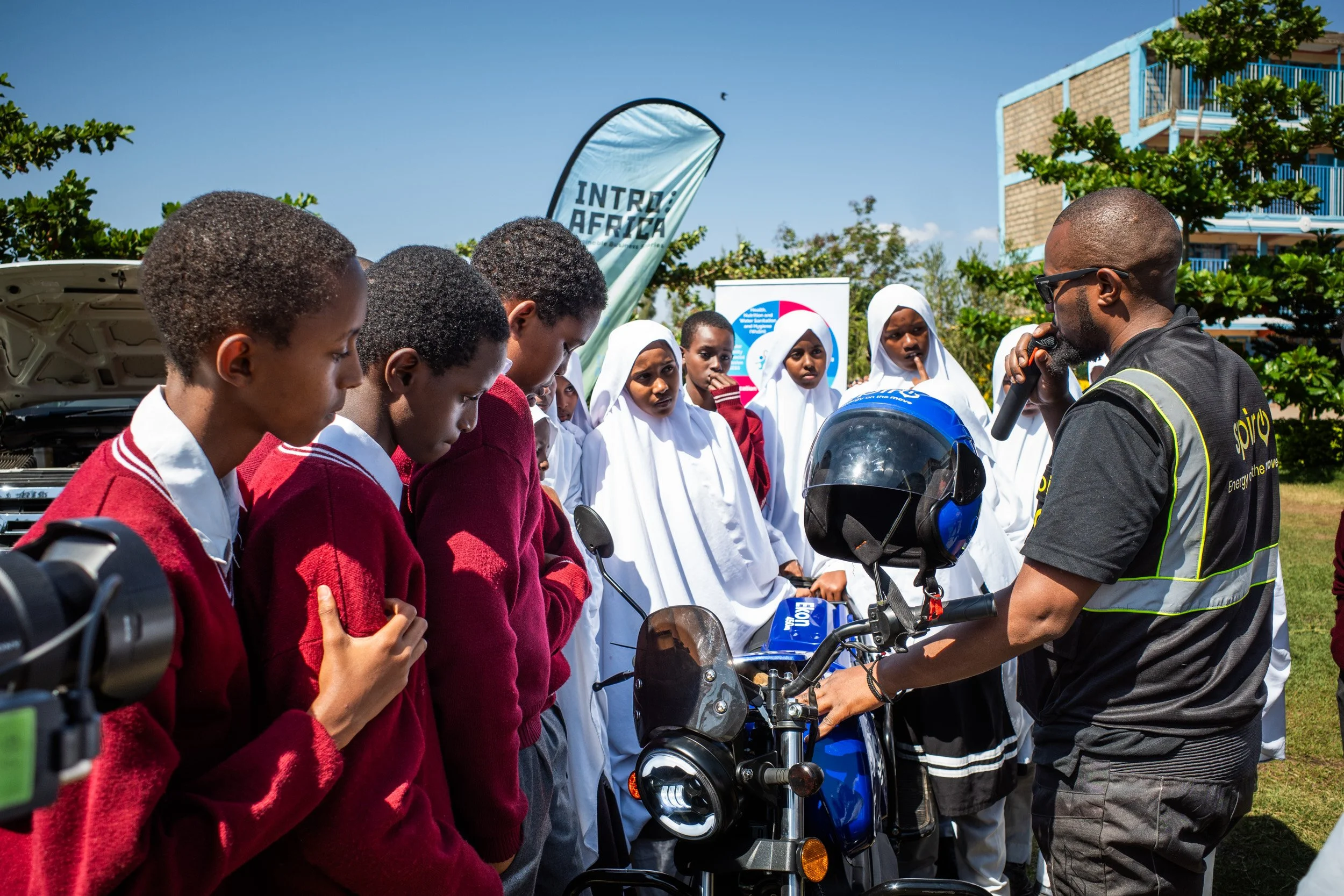
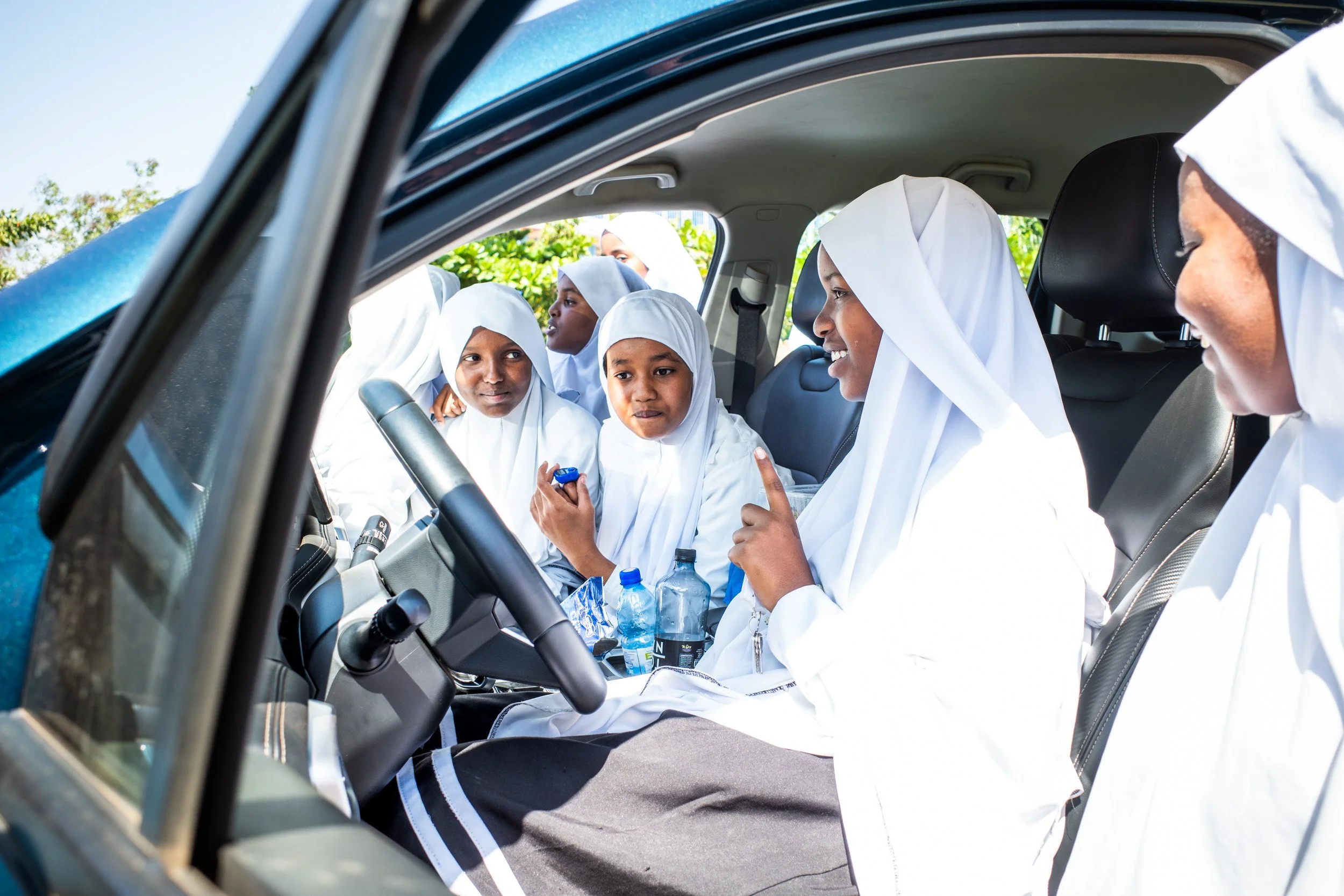
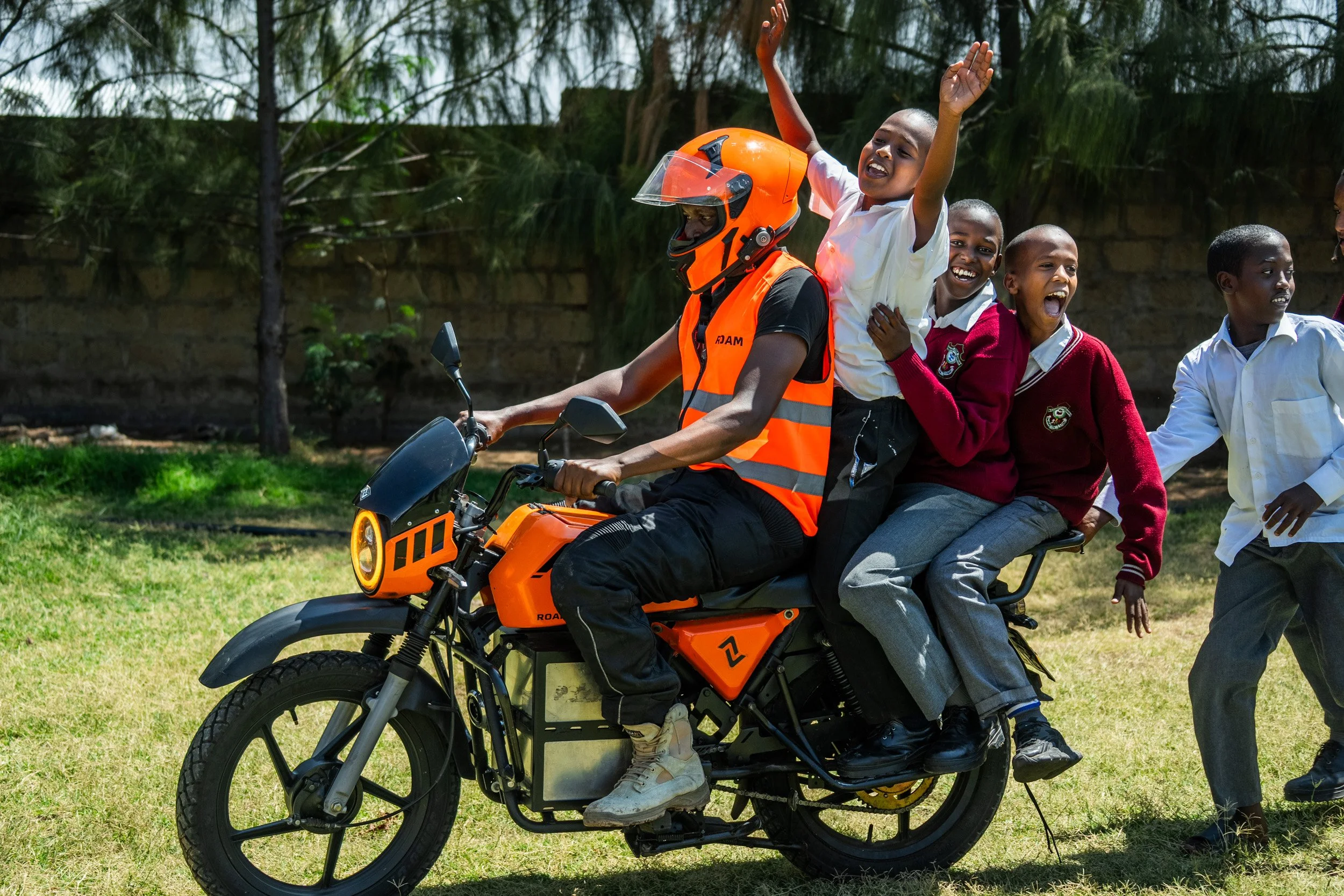
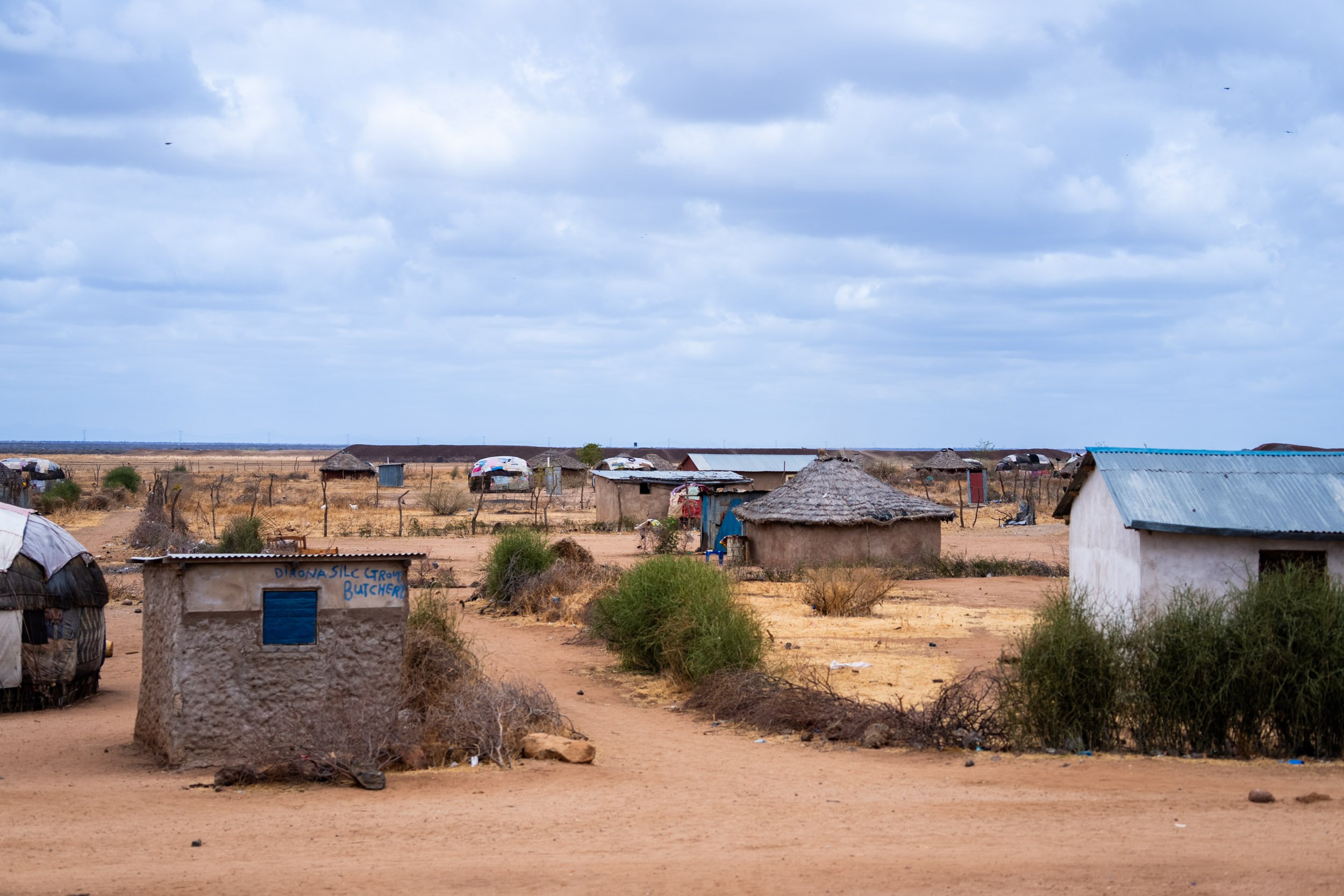
From Meru to Isiolo and onward to Laisamis and Marsabit, the Road to Addis became a moving classroom, at Brainstar Academy in Isiolo, the team held its first awareness stop. Students, local authorities gathered around the vehicles, asking questions and exploring the idea that the future of transport could look and sound different from the usual.
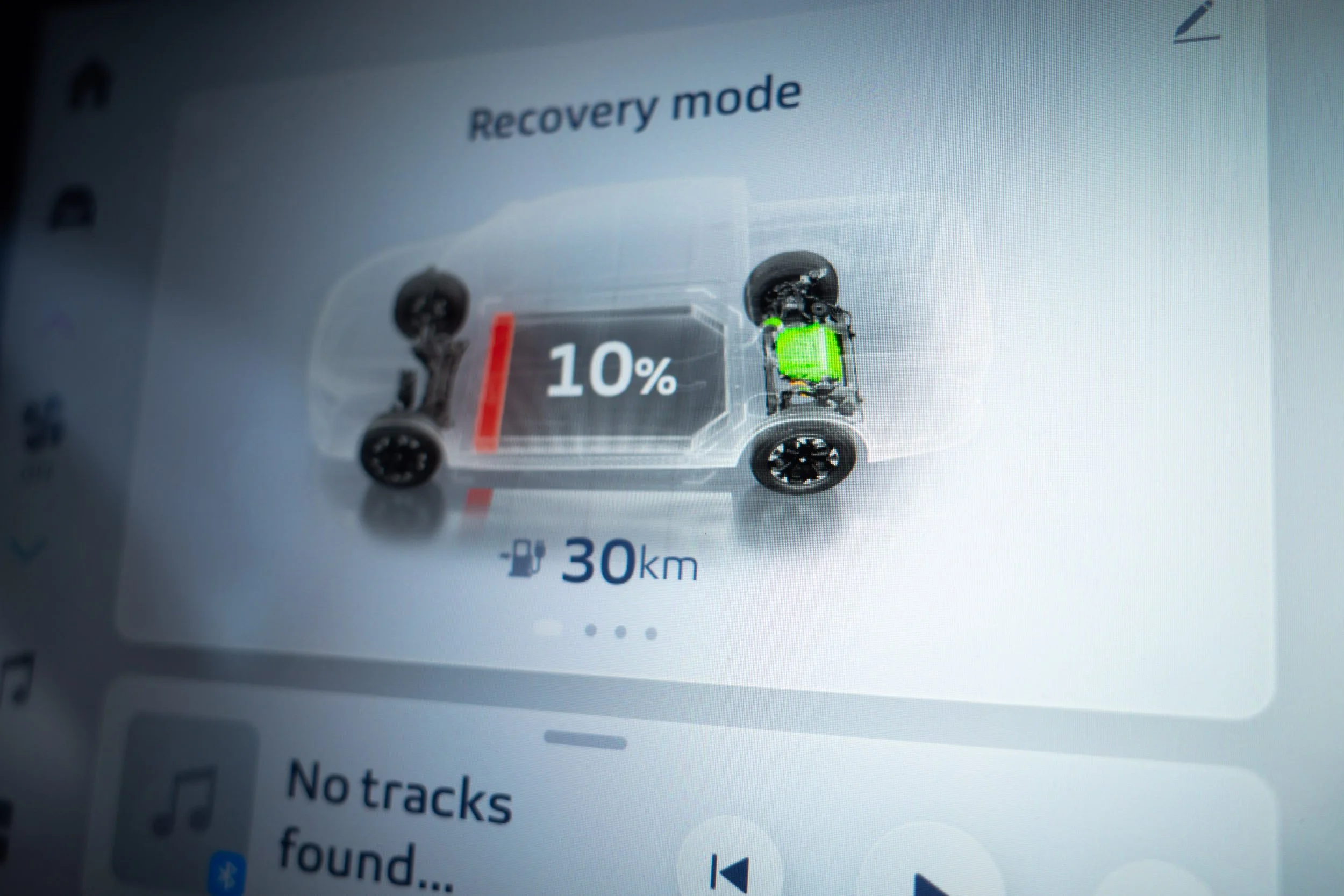
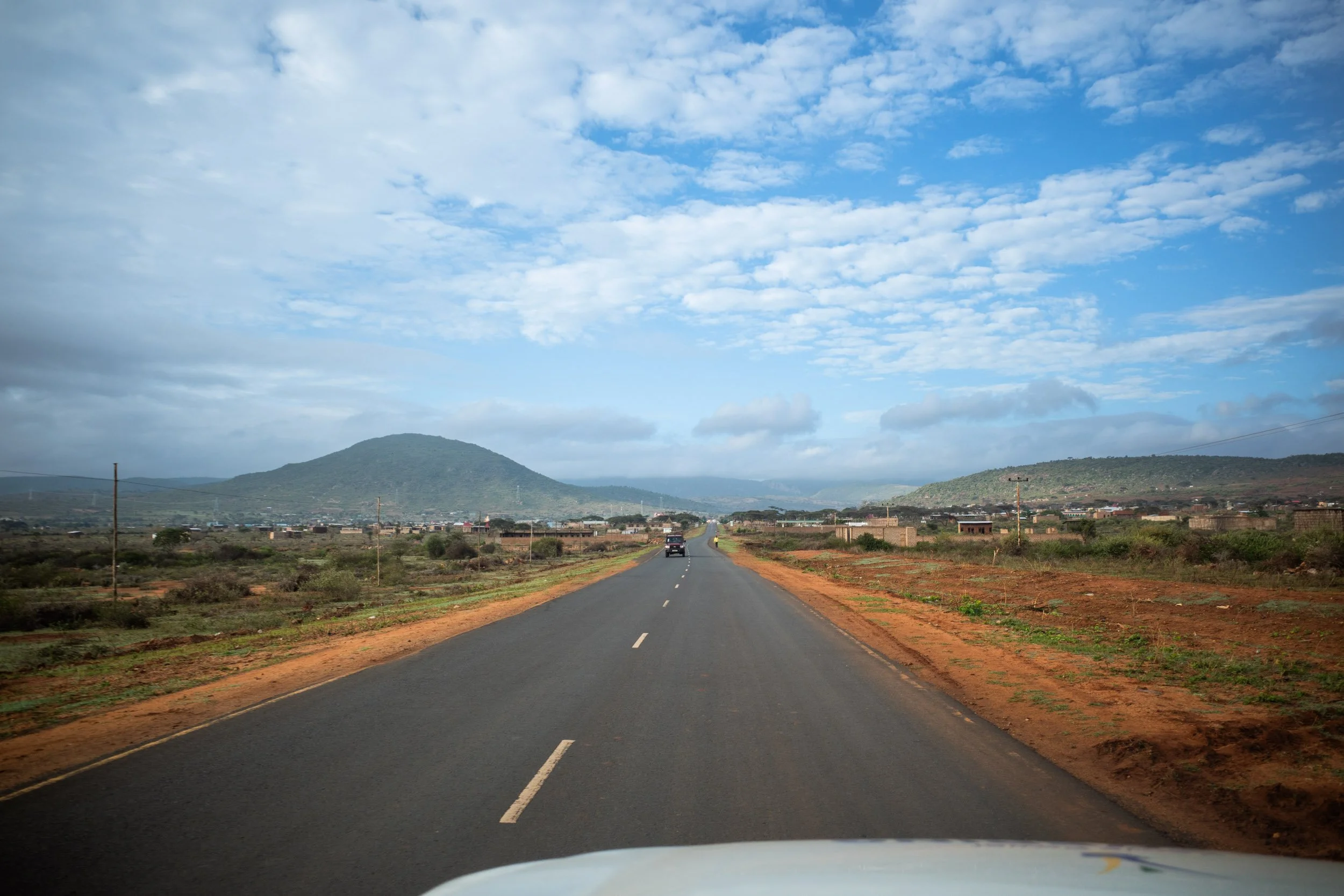
Out on the open highway, the convoy tested regenerative braking, convoy speeds and driving patterns suited for EVs on long northern roads. Marsabit was reached in the dark, arriving on low charge.



Day Four: Marsabit to Moyale 778 km
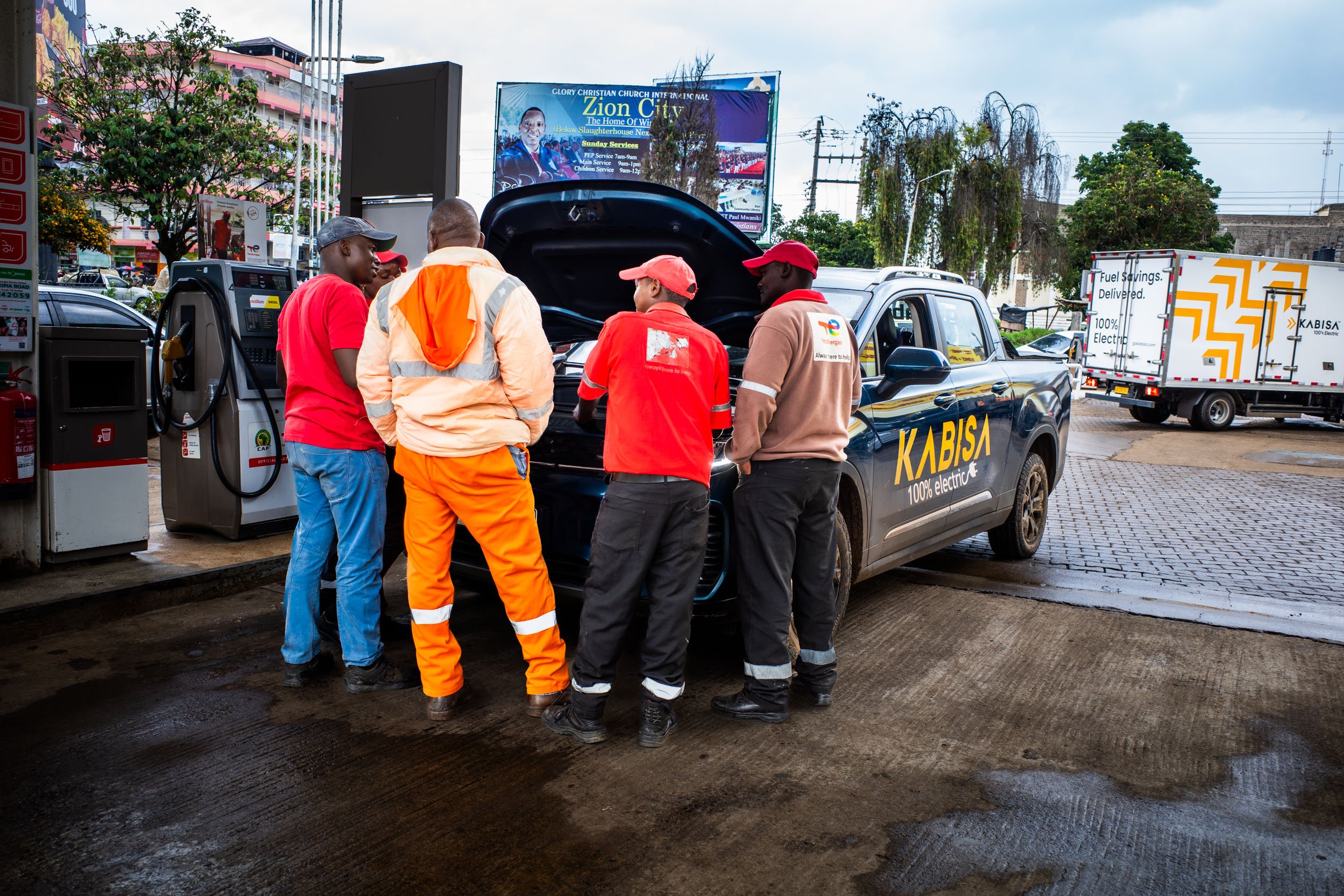
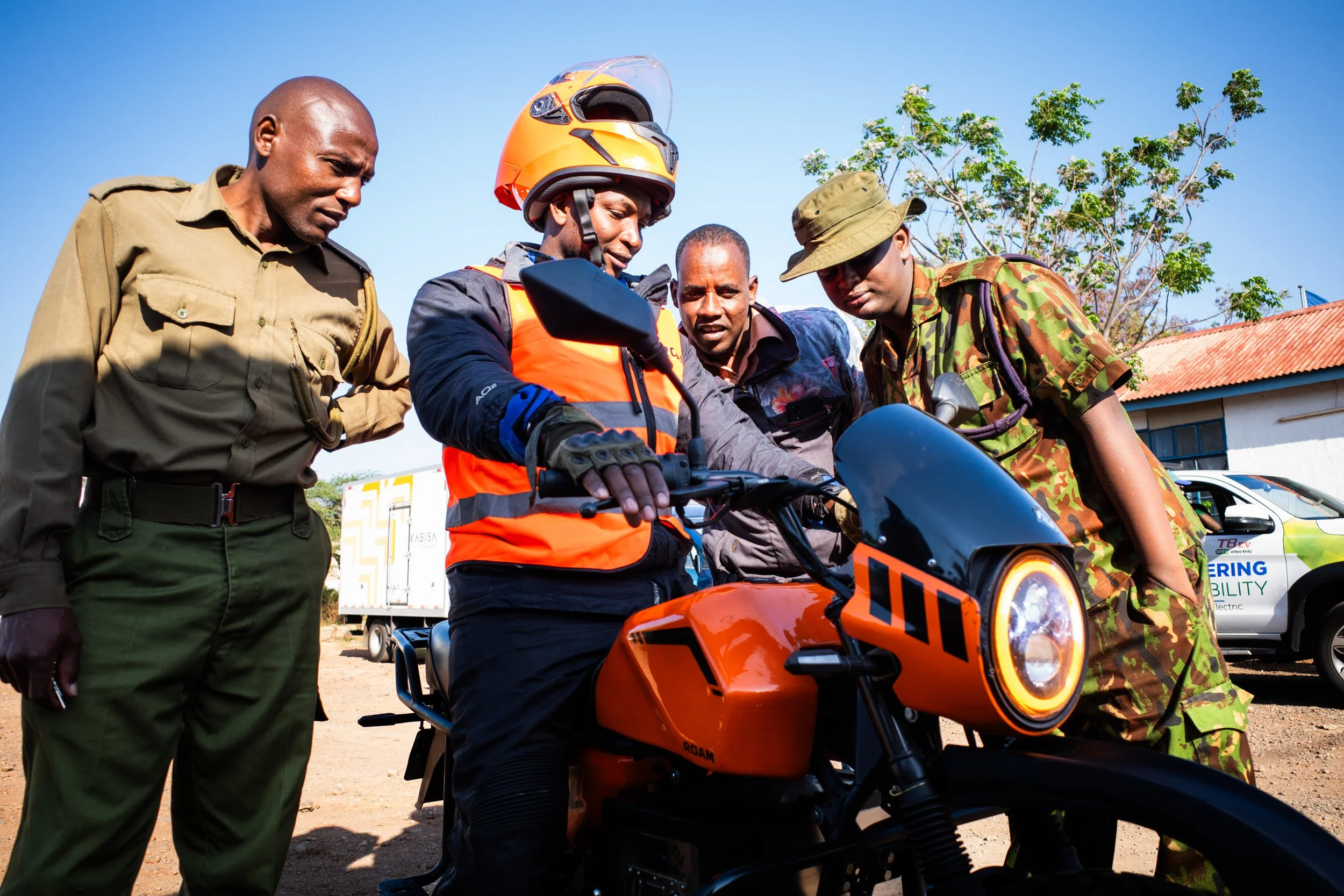
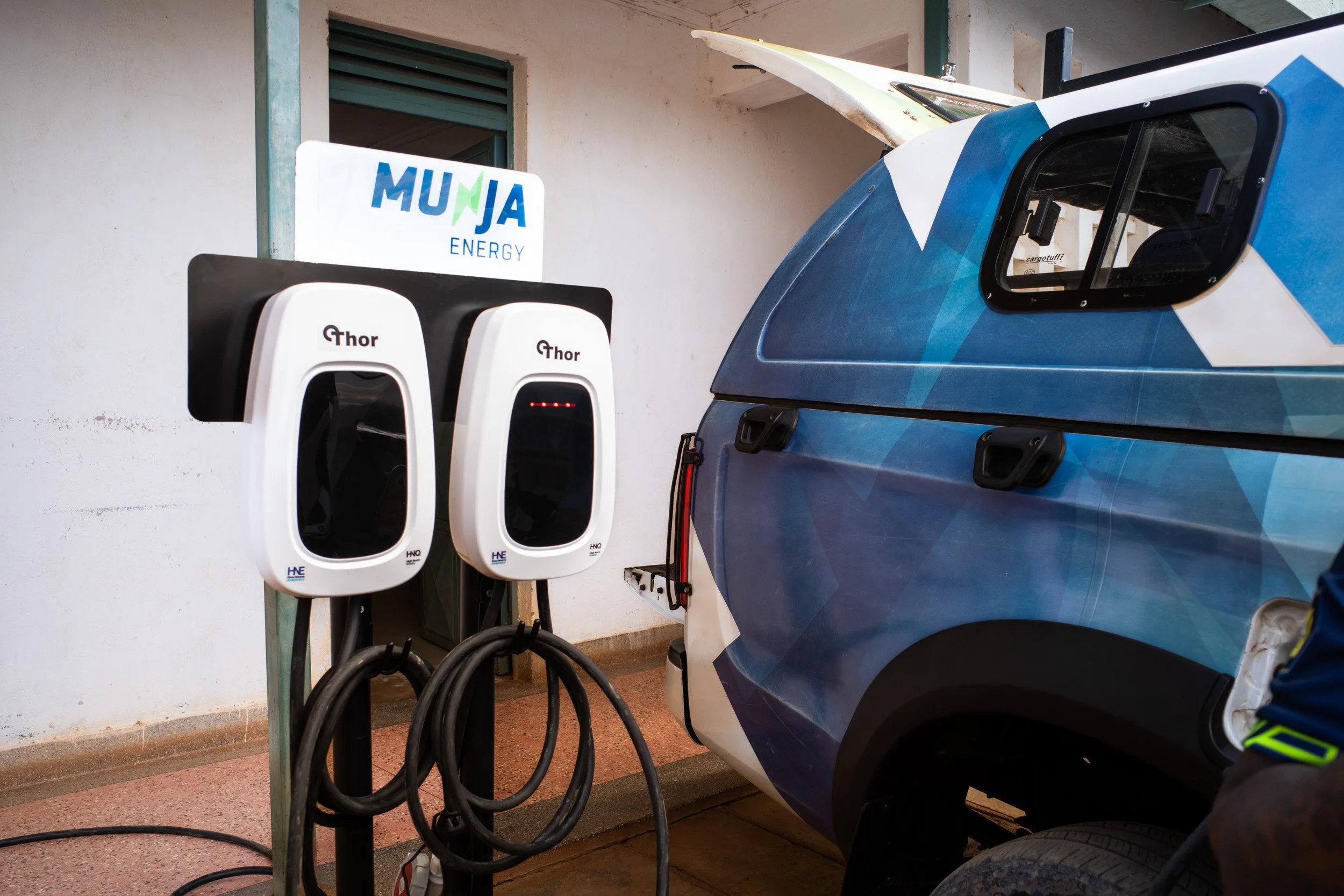
The morning in Marsabit, gathered a crowd, many were surprised to see that under the hood of the vehicles there was no engine at all. Questions shifted from “is this real” to “where would I charge if I had one”, and many were surprised that there was no exhaust.
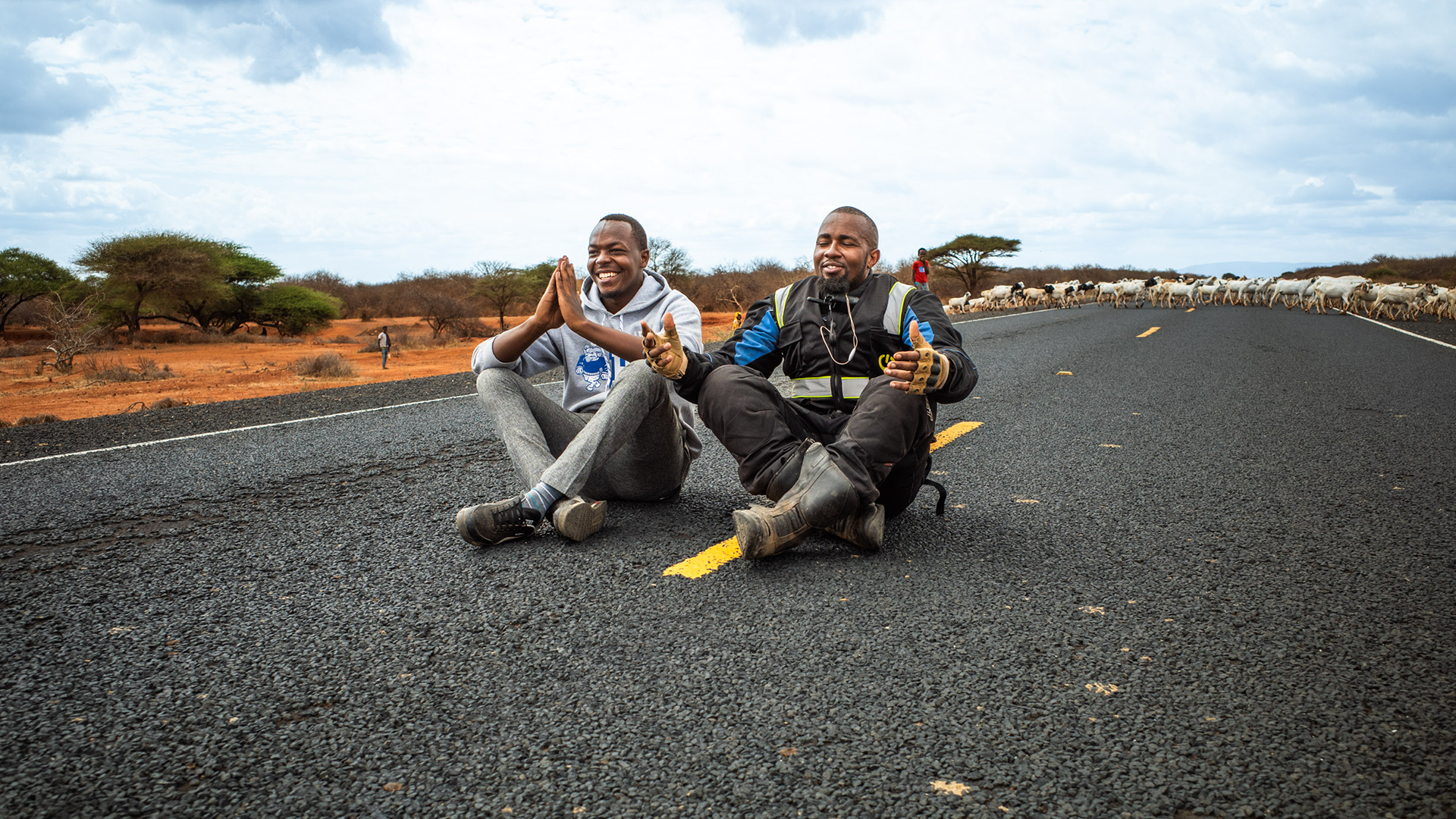
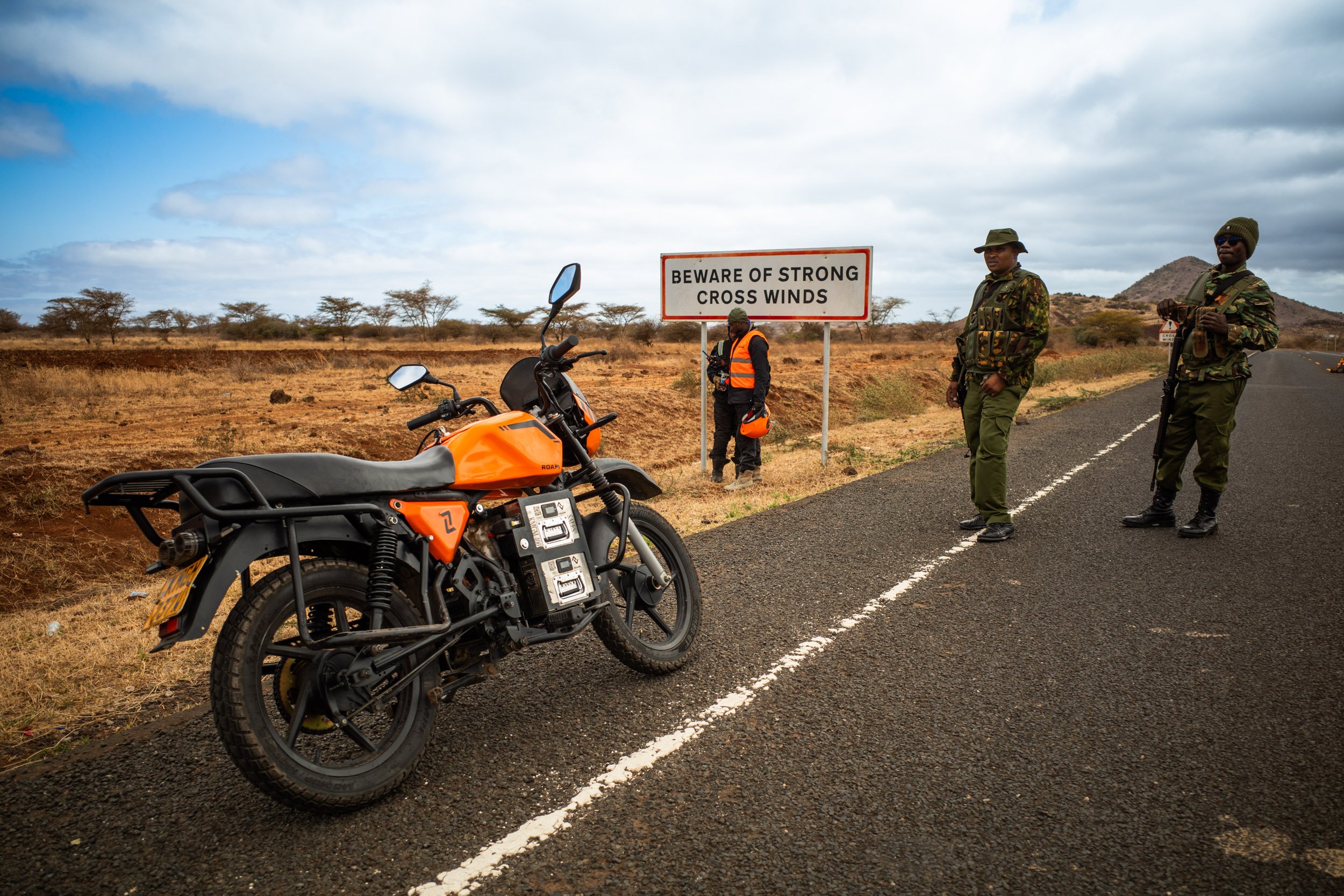
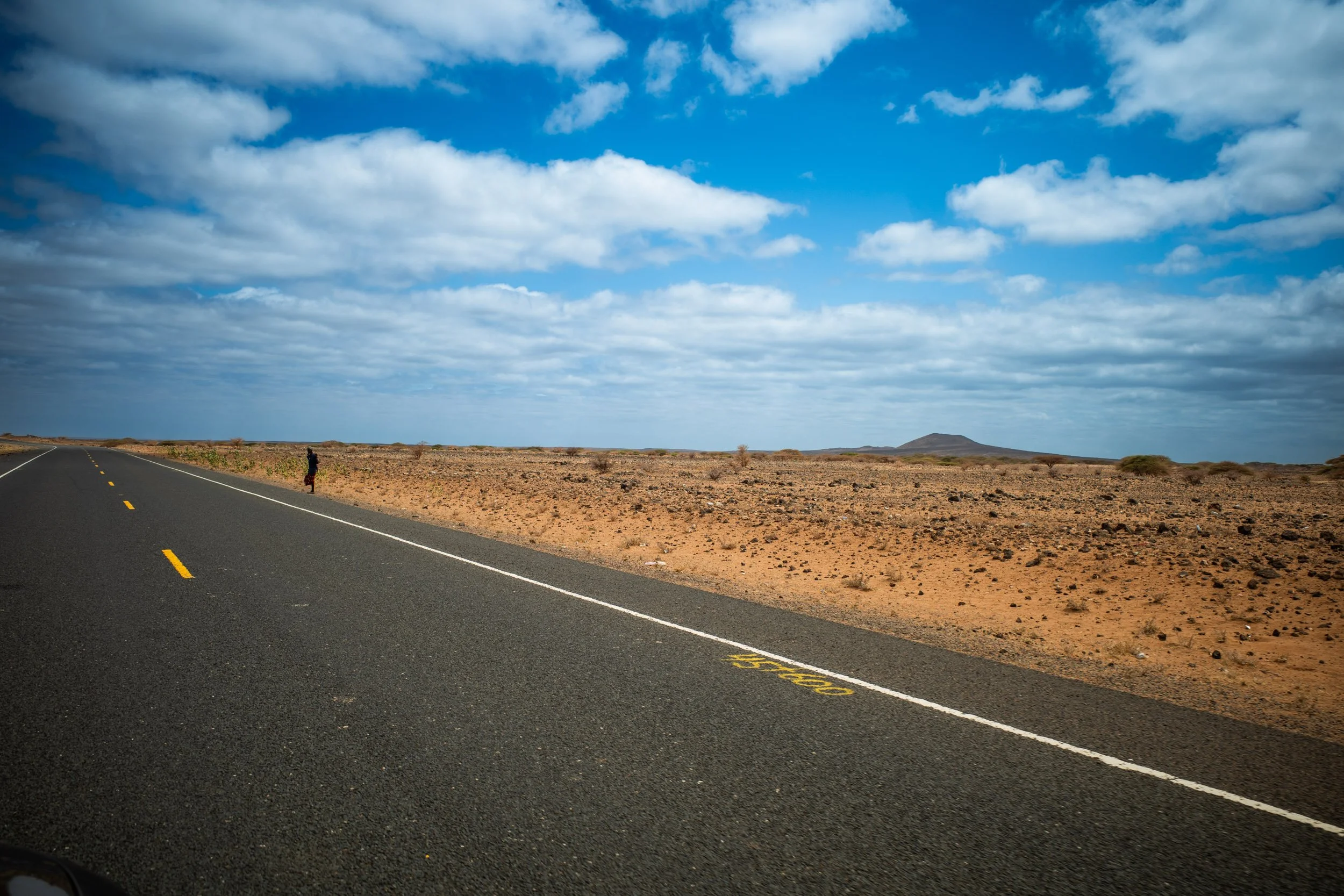
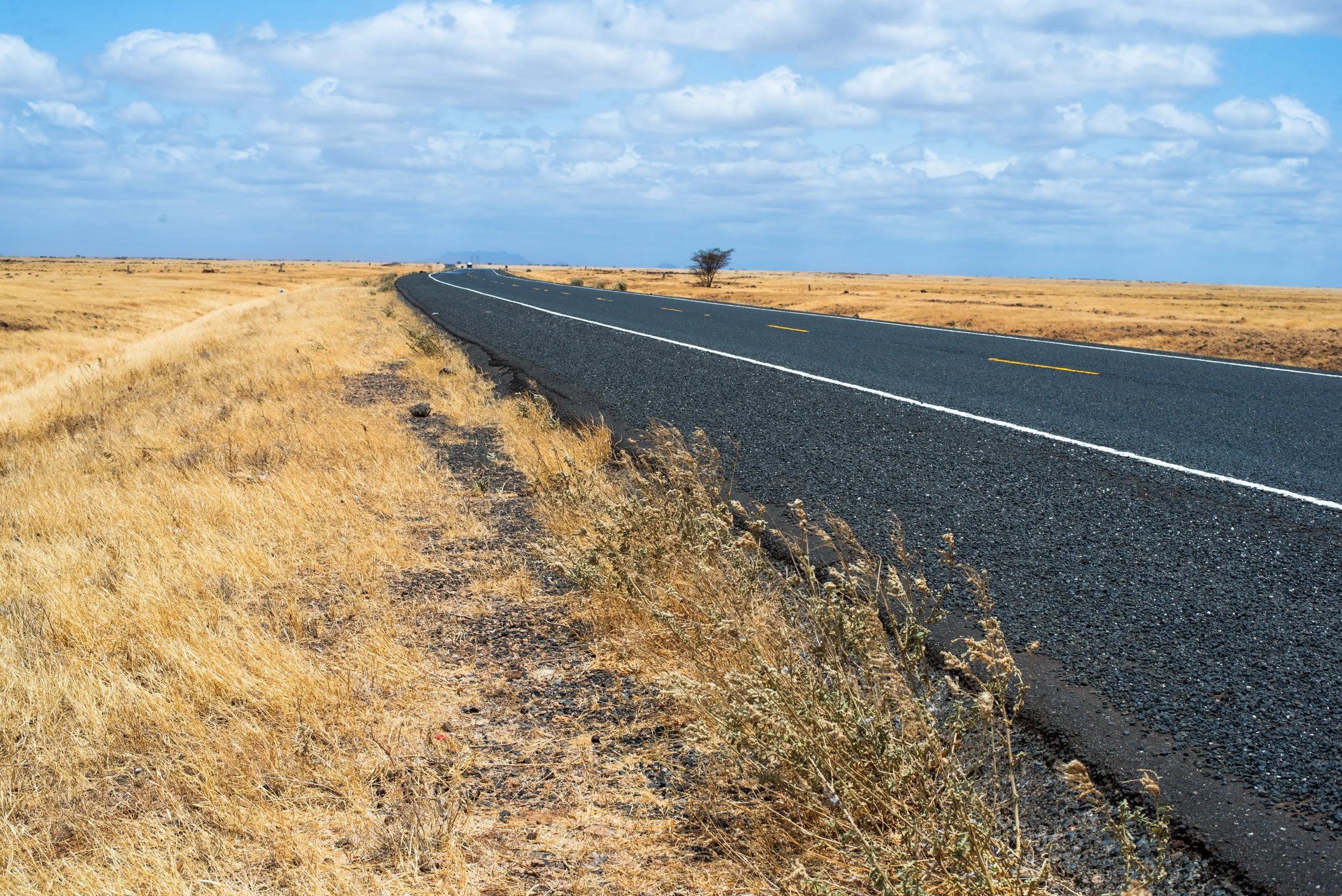
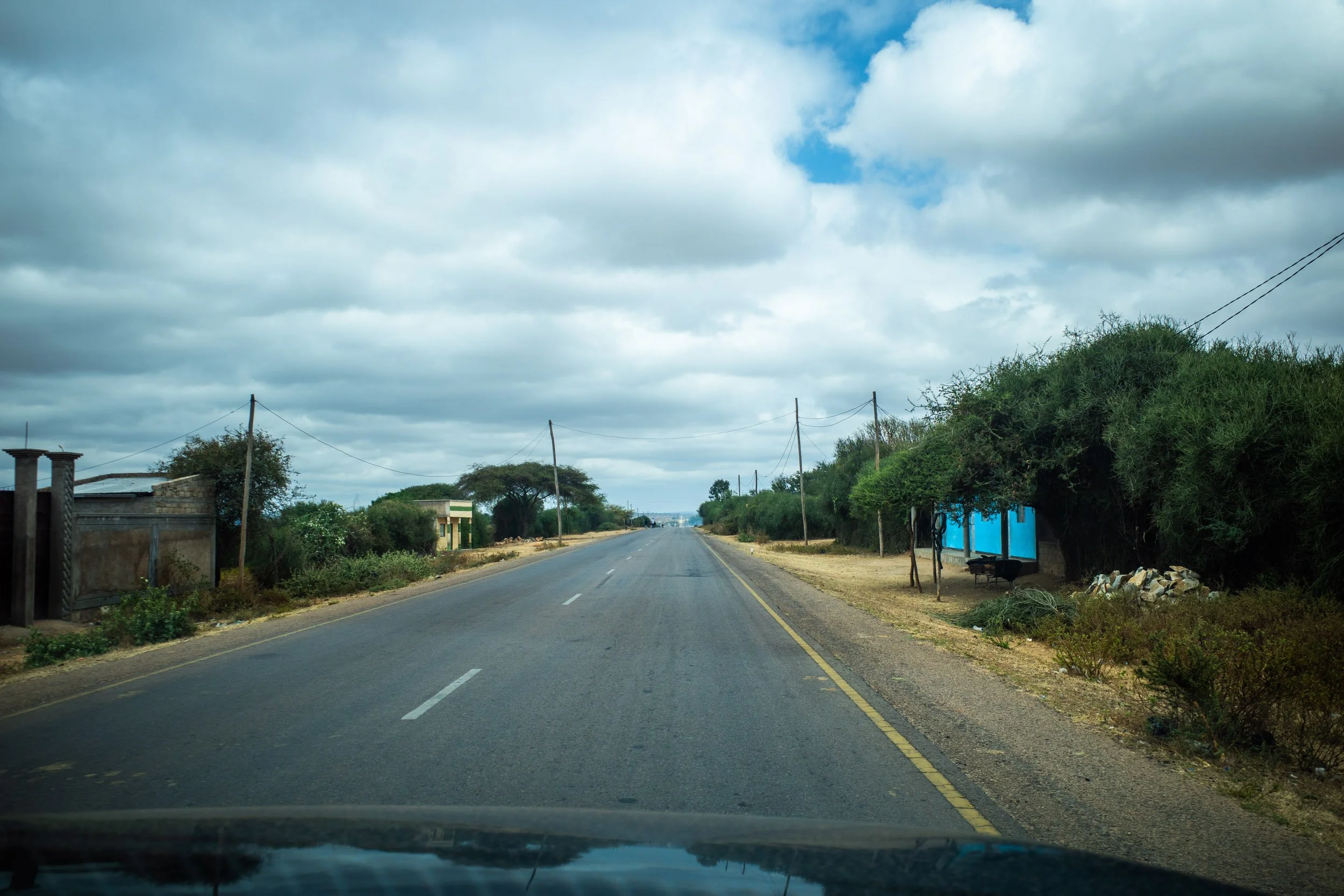
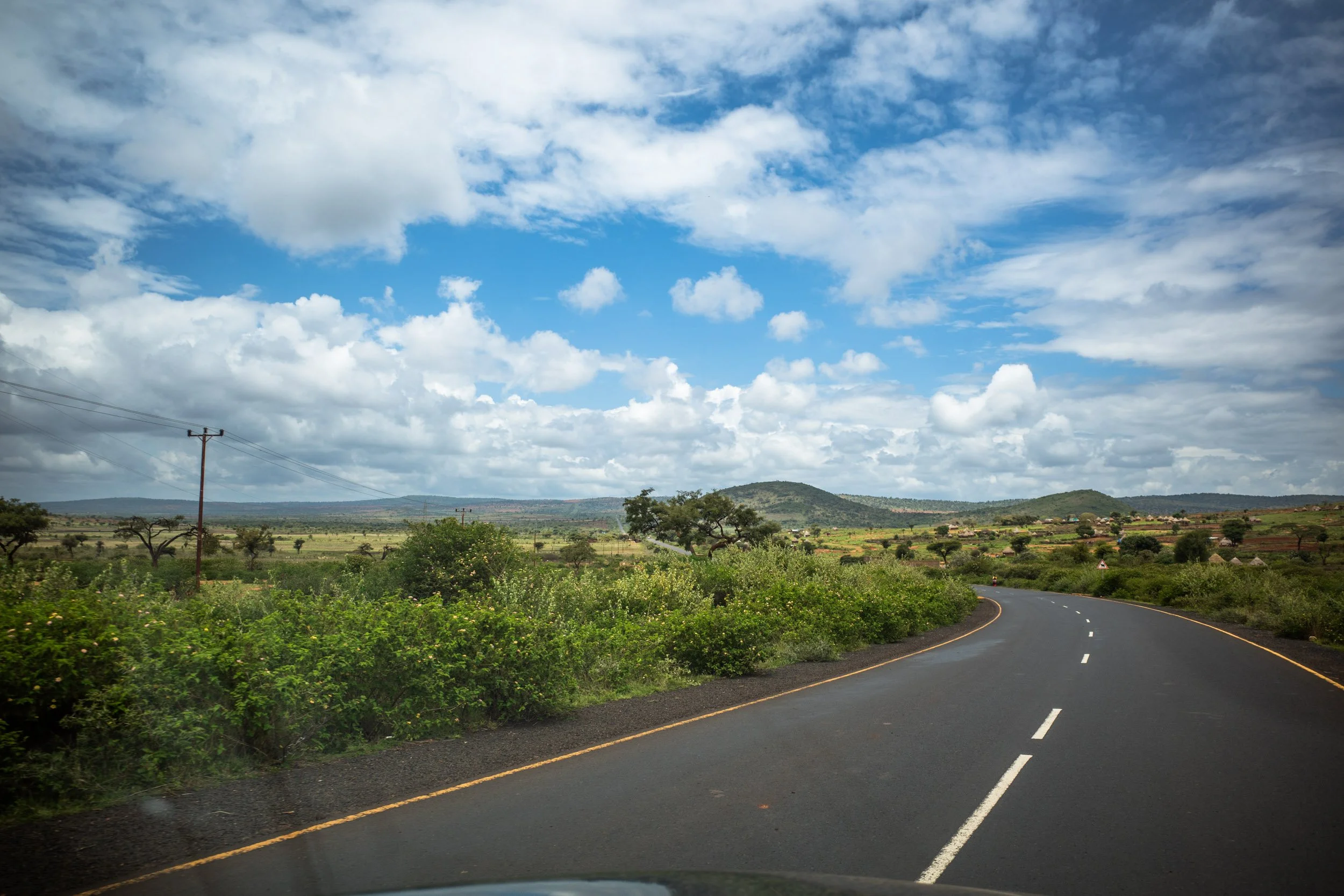
As we continued, the road to Moyale delivered powerful crosswinds, long empty stretches and a lot of attention. The electric truck and pickup shielded the motorbikes, showing how mixed fleets can support each other.
Arriving late in Moyale, the team faced its toughest institutional barrier so far: customs closed while in the middle of the process, the vehicles remained stuck between the countries, with no access to charging before clearance. The vehicles slept at the border with almost no energy left. This was a real constraint, setting us another day behind. The entire team slept in Moyale Ethiopia side.

Day Five: Crossing into Ethiopia 990 km
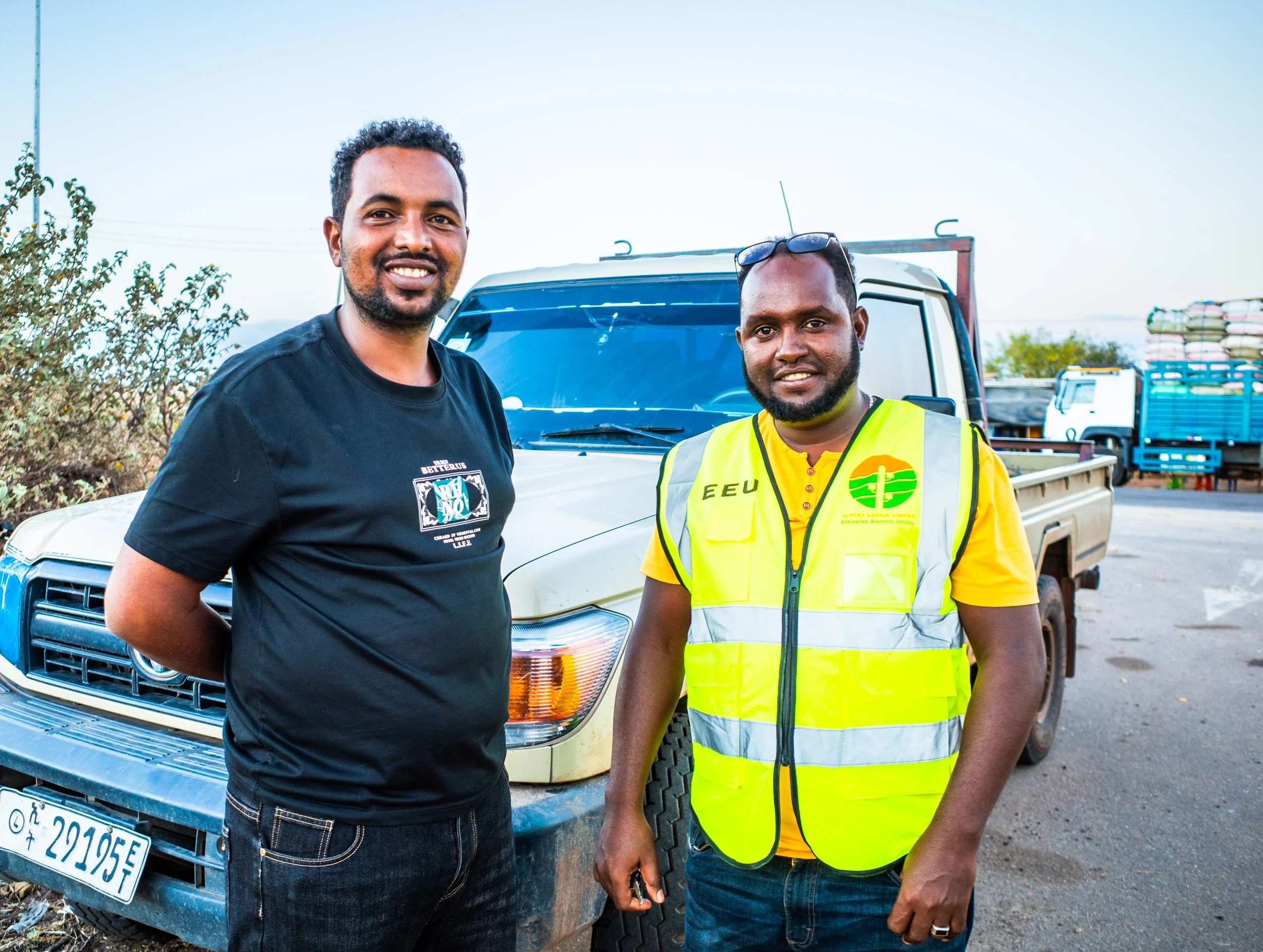
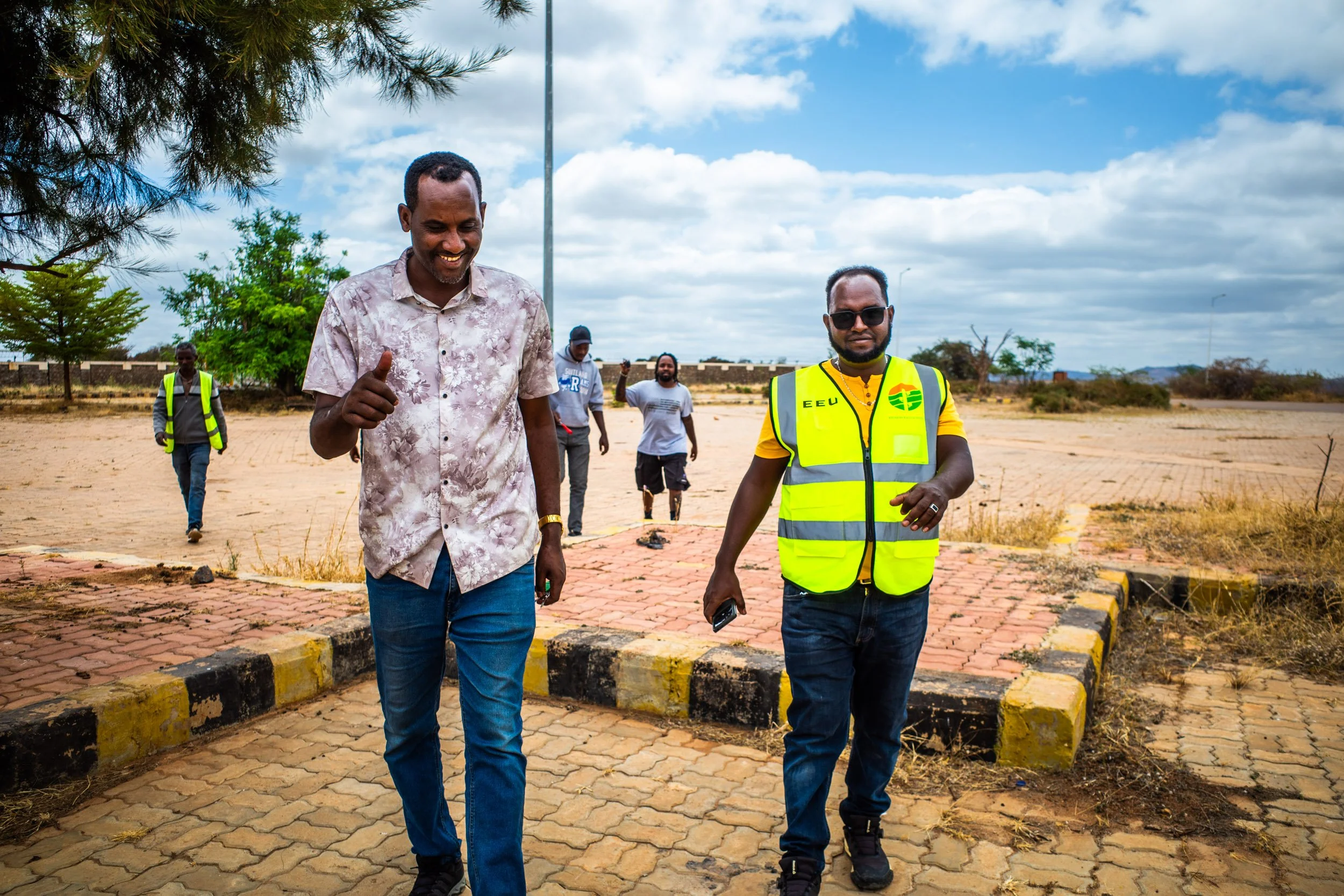
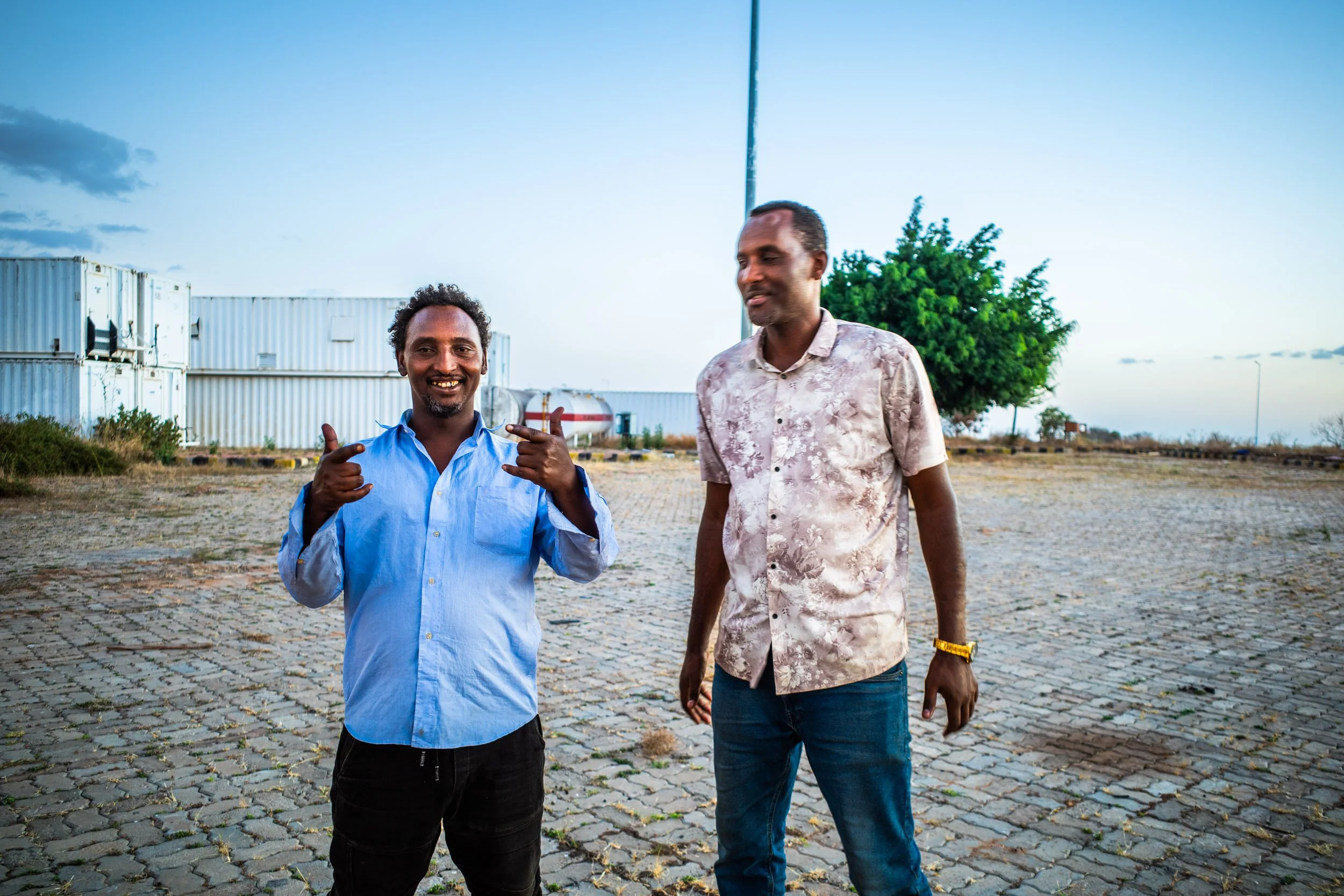
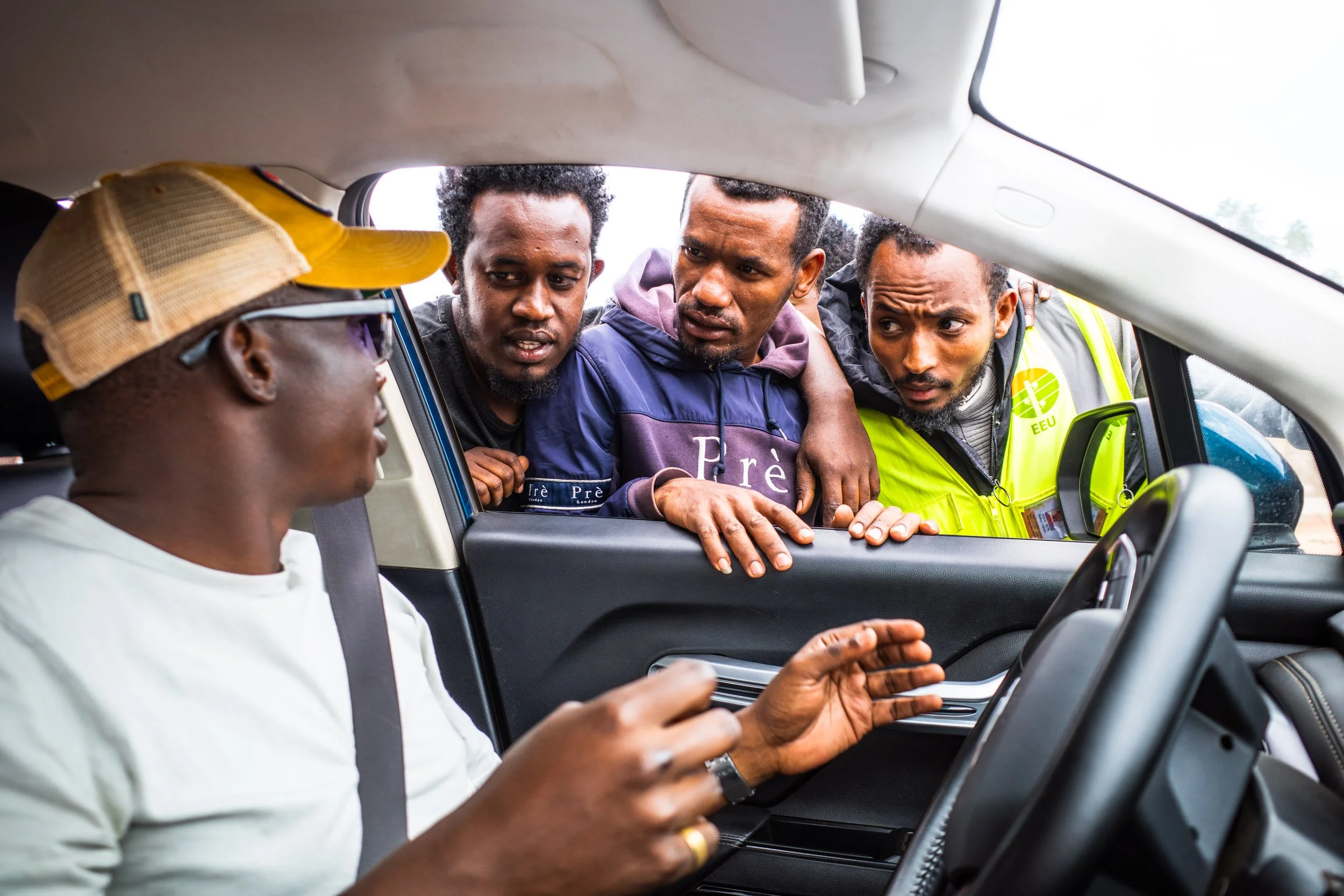
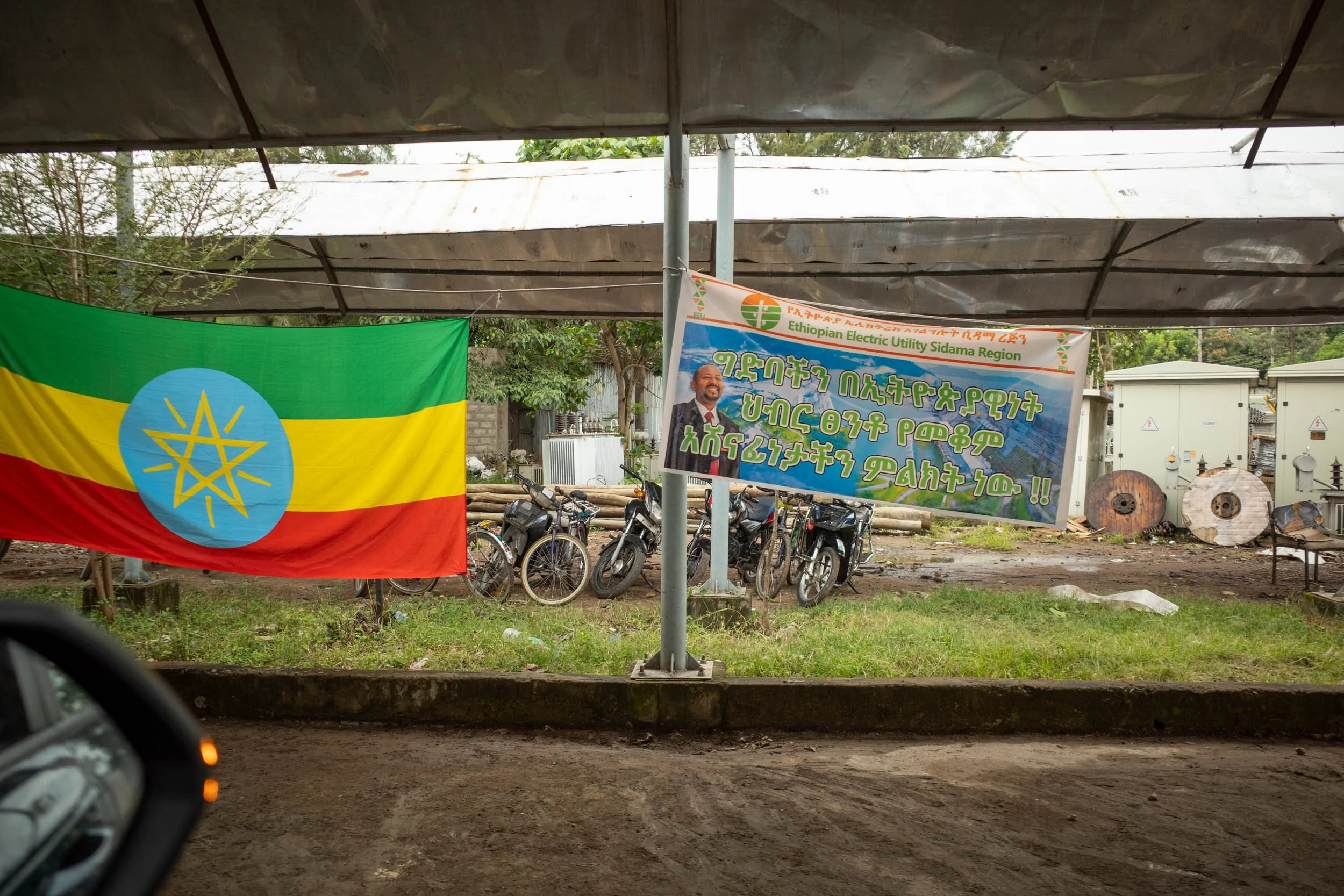
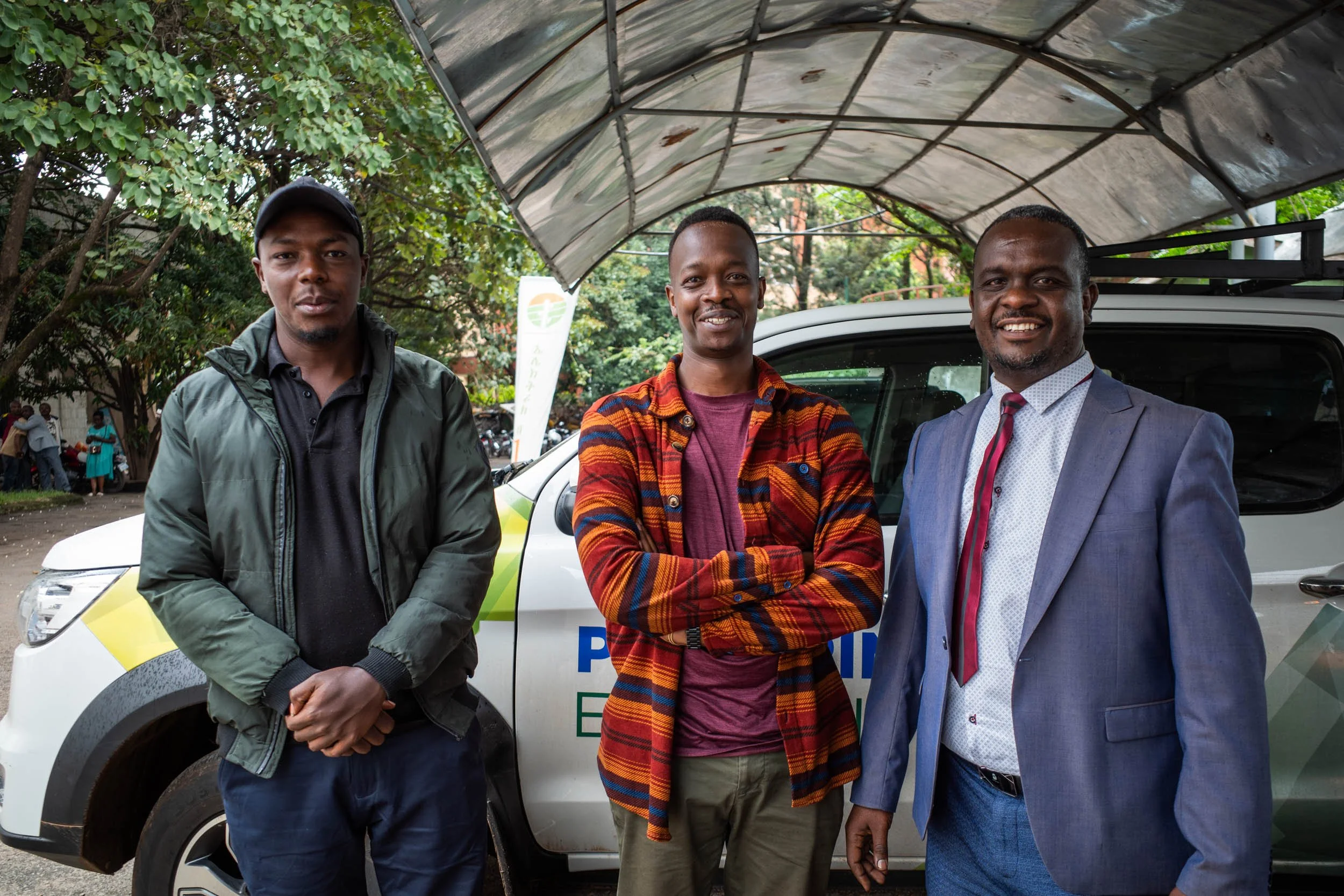
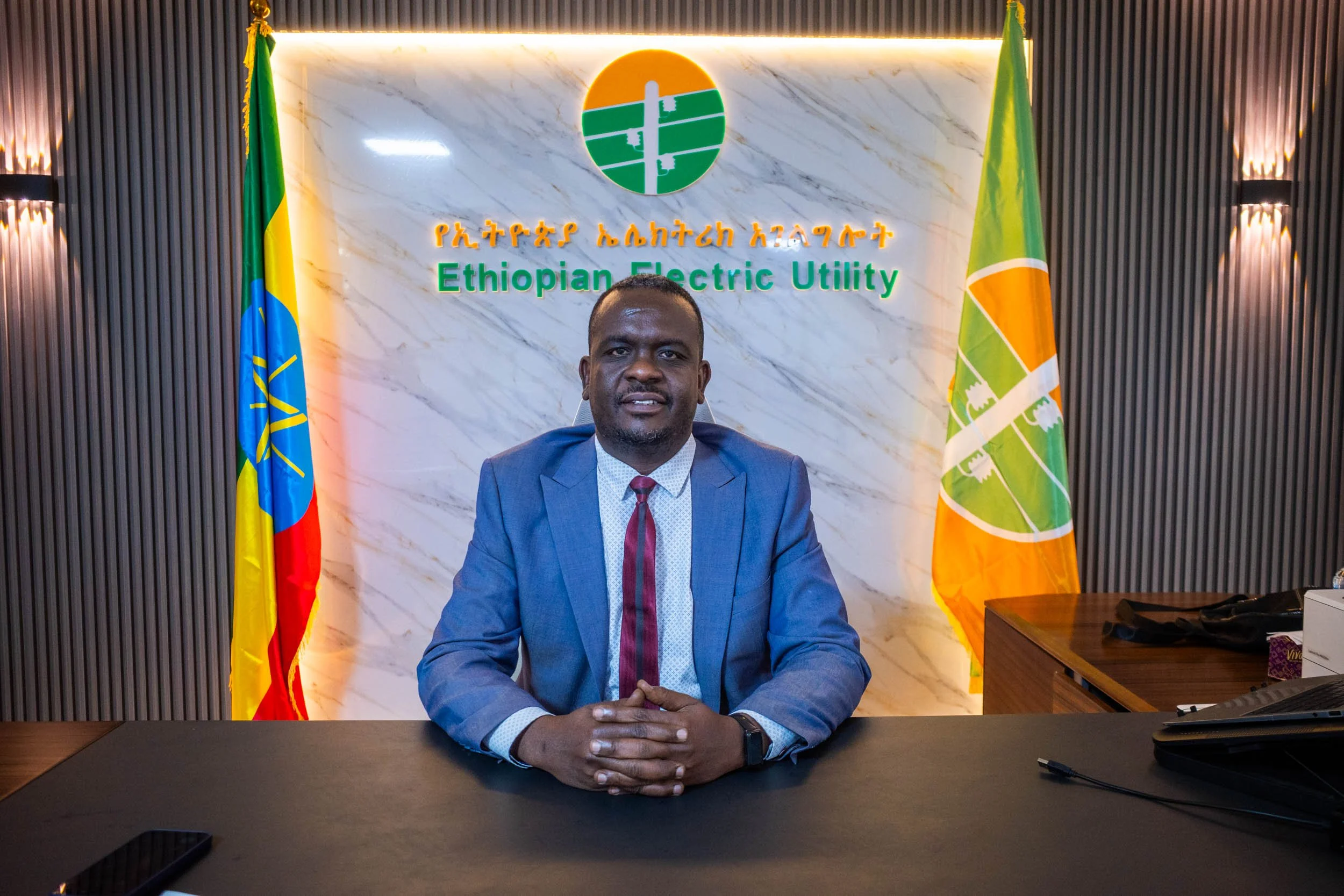
With support from Ethiopian partners, the convoy was cleared in the morning and escorted to an Ethiopian Electric Utility site set up in advance for charging. This was the first day of collaboration between KPLC and EEU, two neighbouring utility companies.
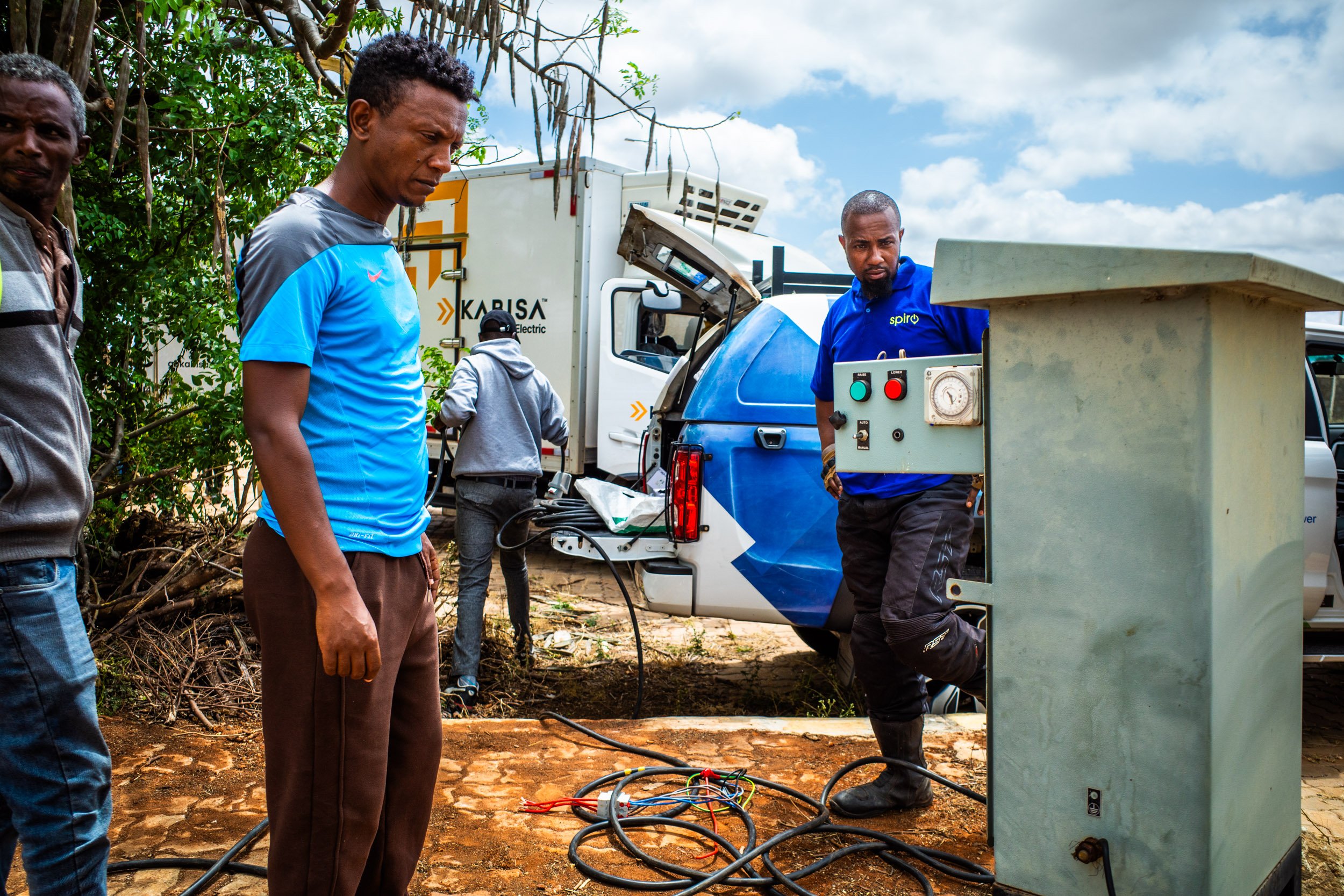
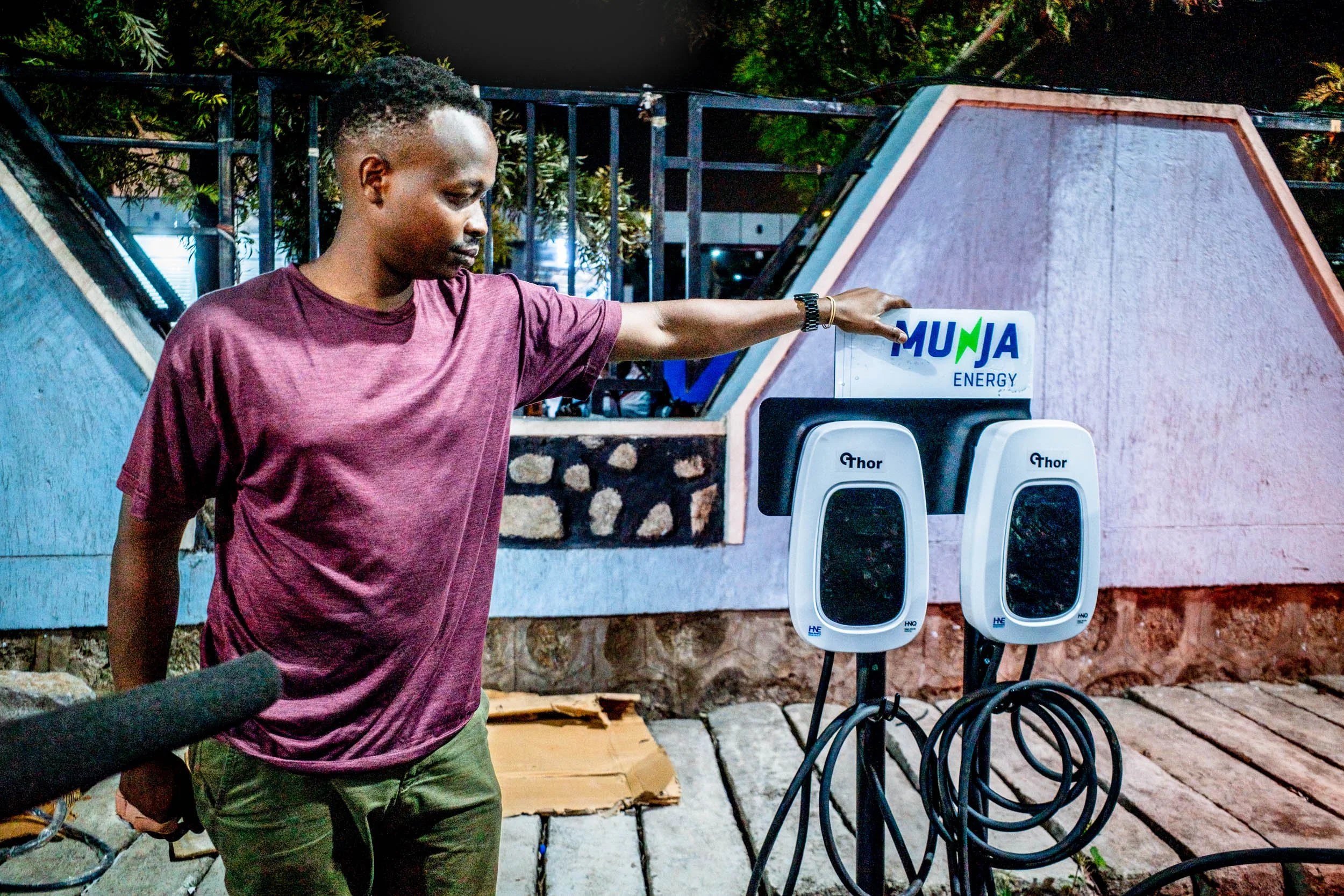
The day turned into a long static test. Slow and fast chargers shared between vehicles, different setups for different plugs, waiting for enough charge to make it safely to our next destination, Yabello.
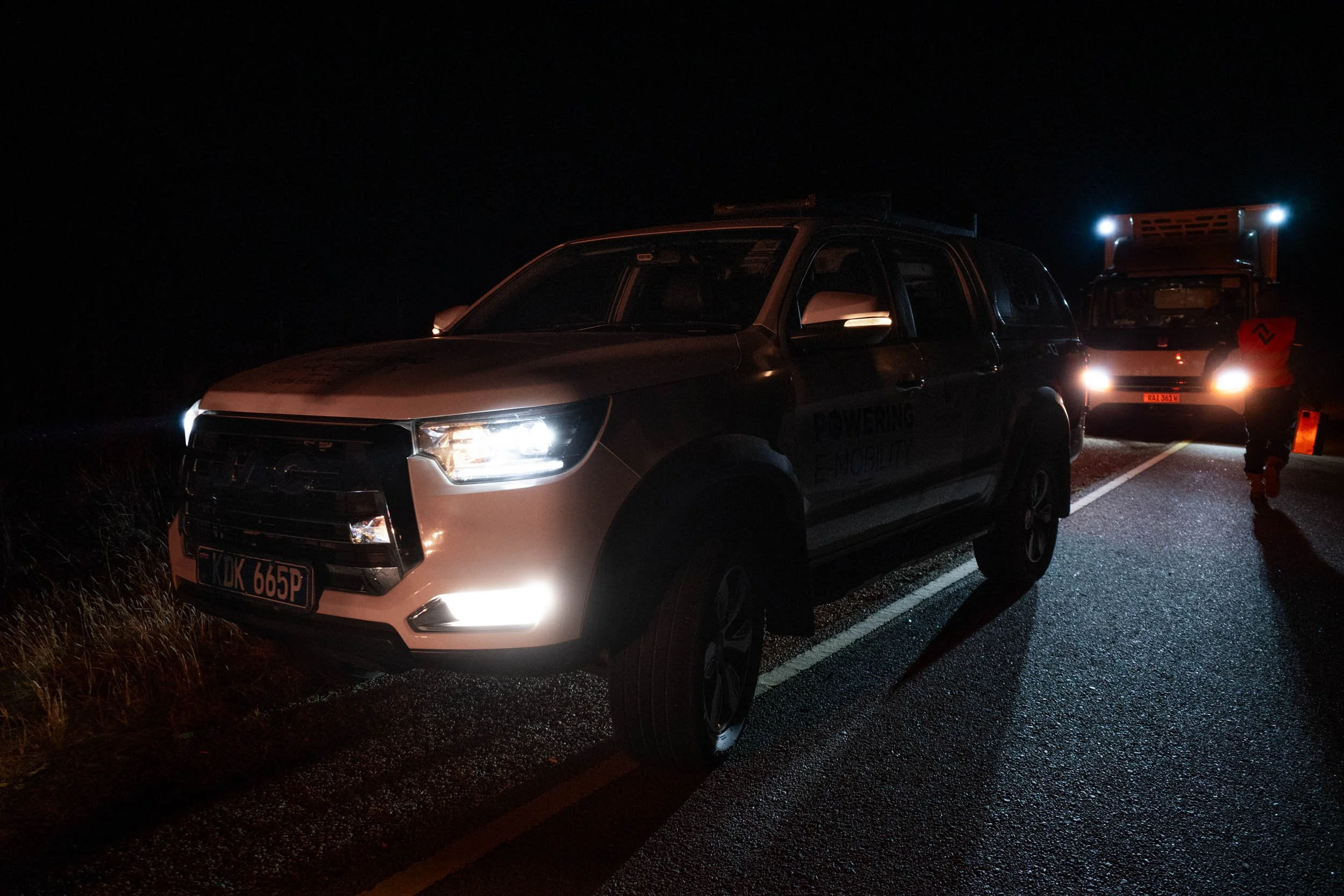
To not lose another day, we were forced to do a night-drive into Yabello. Quiet roads, a race to clear a key checkpoint before closure, and eventual arrival at Borana University where EEU teams were on standby to support charging in the middle of the night. This kind of cooperation, between utilities and pioneers on the ground, became one of the strongest signals of what is possible.

Day Six: Yabello to Dilla 1190 km
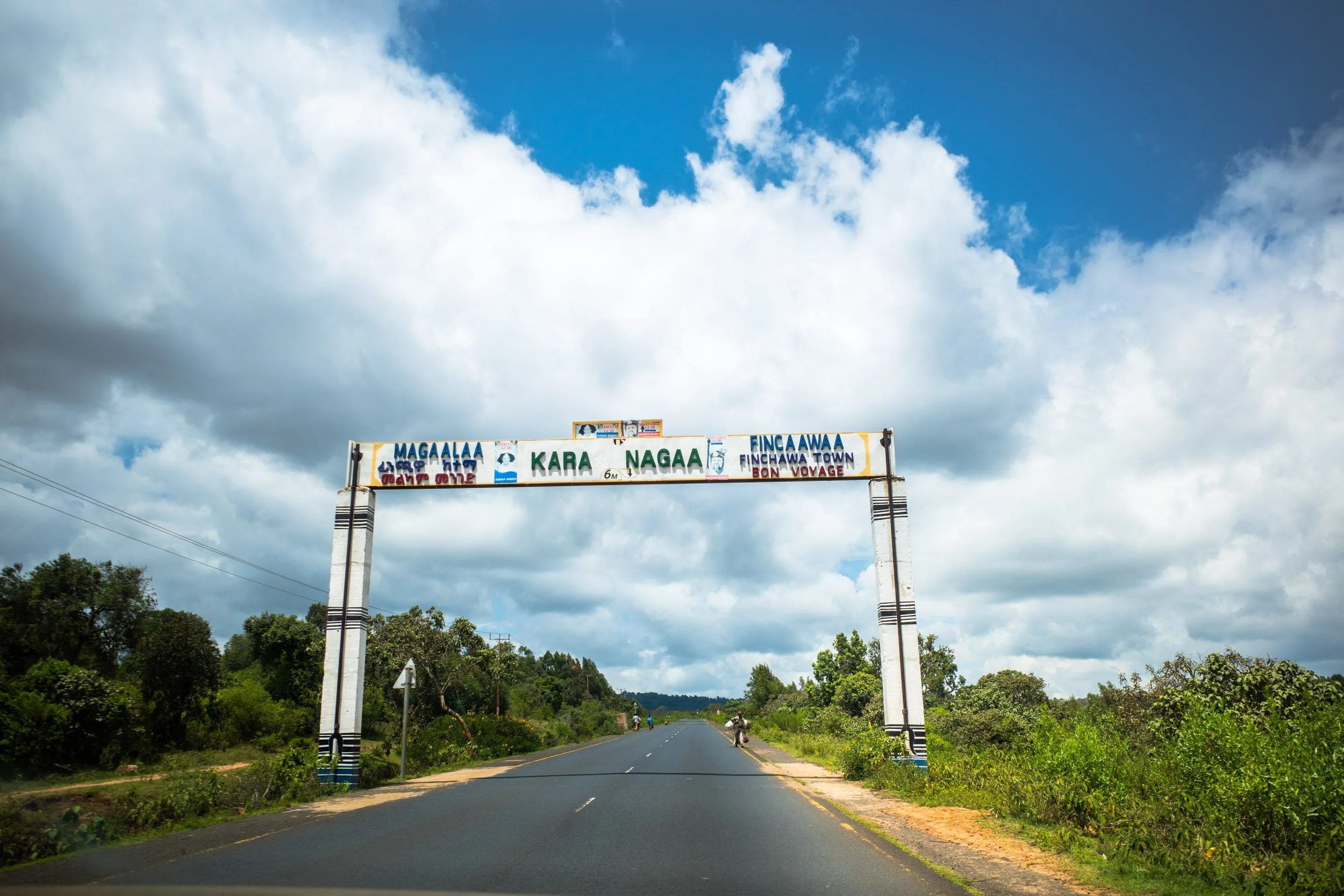
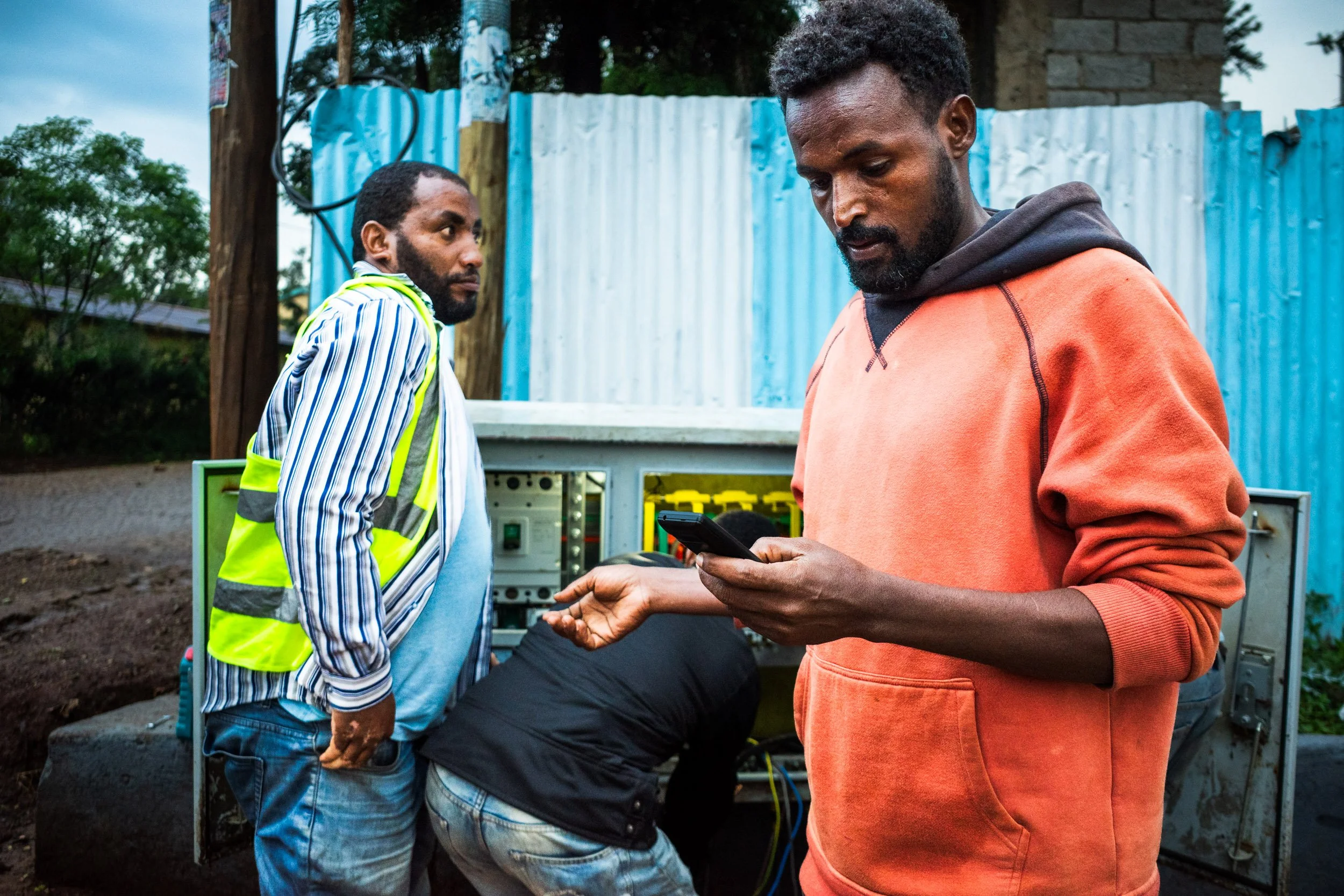
The road to Dilla passed through towns and checkpoints that function almost like internal borders, each with its own controls and customs. Thanks to pre-clearance, the team passed through relatively smoothly.
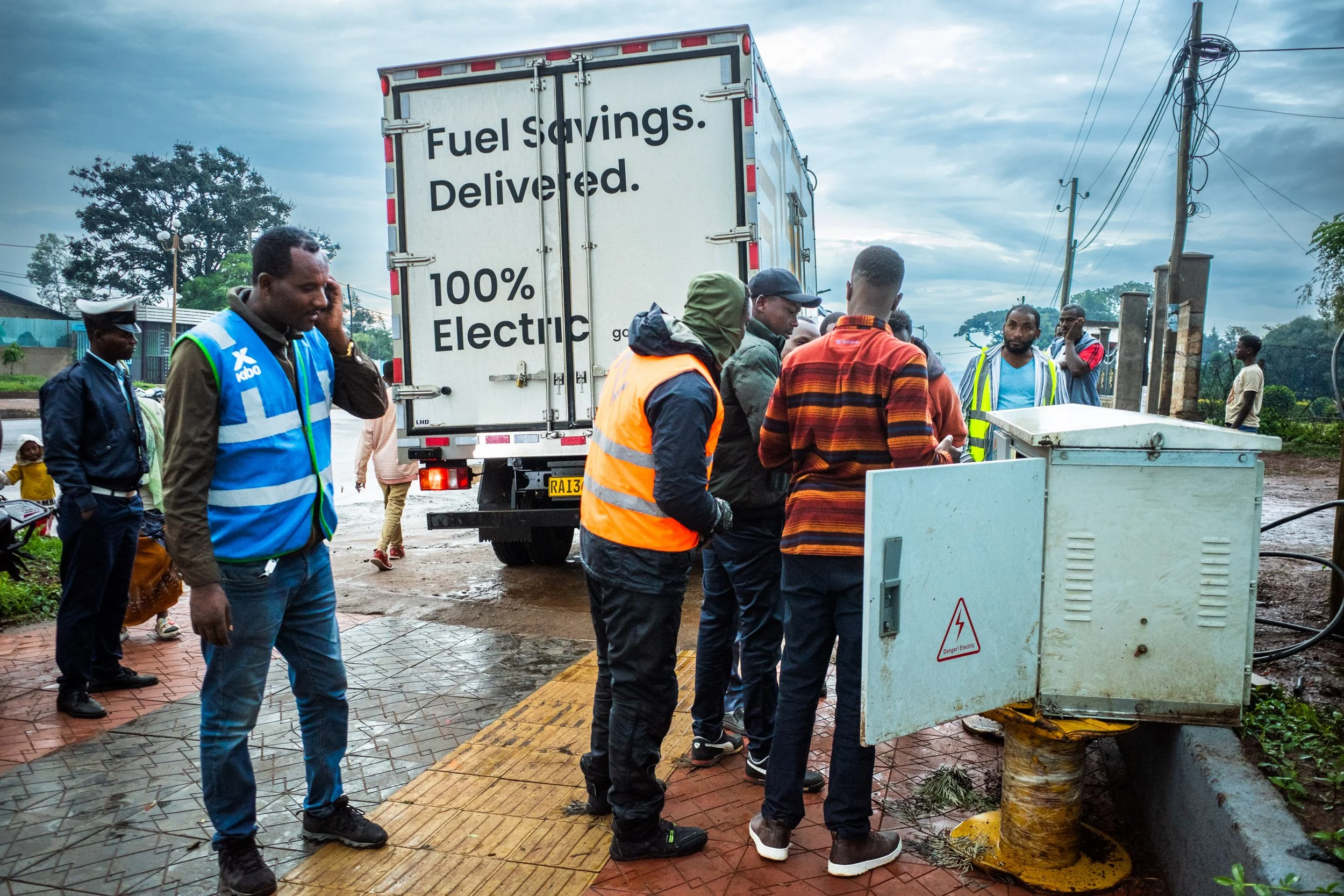
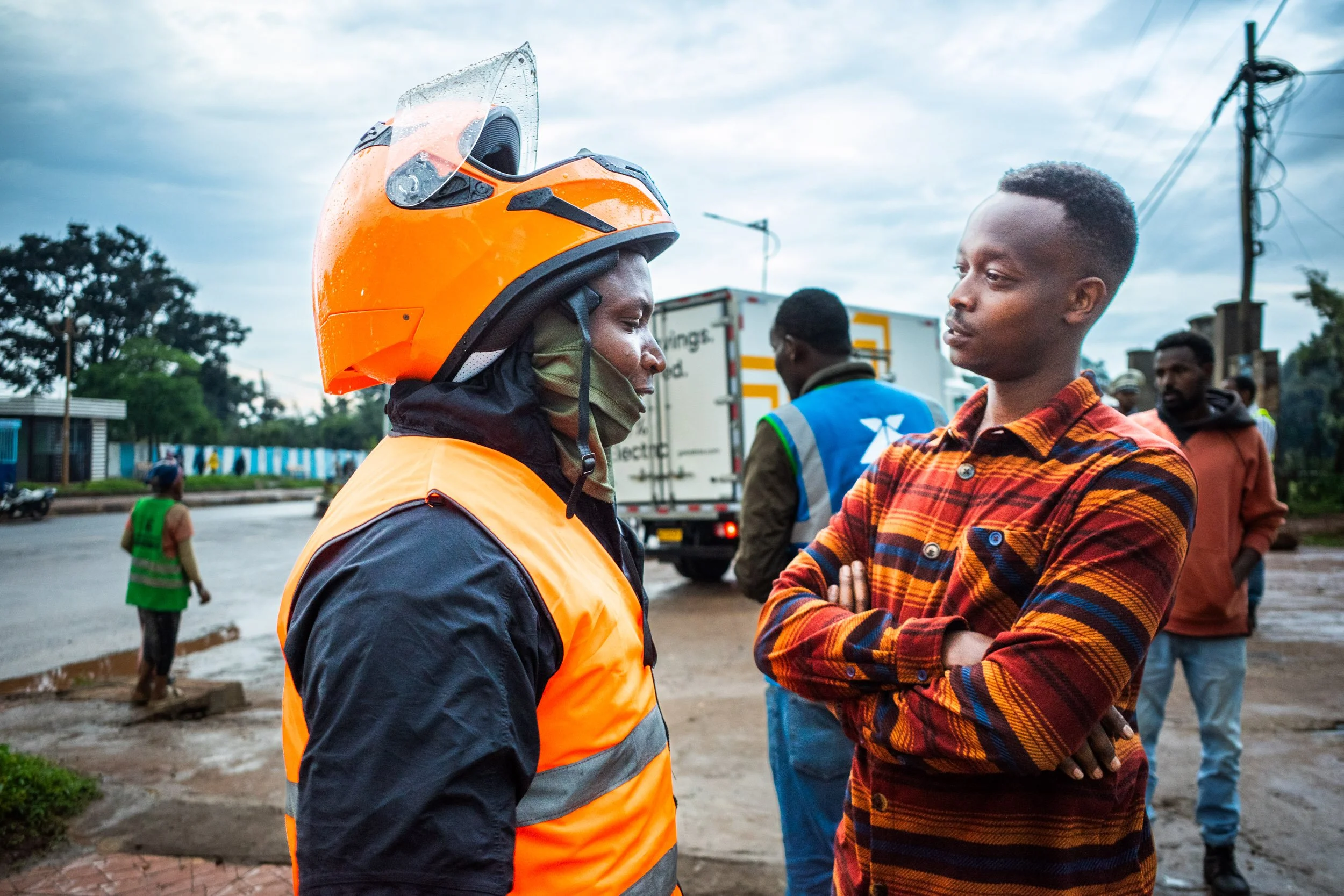
Along the way, children waved, people pointed at the plates, and conversations started in markets and on the roadside. We even heard about the convoy on the radio. The foreign vehicles and the story behind them made people wonder. Dilla greeted the convoy with prepared support from EEU and a distribution box for us to connect our portable chargers.

Day Seven: Dilla to Adama 1496 km
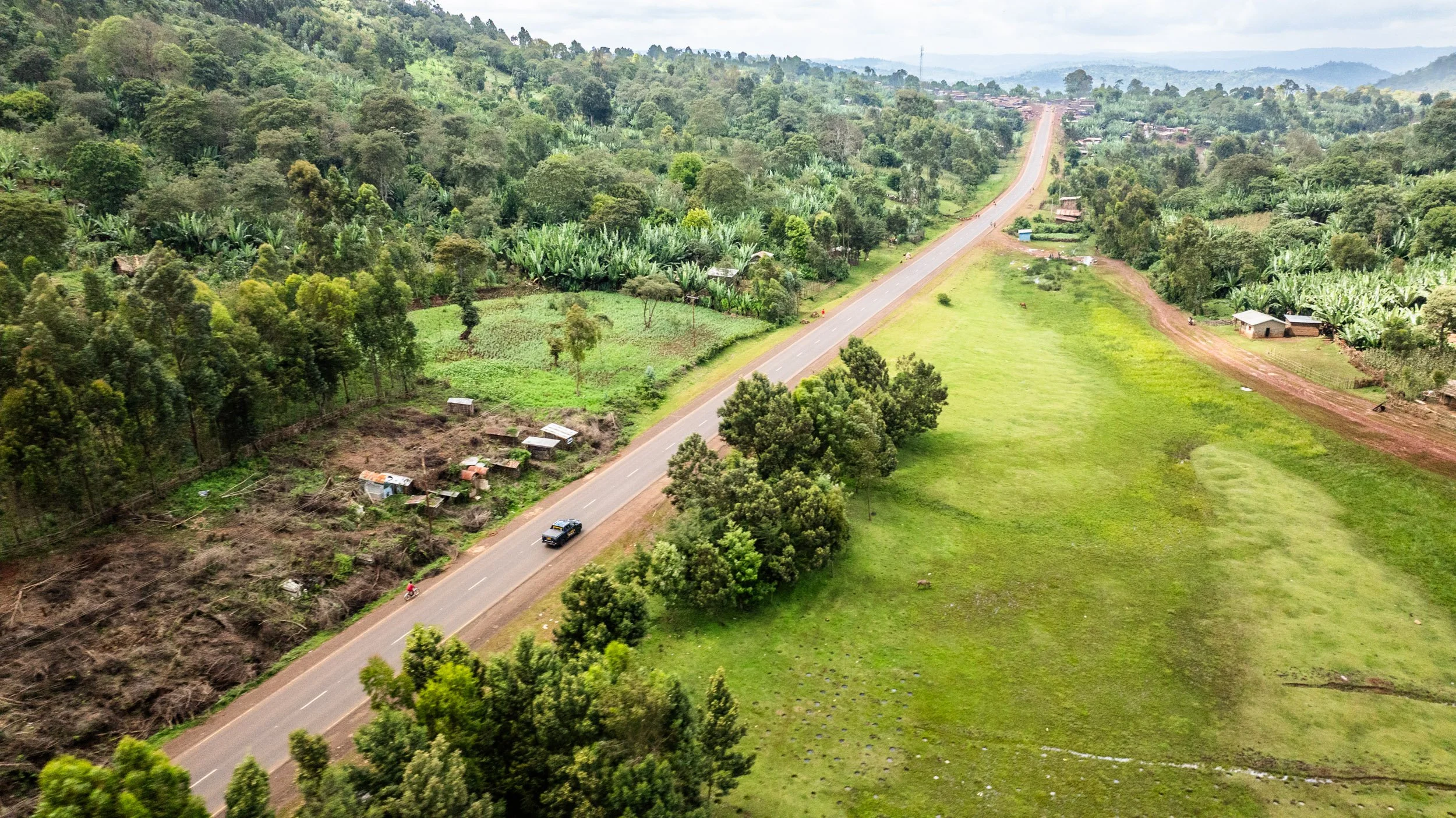
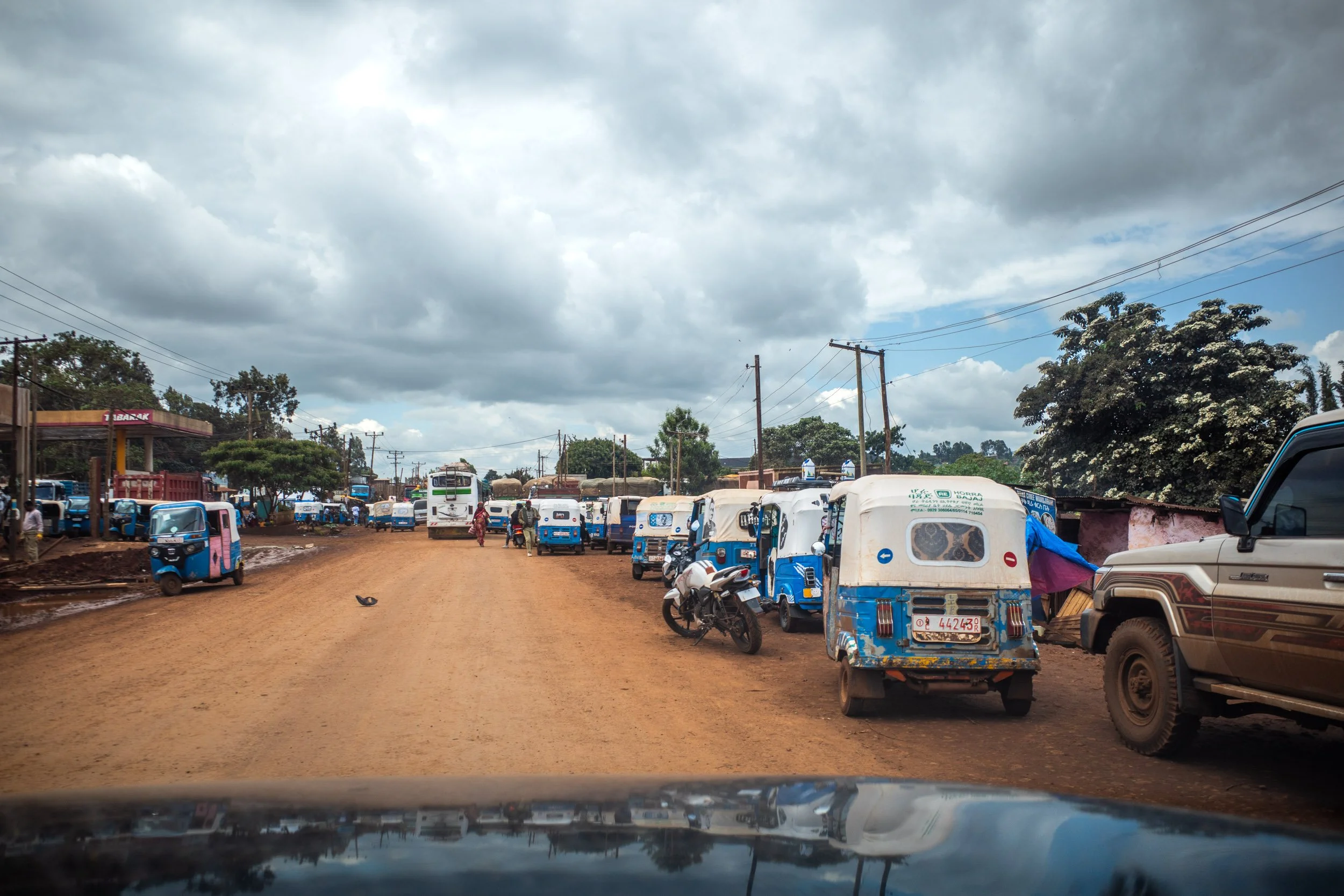
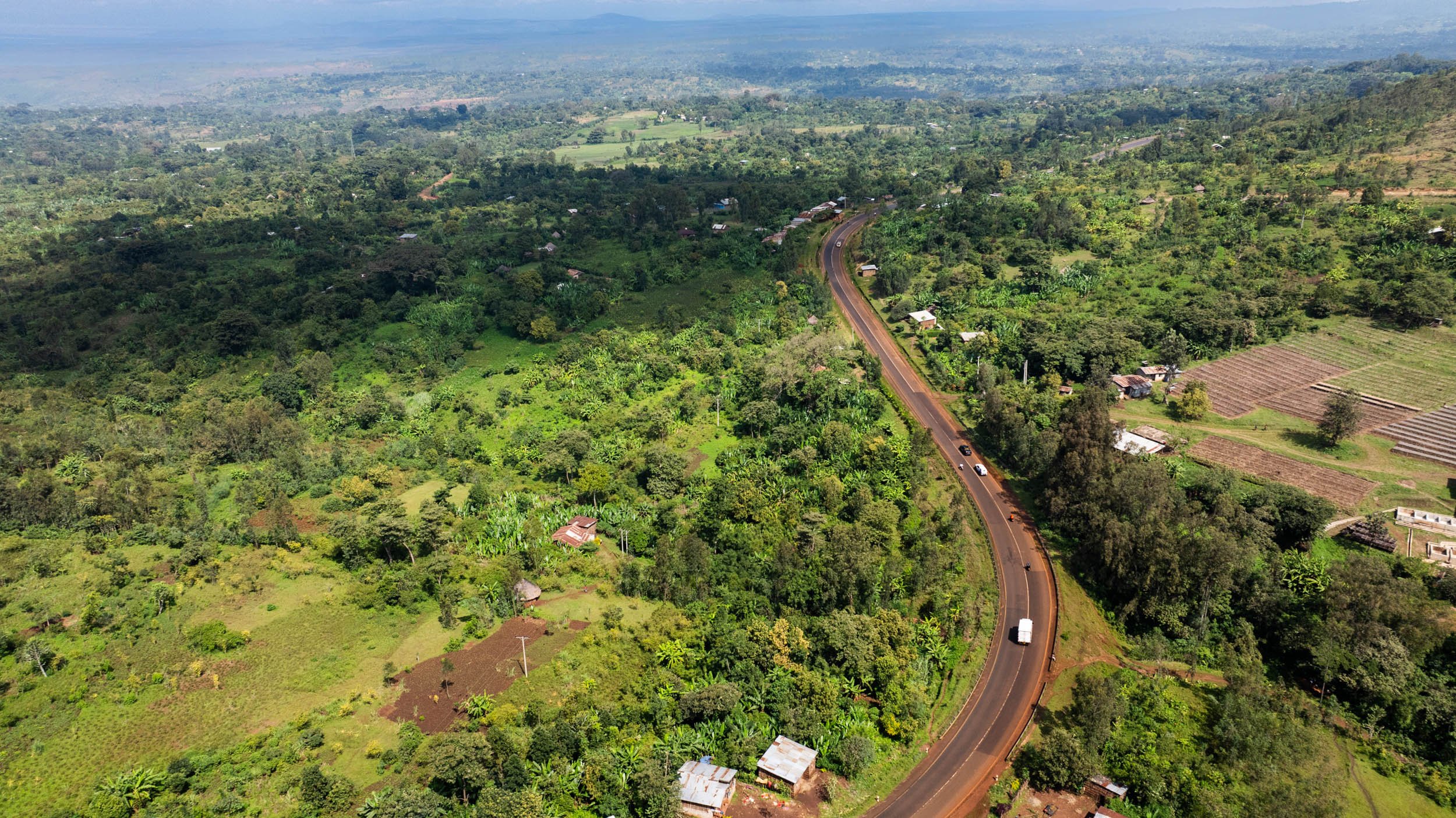
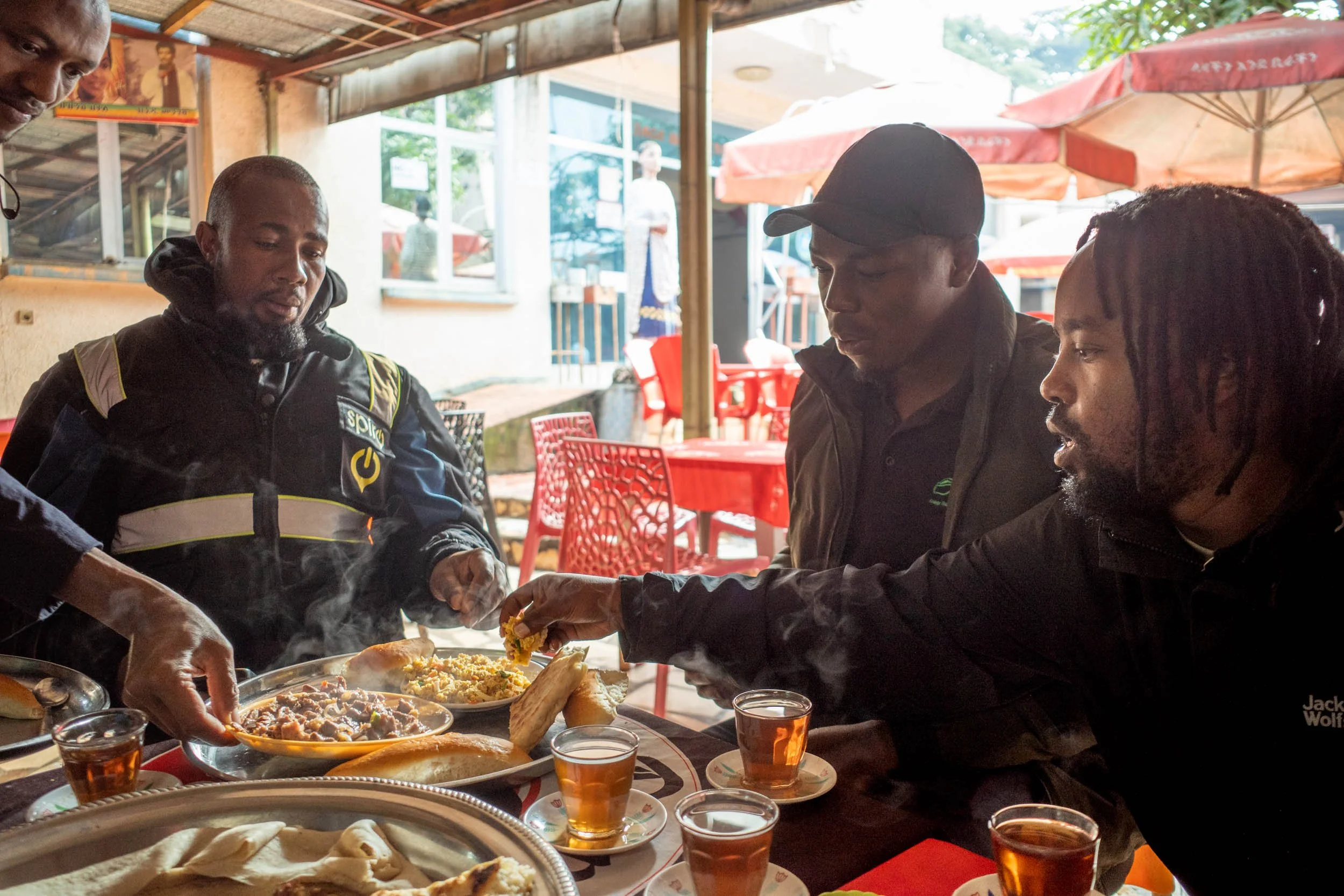
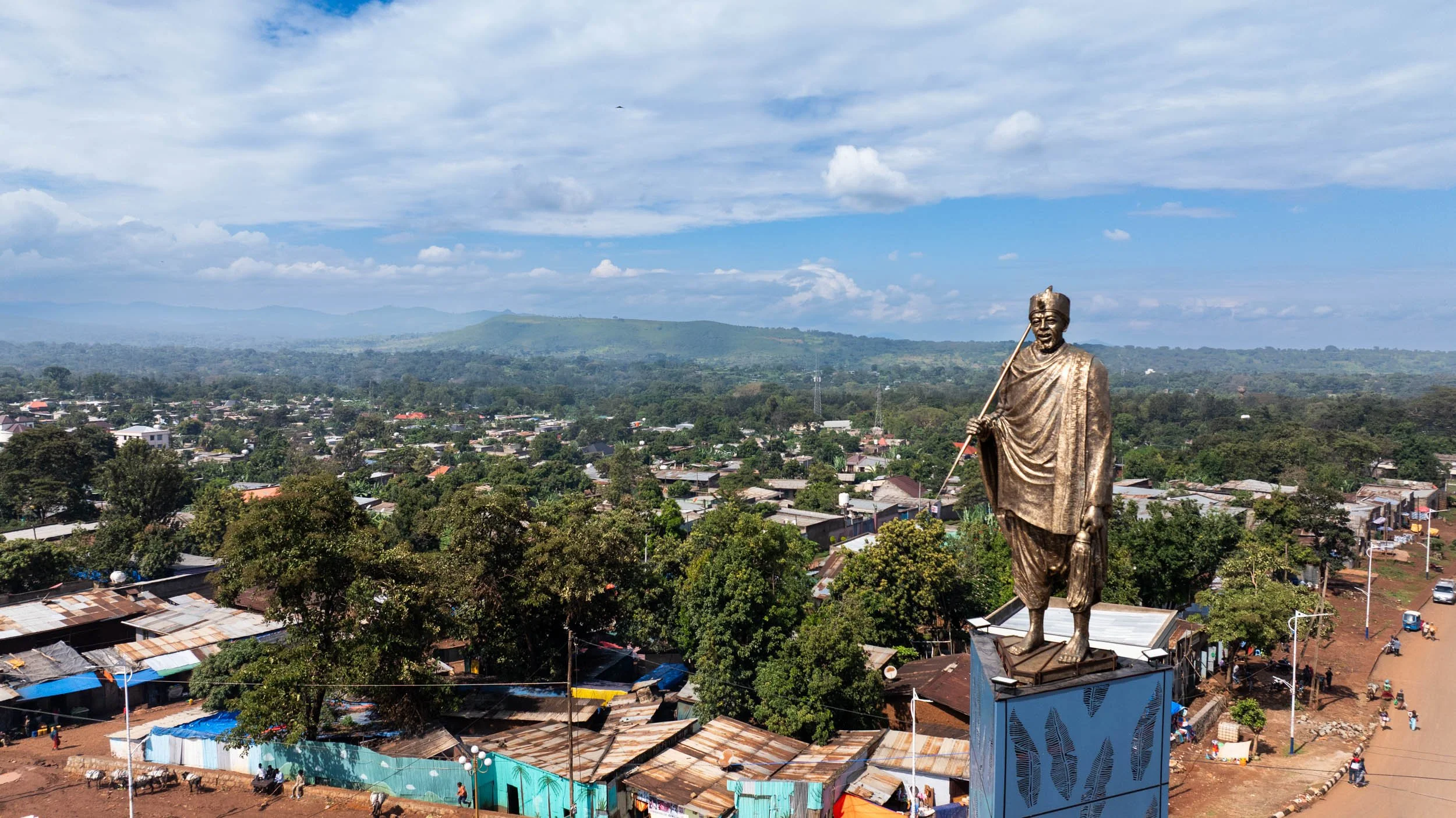
The instant torque made climbs smooth. Drone captured aerial views of dense traffic, three wheelers, carts, buses and EVs sharing the same corridor. In Hawassa, officials from EEU welcomed the team, arranged a charge for us at their regional office. At Hawassa we enjoyed a generous lunch by the lake while the vehicles topped up.
Later, as the convoy approached Ziway, a police escort joined. The vehicles then entered the Hawassa-Adama Expressway where another police convoy was waiting for us to accompany us all the way to Adama. We reached Adama late at night, as it became the usual. Charging was arranged at an old bus terminal where distribution boxes with reliable power were available.









Day Eight: Into Addis 1600 km
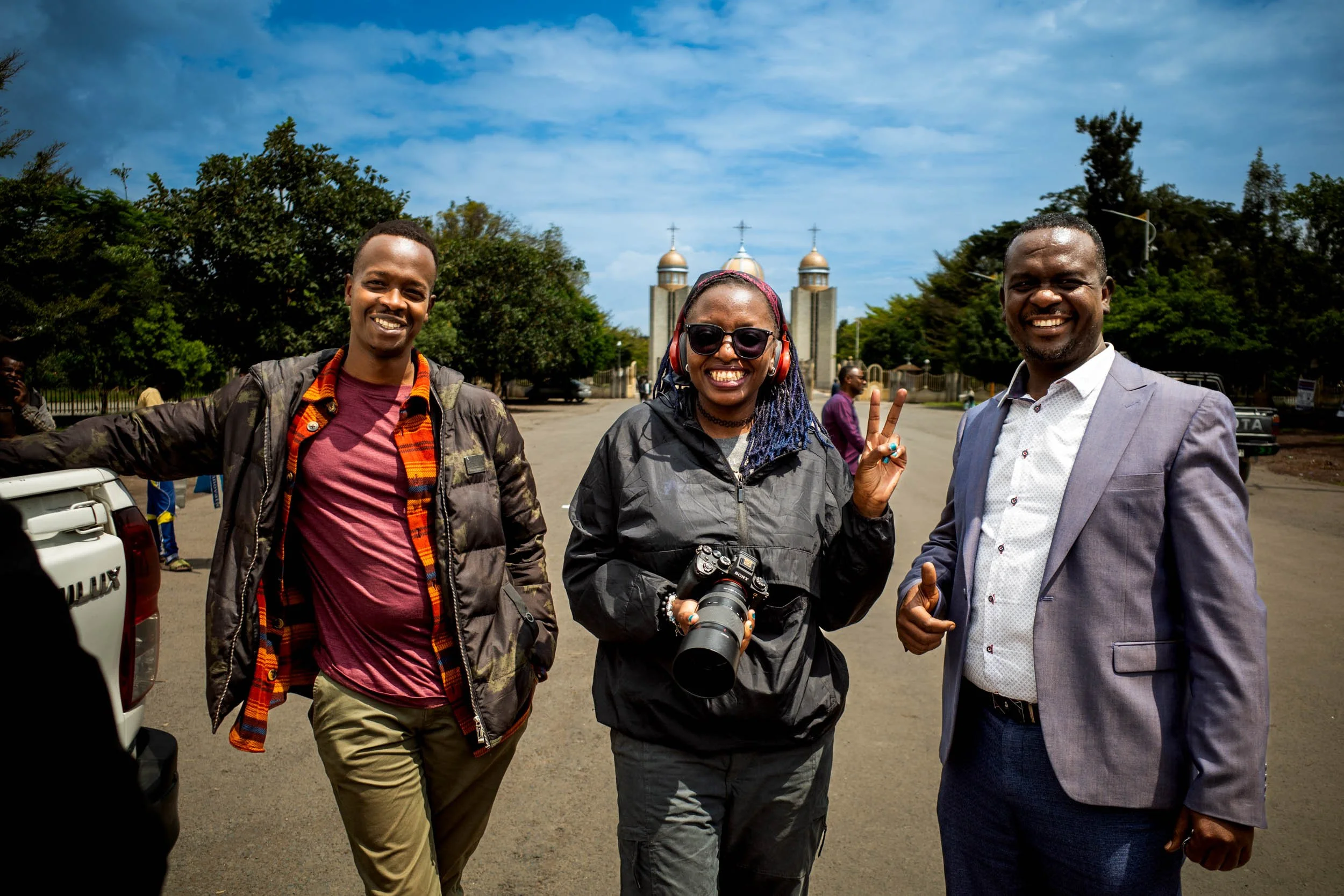
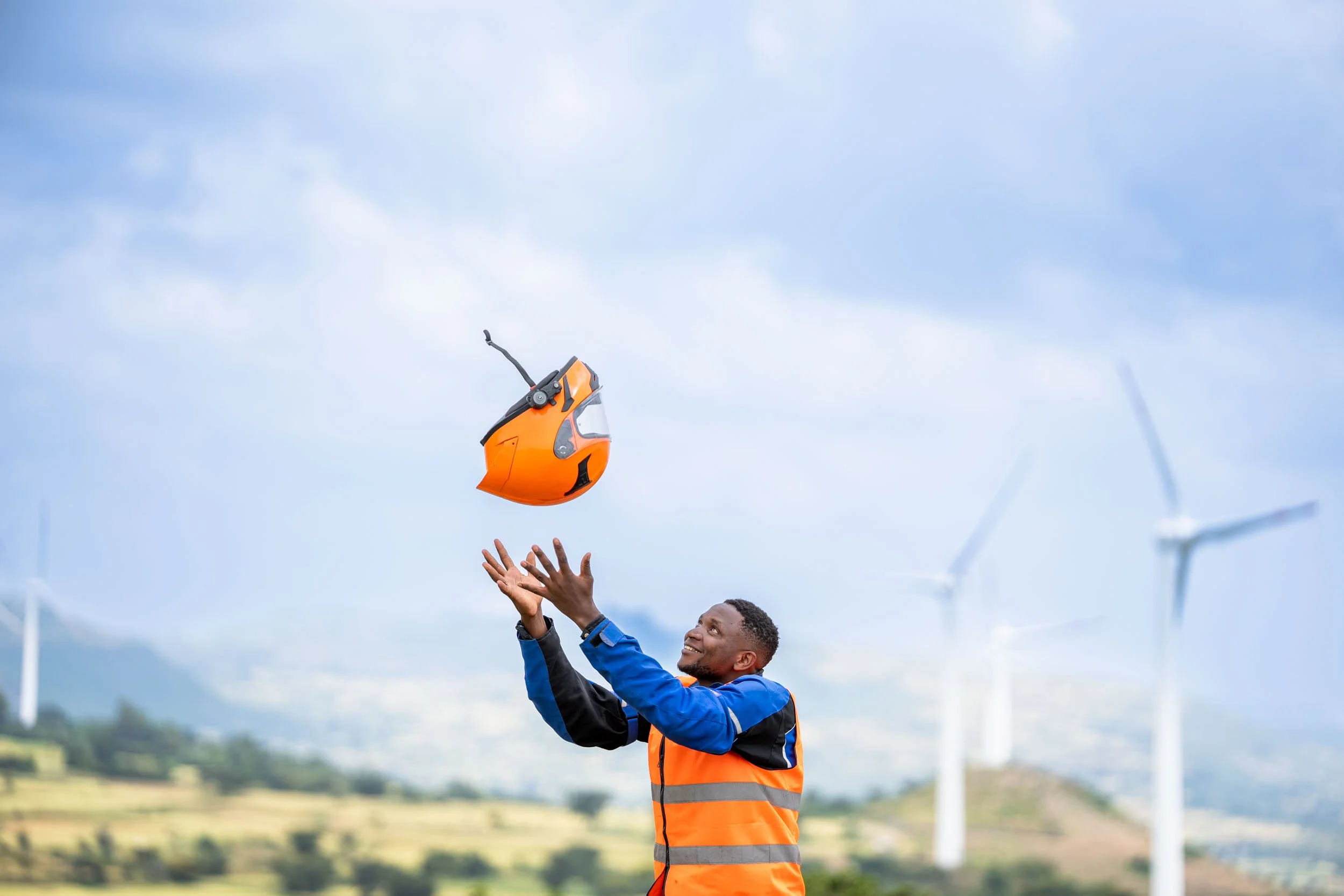
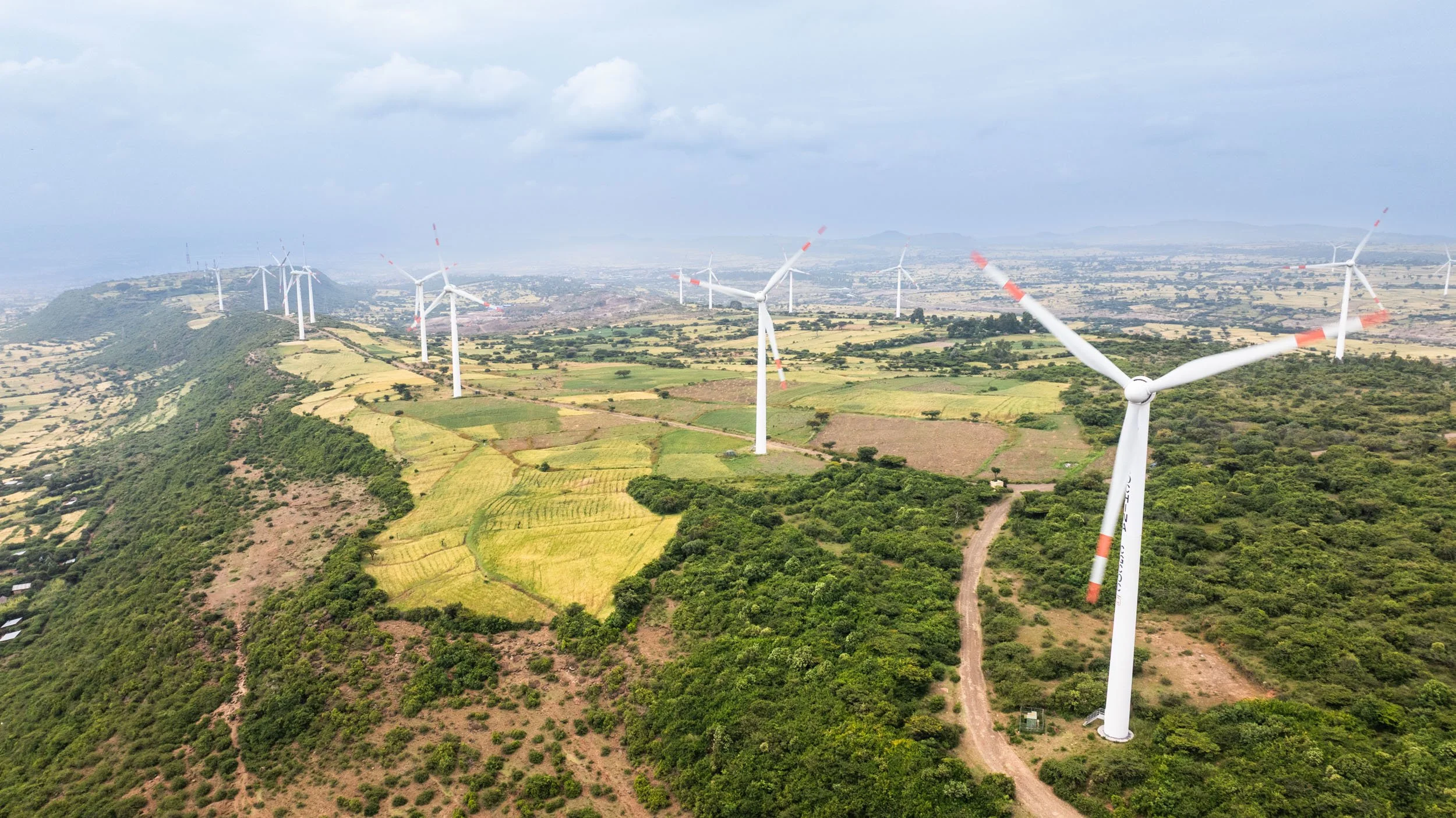
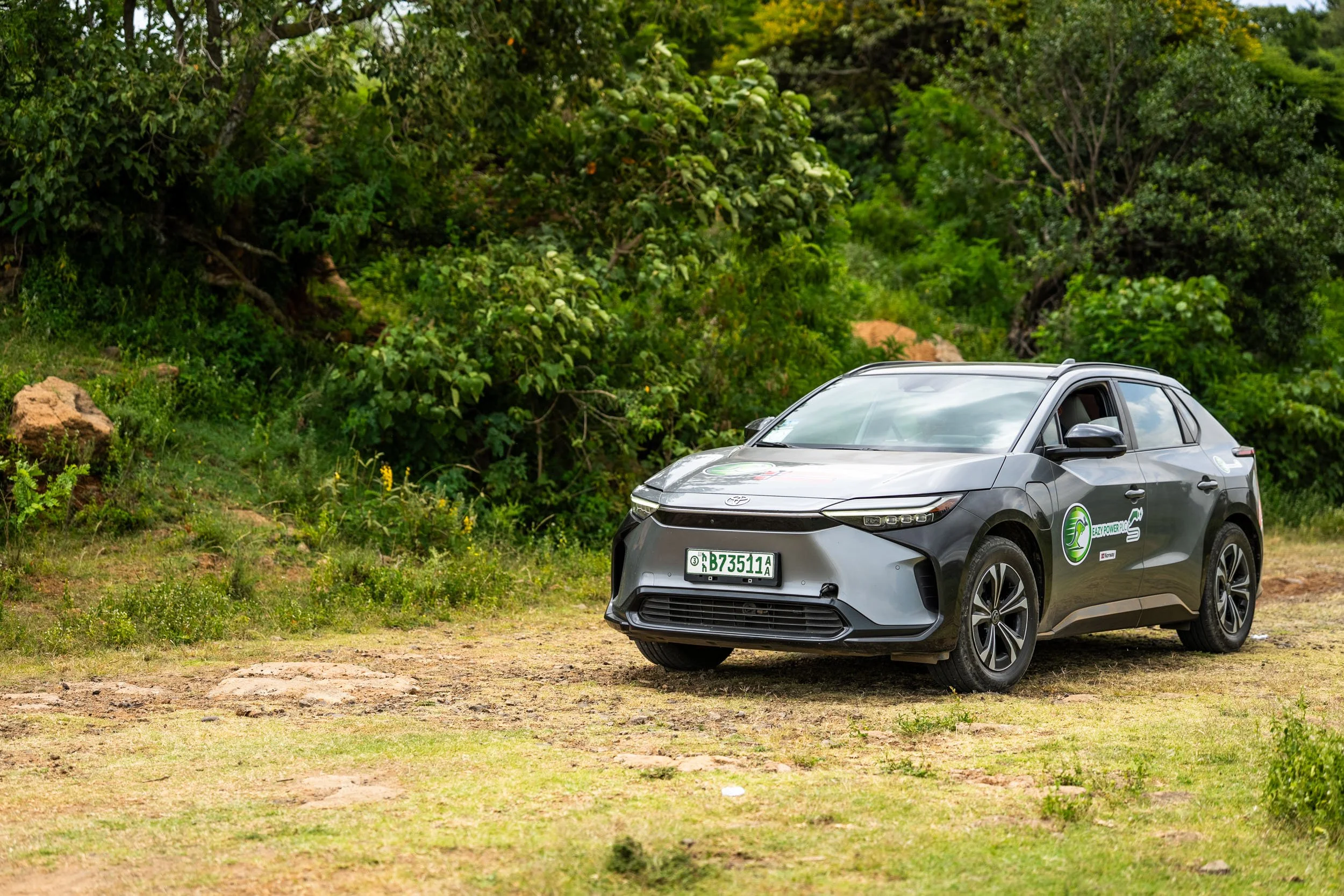
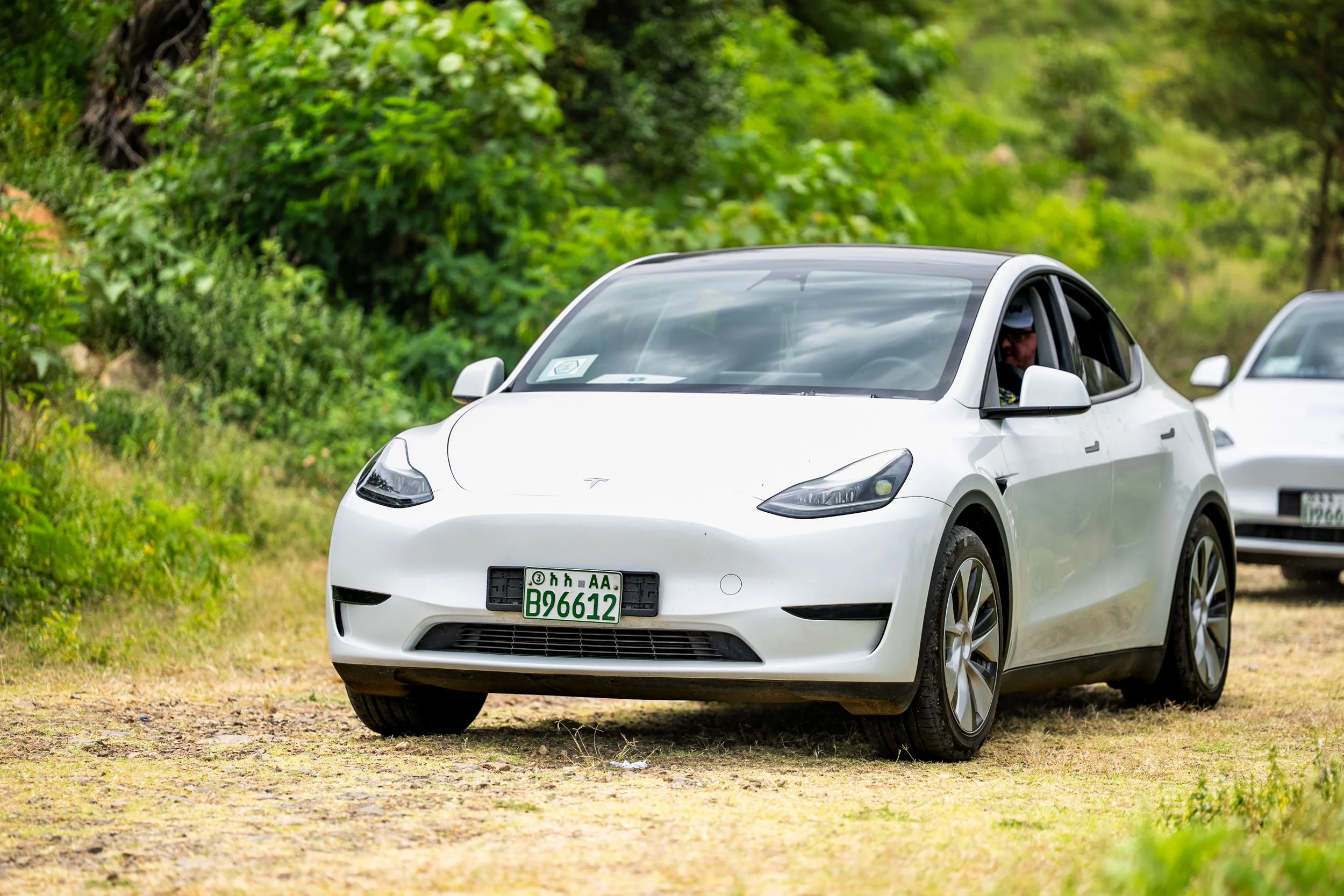
The final day began in Adama with a symbolic gathering at the Adama Wind Farm. Local partners, vehicles from Addis and two Tesla Model Y units from Hyatt Regency joined the Kenyan and Ethiopian convoy in a shared frame of wind power and electric transport.
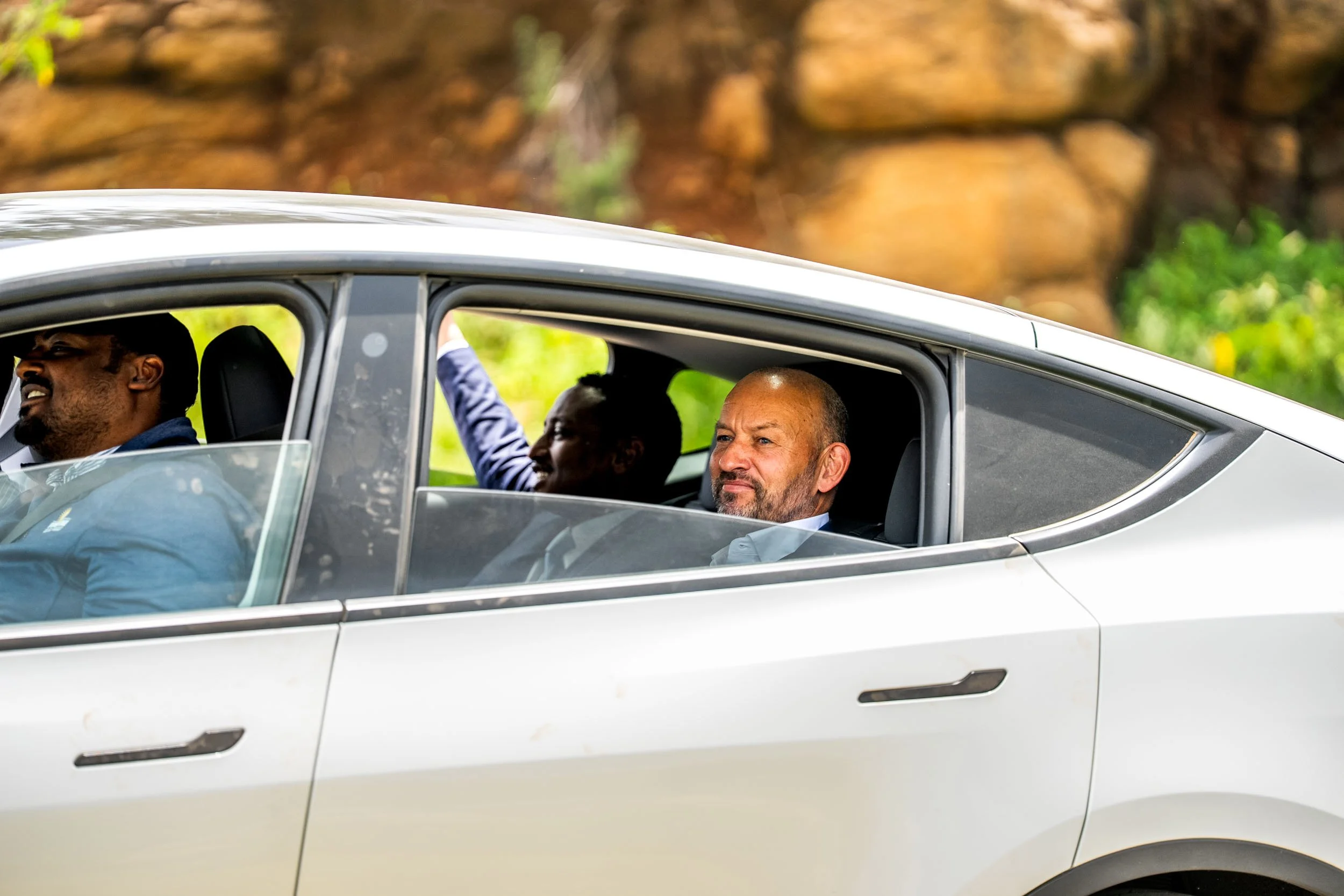
Led by the Ethiopian State Minister for Transport and a broad partner delegation, the expanded convoy drove the last stretch on the Adama–Addis expressway into the capital.
In Addis Ababa, Eazy Power and Hyatt Regency Addis hosted the inauguration of new fast chargers as part of the Road to Addis arrival. At the reception and press conference, remarks from the Ethiopian government, Norwegian Embassy, partners and industry leaders all circled back to the same point: this journey was not theoretical advocacy. It was proof of concept.
“No one remembers when the first combustion engine vehicle crossed between Nairobi and Addis,” as Warren Ondanje MD of Africa E-Mobility Alliance put it, “but we have marked this moment, and it happened all electric.”

What Road to Addis Proved
Road to Addis showed that this corridor is technically feasible for electric mobility with the right partnerships, planning and willingness to improvise. It confirmed that:
Trucks, pickups, motorbikes and utility vehicles can handle the route.
The underlying grid presence in both Kenya and Ethiopia can be tapped and upgraded.
Utilities on both sides are ready to collaborate when engaged.
Communities are curious, not resistant, when they see real vehicles in real conditions.
The main barriers are coordination, infrastructure planning, and investment.
The expedition also mapped where work is needed: standardised charging, clear cross-border protocols, public fast chargers along highways, battery swapping for two wheelers, integrated planning between governments and private operators.
Most importantly, it broke mental distance. It showed that electric mobility in Africa is not confined to urban pilots or luxury segments. It can touch trade, logistics, tourism, and cross-border movement.
Road to Addis is now the reference point and first chapter for Road to Africa, a wider effort to follow and document the continent’s key trade corridors. The route from Nairobi to Addis Ababa will stand as an example and an invitation: if this is possible here, it can be done elsewhere, with more partners, more vehicles, and more ambition.