ABOUT
Africa is entering a pivotal phase in its mobility and trade transformation. The continent’s major corridors carry the weight of AfCFTA’s integration agenda, yet long-distance transport remains overwhelmingly diesel-reliant. Border processes are fragmented, power reliability varies, and the feasibility of electrifying trade routes has not been tested at corridor scale.
Road to Africa responds by positioning itself as a flagship AfCFTA-aligned demonstration, research, and storytelling platform for continental transport. Through real expeditions along active trade corridors, the initiative takes electrification into the real world. It documents road conditions, non-tariff barriers, grid reliability, logistics realities, and infrastructure gaps, generating practical evidence that enables utilities, logistics operators, policymakers, financiers, and innovators to move from ambition to implementation. This approach aligns directly with Africa’s vision for integrated, low-carbon transport and the African Union’s green industrialisation agenda, while producing data that can guide development finance institutions, inform cross-border policy harmonisation, and support digital trade systems such as PAPSS, the Africa Trade Gateway, and continental e-certification initiatives.
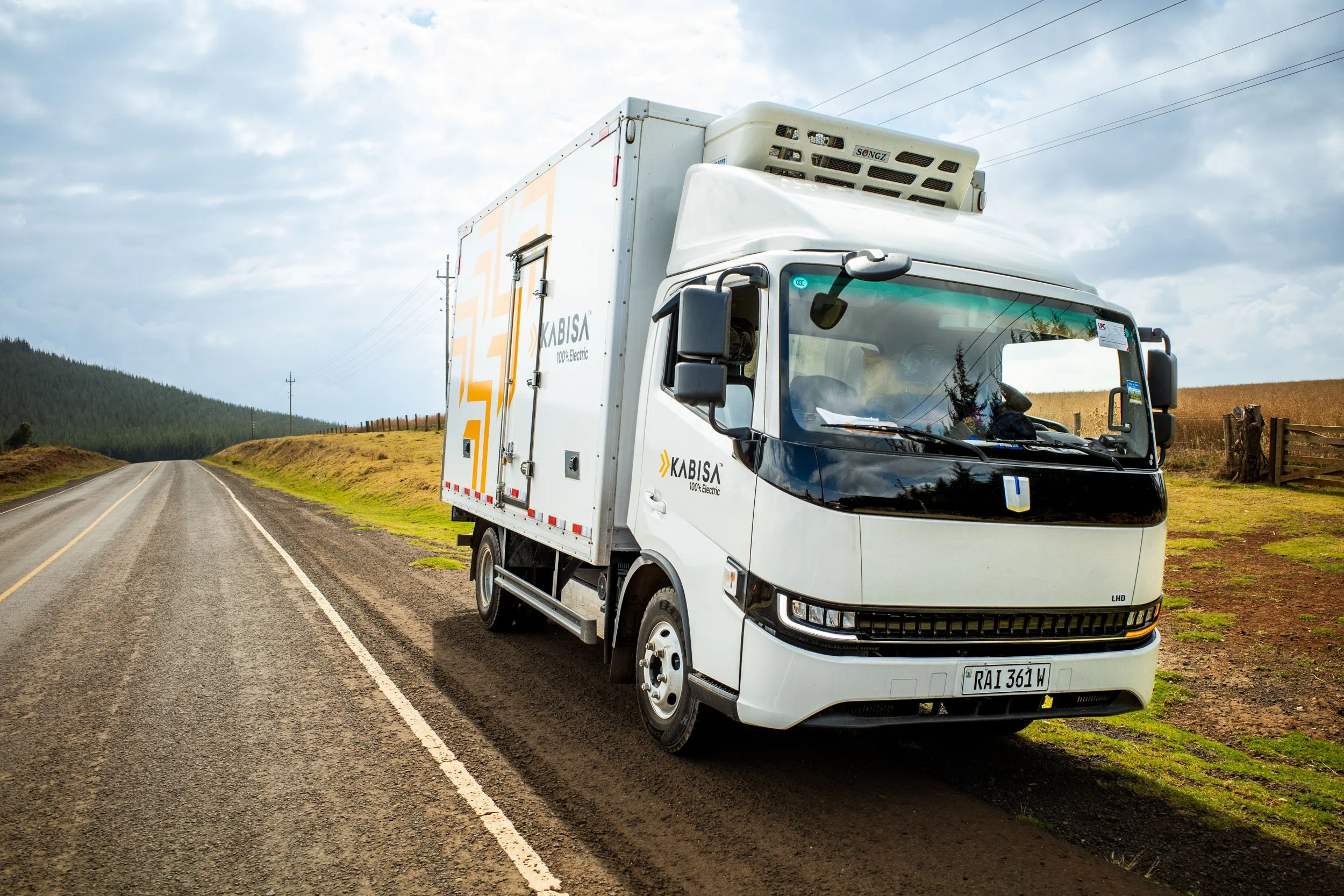
At its core, Road to Africa is a pan-African research and storytelling initiative driving the transition toward electrified trade and transport corridors. It brings together filmmakers, engineers, and innovators to document progress and accelerate collaboration across government, industry, and the private sector. Each expedition functions as both a mobile research lab and a public demonstration platform, translating technical realities into shared understanding. The mission began with Road to Addis, the first fully electric cross-border convoy between Nairobi and Addis Ababa, and now scales into a multi-year continental effort. By 2030, Road to Africa aims to have mapped and supported the electrification of more than 15,000 kilometers of trade routes, turning Africa’s highways into pathways for clean growth, regional integration, and economic resilience.